


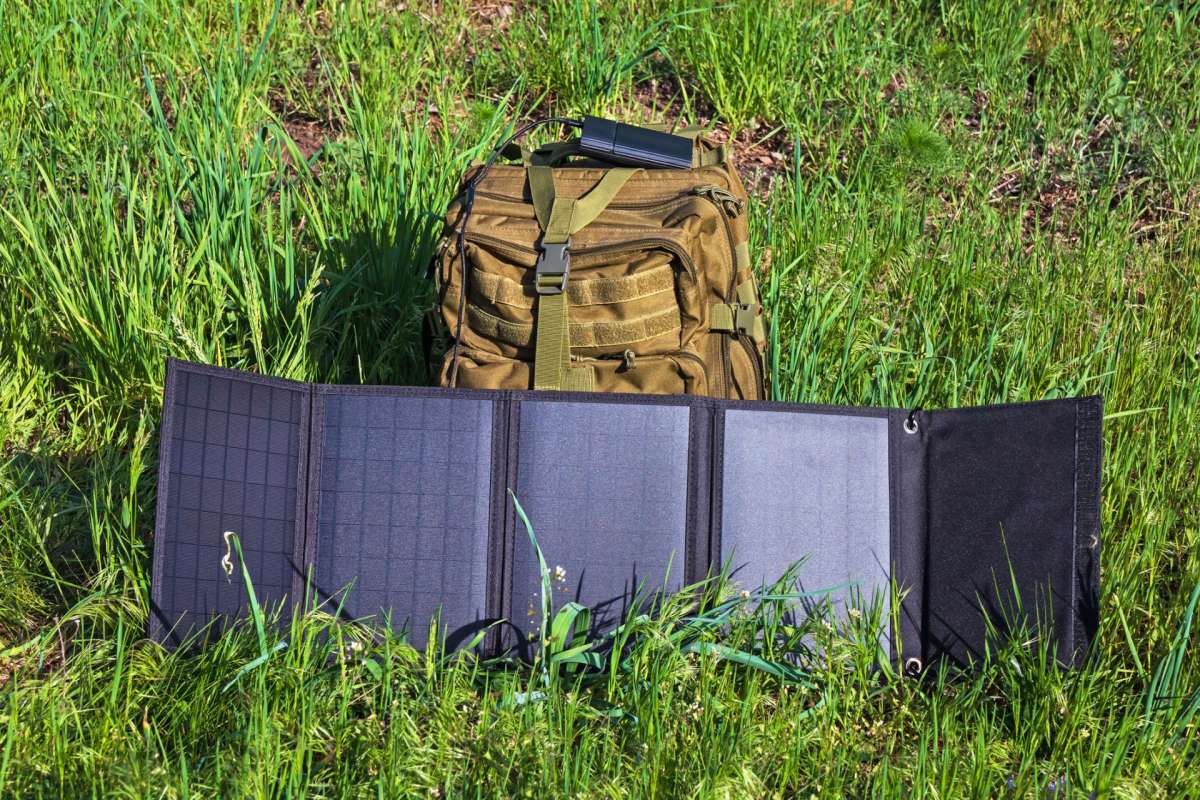
For people who live in tents and rely on public spaces to charge their phones, a portable power source is more than a convenience.
That's why a Reddit user asked the internet what the smartest decision was when it comes to portable solar power banks.
Here's what to know
The poster asked members of the r/Solar subreddit what they should look into when it comes to a reliable portable solar bank when they only have about $50 to work with.
The replies pointed to a simple combination rather than a single gadget: one commenter suggested a 60W foldable panel with a separate 15,000 mAh battery, and the thread also highlighted yard sales, pawn shops, and FB Marketplace as places to look for cheaper used gear.
Another said they recently helped someone in a similar situation buy this 9-watt foldable solar panel from Harbor Freight for $39.99, saying the person who needed it "had really done his research and homework for a month while trying to save up for it."
"It's only 1.5A but still charges a phone in only a few hours of sun," they added.
TCD Picks » Quince Spotlight
💡These best-sellers from Quince deliver affordable, sustainable luxury for all




Overall, they recommended that the decision shouldn't be limited to the cheapest option.
"I'd focus less on getting the cheapest option and more on battery capacity, solar charging efficiency, build quality, and warranty," someone responded.
At this price level, commenters repeatedly leaned toward buying the panel and battery bank separately instead of choosing a low-end all-in-one power station. If one piece stops working, replacing part of the setup could be less expensive, which can matter when money is especially tight.
What can be done?
Taken together, the thread favored a basic setup over larger, more ambitious gear. In practice, that meant a foldable panel and a separate power bank were presented as a better mix of affordability and reliability than pricier "power station" products.
For someone already relying on restaurant outlets or other public places to recharge devices, even a small solar-and-battery setup could cut down on how often they have to hunt down a power source. It would not solve housing instability, but it could make everyday life a bit easier and potentially reduce small recurring costs tied to finding somewhere to plug in.
Where can I learn more?
Questions about solar shopping come up in all kinds of situations, from homeowners trying to make the most of tax credits to Australians planning for blackout backup. The circumstances are very different from a $50 tent setup, but the tradeoffs around cost, reliability, and storage are familiar.
• A homeowner on Reddit learned that up to $9,000 off could still reshape a rooftop solar budget.
• In Australia, a 20kW solar setup made blackouts nearly invisible and even produced bill credits.
• EnergySage shows how comparing home solar prices gets complicated by equipment, labor, and incentives.
They deal with much larger systems, and the basic takeaway matches the Reddit thread: price, storage, and reliability all have to be weighed together.

Get TCD's free newsletters for easy tips, smart advice, and a chance to earn $5,000 toward home upgrades. To see more stories like this one, change your Google preferences here.






