


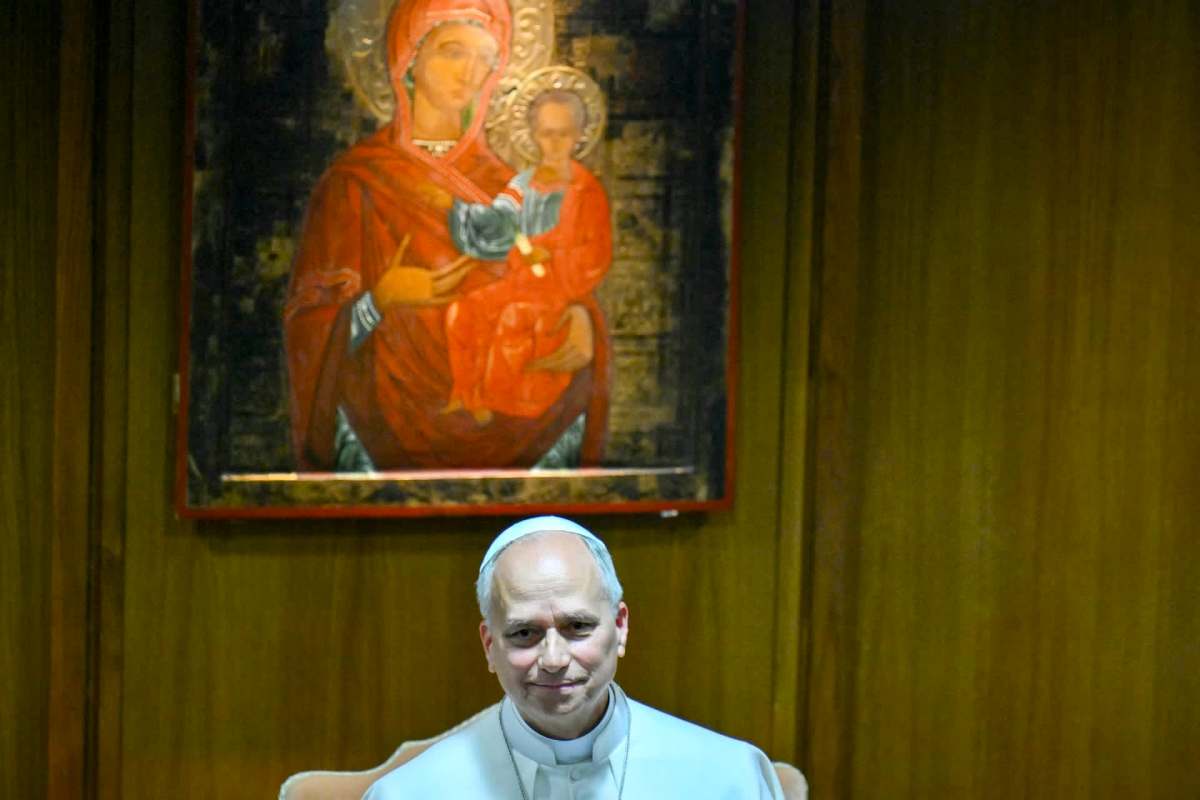
As artificial intelligence becomes more embedded in daily life, Pope Leo XIV is urging people to recognize a clear difference between human-made creativity and machine output.
His message goes beyond a debate over tech policy. It also defends artists, culture, and the communities that give creative work its meaning.
Here's what to know
In comments highlighted by Axios, Leo said the church wants to renew "an alliance with artists and cultural institutions to safeguard our humanity." He framed AI as a question of culture and values as much as technology.
While Leo has said AI can be useful, he has consistently argued that advances in the technology must not undermine human dignity. Here, he applied that concern to the arts, stressing the growing need to separate work created by people from material generated by machines.
The remarks arrive as AI-generated images, music, and writing become increasingly difficult to tell apart from human work. They also came after The New York Times reported that Anthropic had been consulting religious scholars as it worked to bring religious morals into its AI assistant Claude.
More background
This is part of a longer pattern of warnings from Leo about AI. Axios reported that in the first encyclical of his papacy, he said the technology needed to be "disarm[ed]" so it would not end up "dominating humanity."
TCD Picks » Quince Spotlight
💡These best-sellers from Quince deliver affordable, sustainable luxury for all




He has likewise warned about automated systems slipping further into ordinary routines. In another caution, he spoke of a possible "paradise of machines" overtaking daily activities and said warnings from AI researchers should be taken seriously.
Those concerns resemble those expressed by the late Pope Francis, who warned that AI could reduce humans to data points. AI already helps shape what people see online, how students and workers produce content, and how artists protect their livelihoods when software can imitate styles at scale.
What's being done?
In May, Leo created a Vatican AI commission to oversee the church's policy approach and related work on the technology, Axios reported.
His call for partnership with artists and cultural institutions would help keep human creators involved in setting the standards for how new tools are used.
Outside the church, the debate is also spreading across boardrooms, classrooms, and cultural institutions. Companies are seeking ethical guidance.
"In this era of artificial intelligence, it is becoming urgent to distinguish human art from what machines produce," Leo said. "There is an ontological difference, even before an aesthetic one, between art and what a machine can generate through statistical calculation based on millions of images created by others. Algorithms lack the spark of humanity. For this reason, the Church wishes to renew an alliance with artists and cultural institutions to safeguard our humanity."
Where can I learn more?
For more on how Pope Leo XIV and others are trying to define AI's place in human life, these stories look at his broader warnings about the technology.
• At the Vatican, Leo is striking a chord with a message on AI there.
• In Rome, Leo warned priests that the brain needs to be used instead of AI homilies.
• At the UN climate summit, delegates debated AI's role as a positive force for society.

Get TCD's free newsletters for easy tips, smart advice, and a chance to earn $5,000 toward home upgrades. To see more stories like this one, change your Google preferences here.






