


After 31 months of searching and setting more than 10,000 traps, scientists in Australia made a sobering discovery about the elusive pookila: They found just a single mouse, underscoring how rare the tiny native marsupial has become.
What happened?
According to a summary by the researchers published by The Conversation, the native Australian rodent, the pookila — also called the New Holland mouse — weighs less than 0.7 ounces and is about the size of a small chocolate bar. It had previously been recorded at several sites in southeast Queensland, but a focused new search indicates the species may be much rarer than once thought.
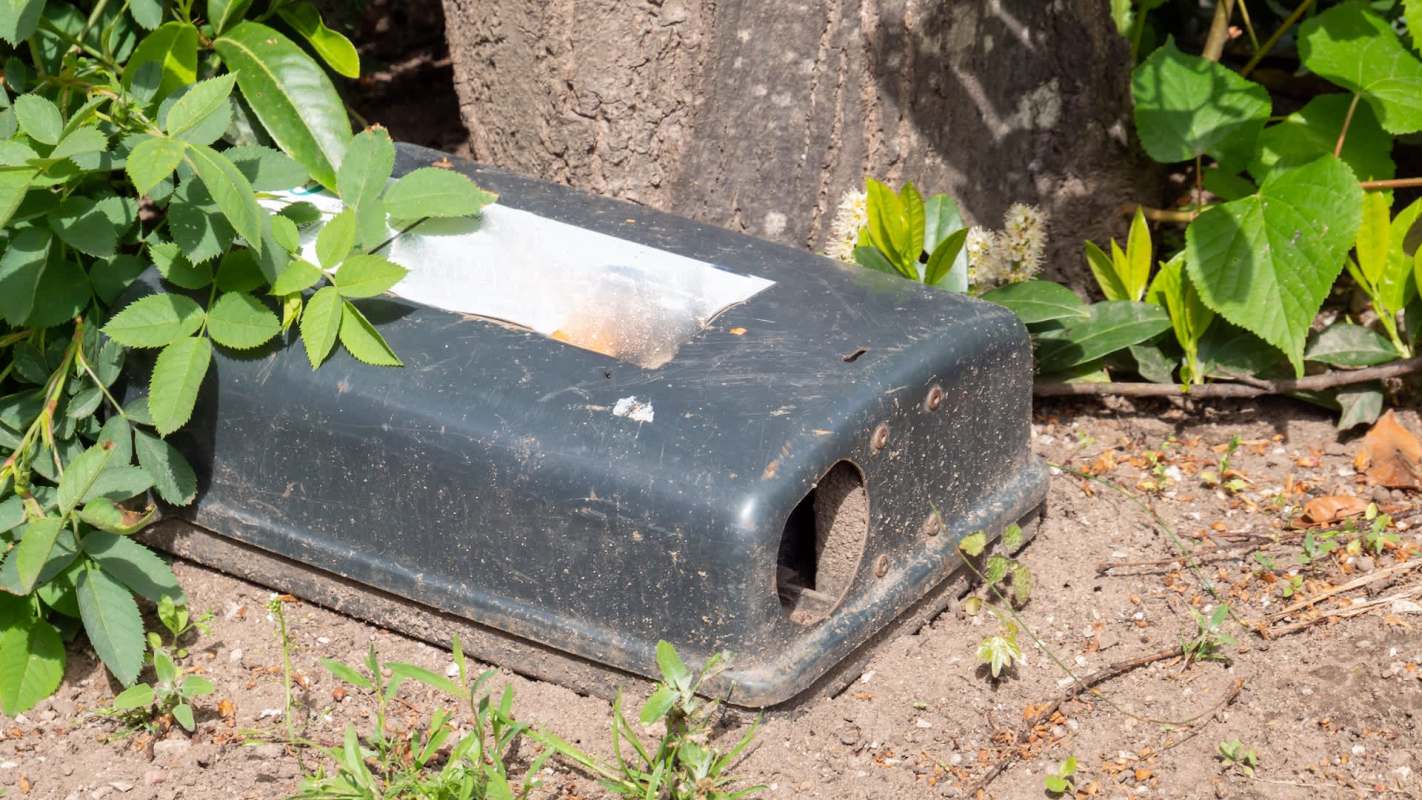
Researchers Meg Edwards and Abby Dennien wrote in the summary that they returned to seven sites west of Brisbane where the mouse had been documented before. Across nearly three years, they conducted repeated overnight surveys with baited box traps to see whether the elusive rodents were still there.
"During that time, we only found and trapped a single pookila," the researchers explained.
Only around 125 pookila captures have been recorded in Queensland since 1996. The species is already facing habitat destruction, climate change, and predators, and populations farther south have experienced declines and local extinctions.
Why does it matter?
By burrowing and foraging, native rodents help aerate soil and spread seeds and fungal spores. The researchers said those roles make them important to healthy ecosystems.
TCD Picks » Quince Spotlight
💡These best-sellers from Quince deliver affordable, sustainable luxury for all




When species such as the pookila decline, the natural systems that support forests, grasslands, and biodiversity more broadly can begin to weaken. Resilient ecosystems also help sustain cleaner air, healthier landscapes, and more stable environments for nearby communities.
The findings also point to growing concerns about how habitat loss and rising temperatures are pushing wildlife into smaller, less secure pockets. In this case, researchers said the pookila may be becoming harder to detect because populations are shrinking, shifting their range, or both.
"This is why continued monitoring is crucial. Resurveying our study sites, and other sites across Queensland, will help us track any trends in pookila population numbers," the researchers said, as reported in The Conversation.
More repeat surveys could clarify whether pookila populations are truly collapsing, moving into new areas, or surviving in habitat scientists still do not fully understand.
That information could help shape practical conservation steps, including planned burns to restore habitat and stronger protection for the shelter these small mammals depend on.
Researchers noted that to help local pookila populations, landholders and conservation groups can also contribute by preserving fallen logs, native grasses, and other protective cover.
Keeping pet cats contained is another practical step, since they are highly effective hunters and containment protects both native wildlife and the cats themselves.
As the researchers wrote, "our results raise serious concerns about the pookila's long-term survival in both Queensland and across the country."

Get TCD's free newsletters for easy tips, smart advice, and a chance to earn $5,000 toward home upgrades. To see more stories like this one, change your Google preferences here.






