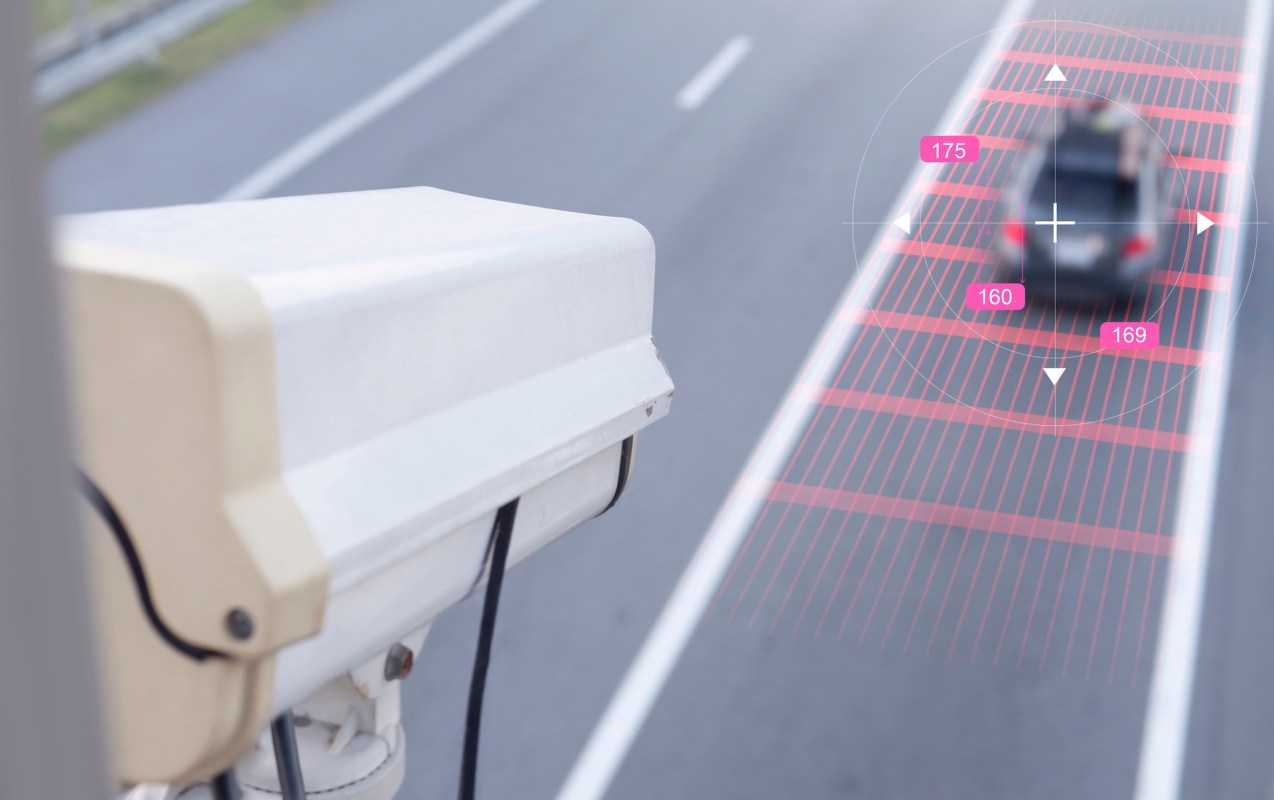
In some communities, money from opioid settlements is going toward surveillance tools powered by artificial intelligence instead of addiction recovery efforts.
A new investigation from Mother Jones has shown that more than a dozen U.S. police agencies have used opioid settlement dollars to buy automated license plate readers. It's a move addiction recovery advocates say takes funds away from saving lives and puts them into tracking residents.
Here's what to know
Mother Jones uncovered a pattern of sheriffs' offices and police departments putting opioid settlement money toward AI-powered license plate readers from Flock and similar companies.
The outlet reported that 19 law enforcement agencies across 10 states spent more than $920,000 in settlement funds on these systems.
Settlement payouts related to the opioid crisis began reaching state and local governments in 2022. Major drugmakers, distributors, and pharmacies agreed to pay more than $50 billion over 18 years to settle lawsuits tied to their role in the addiction epidemic, according to Mother Jones.
The Centers for Disease Control and Prevention have estimated the total of opioid-related overdose deaths from 1999 to 2023 as "approximately 806,000," with that number including prescription and illegal use of the drug. The addiction crisis continues to impact many communities today.
TCD Picks » Quince Spotlight
💡These best-sellers from Quince deliver affordable, sustainable luxury for all




More background
Public health advocates had expected settlement money to support treatment, recovery, prevention, and harm reduction for those impacted by opioid addiction.
The law enforcement agencies involved in using the funds for surveillance cameras, meanwhile, have argued that the technology could be used to spot drug traffickers or cut down on drug-related crime.
Advocates disagree, saying this is a misuse of the funds.
"It's just really not the way to make the most impact in addressing addiction," Robyn Oster, director of policy at the nonprofit Partnership to End Addiction, told Mother Jones. "Whatever funds you're spending on a camera, you're not spending on getting someone into treatment."
The tension over spending is especially sharp in communities where treatment shortages persist.
According to Mother Jones, in Sunnyside, Washington, officials approved $24,000 in opioid settlement funds to go toward a one-year lease of a mobile Flock security trailer, even though the area lacks a medical detox center and has one of the highest overdose death rates in the state.
Beyond police misusing these funds, many communities have been angered by the general use of AI-powered trackers and similar surveillance tools that many find to be an example of government overreach.

Get TCD's free newsletters for easy tips, smart advice, and a chance to earn $5,000 toward home upgrades. To see more stories like this one, change your Google preferences here.