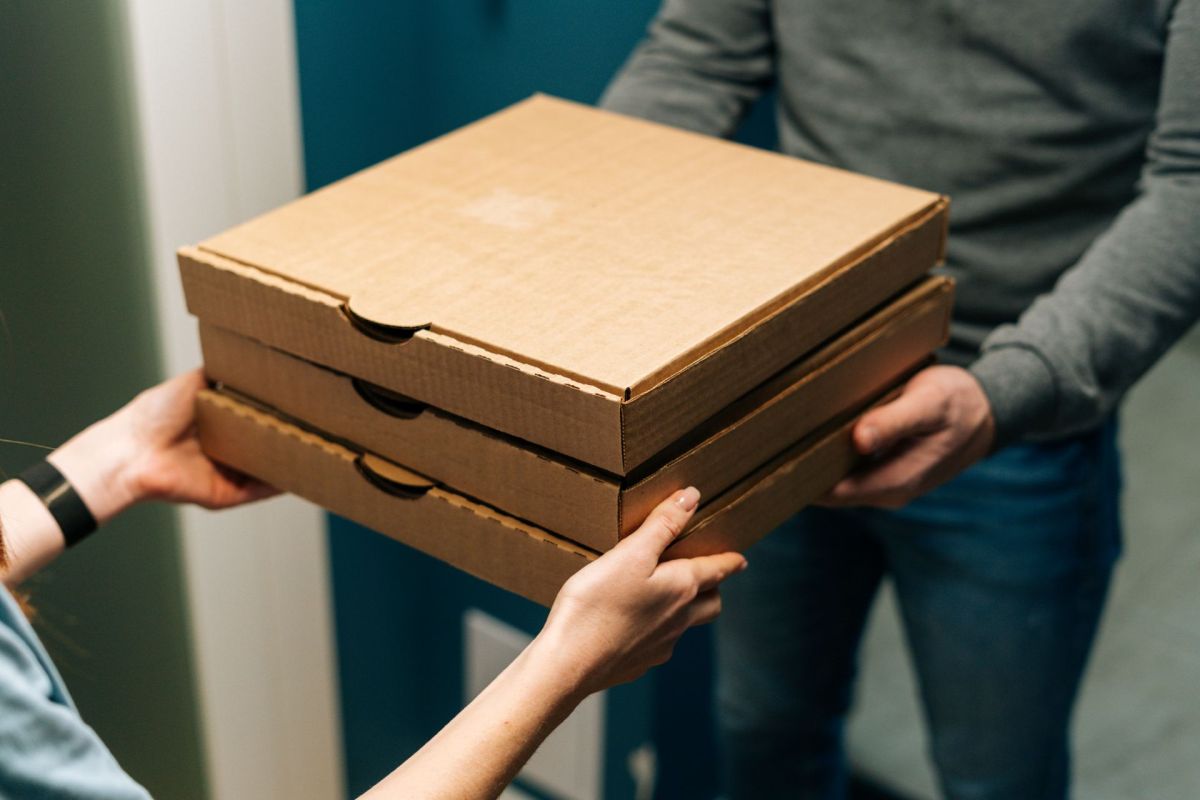
A 23-year-old man is facing prison time after authorities accused him of sending hundreds of cash-on-delivery pizzas to people who never ordered them.
The case is drawing attention for its bizarre scale as well as for the alleged perpetrator's harassment and food waste, not to mention the financial fallout for the restaurants and unsuspecting residents involved.
Here's what to know
Investigators did not determine a motive, as Vice reported. The allegations include stalking, identity fraud, and causing major financial damage to local restaurants, Poland's Central Bureau for Combating Cybercrime said. The charges could bring up to eight years in prison.
Police said the fake orders were concentrated in Szczecin but reached Warsaw, Kraków, and Wrocław. Because the purchases were arranged for payment on delivery, recipients found drivers at their doors seeking money for food they had never requested.
Authorities also described alarming notes attached to the deliveries. According to Vice, they included personal details known only to the recipients or people close to them and explicit threats involving child abduction, arson, and vehicle crashes.
One order was for 300 pizzas, worth about $10,000. Several orders were reportedly declined because they were not feasible.
TCD Picks » Quince Spotlight
💡These best-sellers from Quince deliver affordable, sustainable luxury for all




More background
Food waste is a major concern in daily life. When restaurants prepare large orders that go unclaimed, perfectly edible ingredients, packaging, fuel, and staff hours can all be wasted. Donations can reduce those losses, but only if the food is still considered safe for human consumption and can be redirected quickly.
Bogus pizza delivery cases have surfaced before, but this one may be the most extreme. Similar instances have been reported in Florida and Germany, though the Polish case stands out because of the volume involved, the alleged fraud, and reports that prominent politicians and media figures were listed as fake recipients.
What's being done?
Authorities reportedly raided the suspect's home, seized devices, and pursued charges.
Restaurants can work to verify large or suspicious purchases. Requiring prepayment, confirming orders by phone, and flagging addresses or mismatched customer details can prevent expensive waste before kitchens start cooking.
Delivery platforms and local businesses can also reduce harm by sharing fraud patterns and training staff to spot warning signs, especially for oversized cash-on-delivery orders. Those tools cannot stop every scam, but they can ensure fewer meals are wasted.
"The crimes of identity theft, stalking, or fraud could very well be charged and result in serious consequences," FindLaw previously noted, per Vice.

Get TCD's free newsletters for easy tips, smart advice, and a chance to earn $5,000 toward home upgrades. To see more stories like this one, change your Google preferences here.