


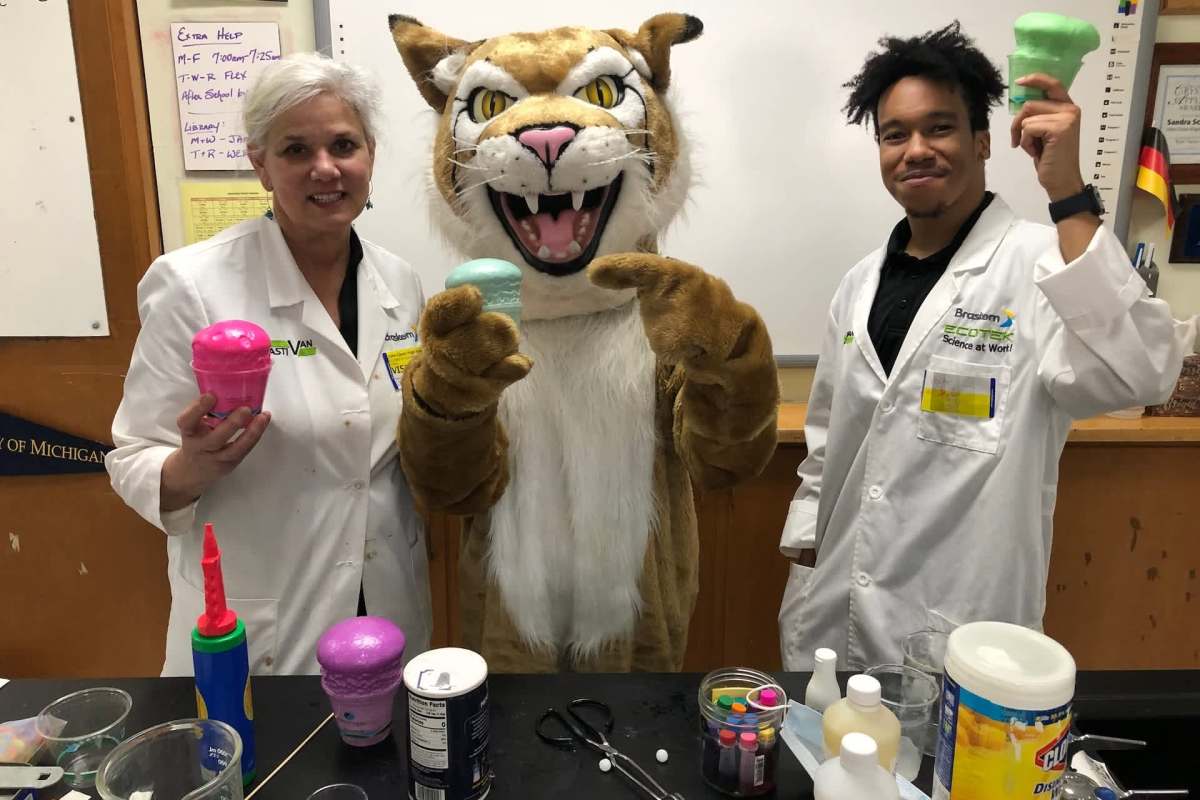
As the school year starts for millions of students across the United States, some of the lessons and handouts they encounter are influenced by the plastics industry.
A new report is uncovering how messages favorable to the plastics industry have been entering U.S. classrooms through worksheets, science exercises, and traveling educational programs.
Here's what to know
The nonprofit Plastic Pollution Coalition released the report, which says plastics industry groups and affiliated organizations have supplied schools with free or low-cost materials that portray plastics as essential to everyday life while minimizing their associated environmental and health risks.
Among the groups named are the Society of Plastics Engineers, now a division of the Plastics Industry Association, and the American Association of Chemistry Teachers, which Grist described as a Dow Chemical Company initiative.
In one lesson plan, students are asked to do a "plastic scavenger hunt," and another tells children to "pretend [they] are an employee for Dow Chemical Company" designing a grocery bag, per Grist.
"When that information is provided to kids, it obfuscates the true impacts of plastic pollution," Madison Dennis told Grist, which identified Dennis as Plastic Pollution Coalition's senior policy and advocacy manager and a main author of the report.
TCD Picks » Quince Spotlight
💡These best-sellers from Quince deliver affordable, sustainable luxury for all




The report says those impacts include damage to marine life, exposure to hazardous chemicals, storm-drain blockages that can worsen flooding, and greenhouse gas emissions.
It also disputes the industry's longstanding argument that recycling can resolve the problems associated with plastic. Right now, only 9% of plastics are recycled worldwide, and, as Grist reported, scientists have repeatedly said recycling cannot keep up with the increasing rate of plastic production.
More background
The report says these kinds of classroom outreach efforts have been around since at least the 2000s.
The problem is especially acute in communities near petrochemical facilities. In Beaver County, Pennsylvania, for example, the report says Shell has spent millions on plastics-related curriculum and recycling programs, while simultaneously poisoning the community as a "high priority violator" of pollution regulations.
The Plastic Pollution Coalition report says school boards should adopt policies that restrict the use of educational materials backed by the plastics, chemical, and fossil fuel industries.
But in general, schools also need better funding so that teachers are less dependent on free classroom materials from companies with a financial interest in spreading misleading messages.
Where can I learn more?
The following articles dig further into the same dynamics: plastics companies shaping how people understand pollution, major brands driving waste, and fossil fuel interests promoting their products despite growing environmental concerns. They also help situate the classroom materials described above within a broader campaign to normalize polluting industries and shift responsibility onto consumers.
• Through PlastiVan, the plastics industry has pushed lessons into classrooms for more than 132,000 students.
• Just 60 companies now account for half the world's plastic pollution, undercutting personal-responsibility messaging.
• Oil companies are attracting fresh capital as fossil fuels take center stage despite climate warnings.
The pattern extends well beyond any single worksheet or school program. The materials highlighted in the report are one piece of a larger fight over how the public understands plastic pollution, fossil fuels, and who should be held responsible.

Get TCD's free newsletters for easy tips, smart advice, and a chance to earn $5,000 toward home upgrades. To see more stories like this one, change your Google preferences here.






