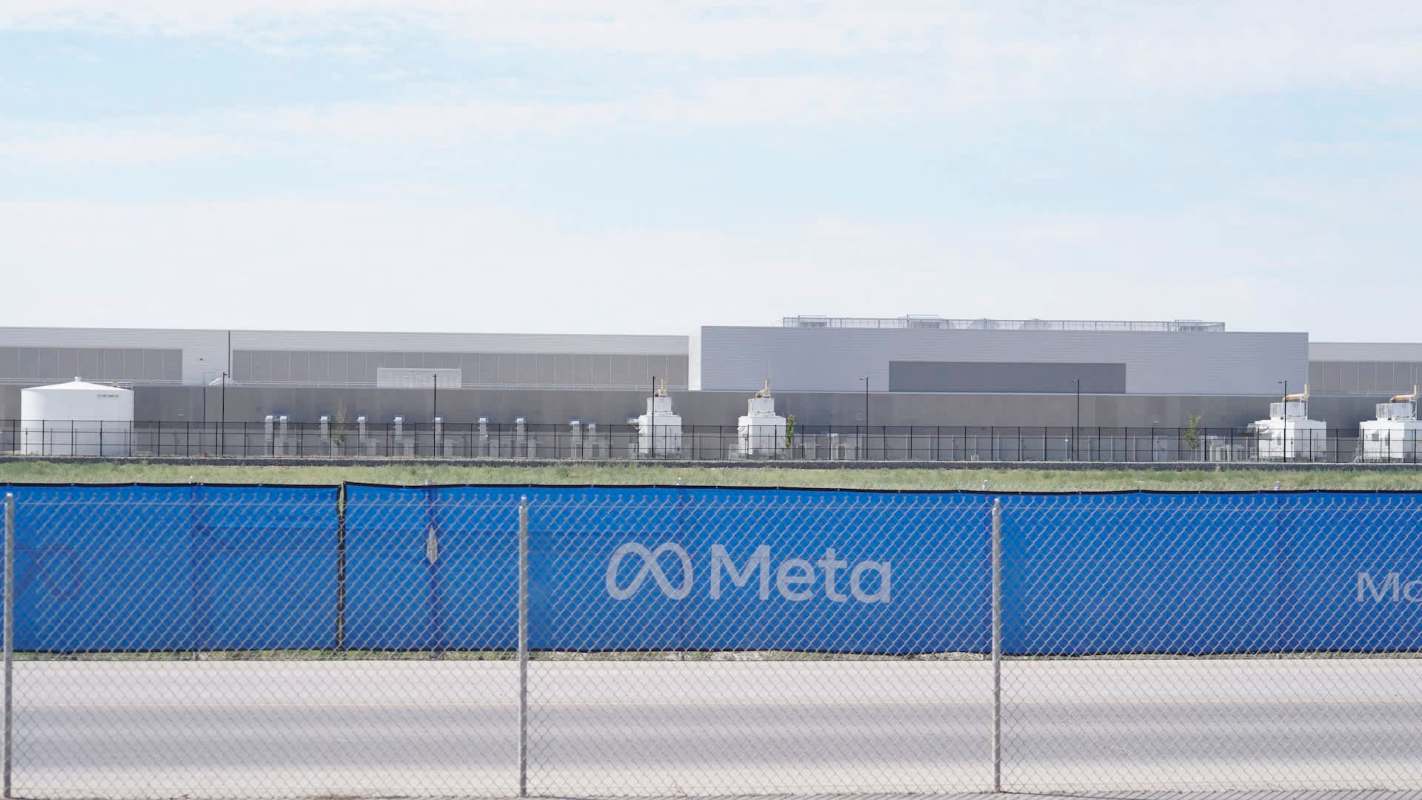
Piqua, Ohio, approved a 30-year power arrangement for a planned Meta data center, but not before residents spent hours warning officials that the community could be giving up too much for too little in return.
Here's what to know
On a roughly 607-acre site held by J5 LLC — which officials described as a business entity used by Meta — the planned data center would receive long-term electricity from AES Ohio under a 30-year deal the Piqua City Commission approved, as Dayton Daily News reported.
The final version is shorter than first proposed: commissioners reduced the term to 30 years from 40, required AES to pay Piqua $1 million annually, and gave the city the right to walk away if that payment stops. Separately, after talks about police, fire, and EMS needs, Meta pledged $8 million for public safety staffing and equipment.
Those concessions did not satisfy many residents, who argued the city still had room to demand better terms. Among them was Alexander Hessler, who asked officials to stop and reopen talks, saying, "Now the cat's out of the bag. Let's negotiate with Meta."
More background
According to city officials, Piqua's own electric utility can handle the construction phase but not the data center's ongoing power demand. That is why the plan calls for city power during construction, with AES later taking over the permanent service and the associated infrastructure.
Any infrastructure work needed on the AES side would be paid for by the project itself, Piqua Power System Director R.J. Monnier said, according to the Dayton Daily News. "We're not subsidizing this data center in any way," he said.
TCD Picks » Quince Spotlight
💡These best-sellers from Quince deliver affordable, sustainable luxury for all




Residents also focused on what protections were missing. Some said the $1 million annual payment should not remain flat if inflation rises or the data center grows, while others worried that power rates, water demand, or future expansion could eventually impose burdens on regular households.
What's being done?
Officials point to several changes already made to the agreement, including trimming 10 years off the original term, adding the annual franchise fee, and giving the city an exit if AES fails to make that payment, according to the Dayton Daily News.
City leaders are likewise framing Meta's $8 million pledge as money for concrete local needs. Officials said the funds could help pay for a ladder truck, a fire engine, a medic unit, police vehicles, staffing, and training facilities.
Opposition has not faded. Save Piqua said it turned in more than 1,250 signatures on Aug. 11 for a proposed charter amendment that would ban data centers, and commissioners on Aug. 18 took steps toward placing it before voters on Nov. 3, pending Board of Elections approval.
Resident Jonathan Wessel said, "I think it proves that we did not negotiate as aggressively as we should have."
Where can I learn more?
What is happening in Piqua is part of a fight playing out in Ohio and elsewhere, as local governments weigh data centers' promised economic benefits against concerns about homes, utilities, and public costs. For many cities and townships, the real question is how much leverage they actually have before a project starts moving.
• In Massillon, Ohio, officials moved to keep data centers farther from homes through zoning changes.
• Across Ohio, townships began to slam the brakes on data centers as local scrutiny intensified.
• In Festus, Missouri, the council approved a $6 billion data center despite heavy resident opposition.
Those stories help explain why residents in Piqua are pushing for stronger terms before the city locks in a commitment that could shape local services for decades. They also show how quickly questions about zoning, power, water, and public safety can take over the debate around AI-era development.

Get TCD's free newsletters for easy tips, smart advice, and a chance to earn $5,000 toward home upgrades. To see more stories like this one, change your Google preferences here.