


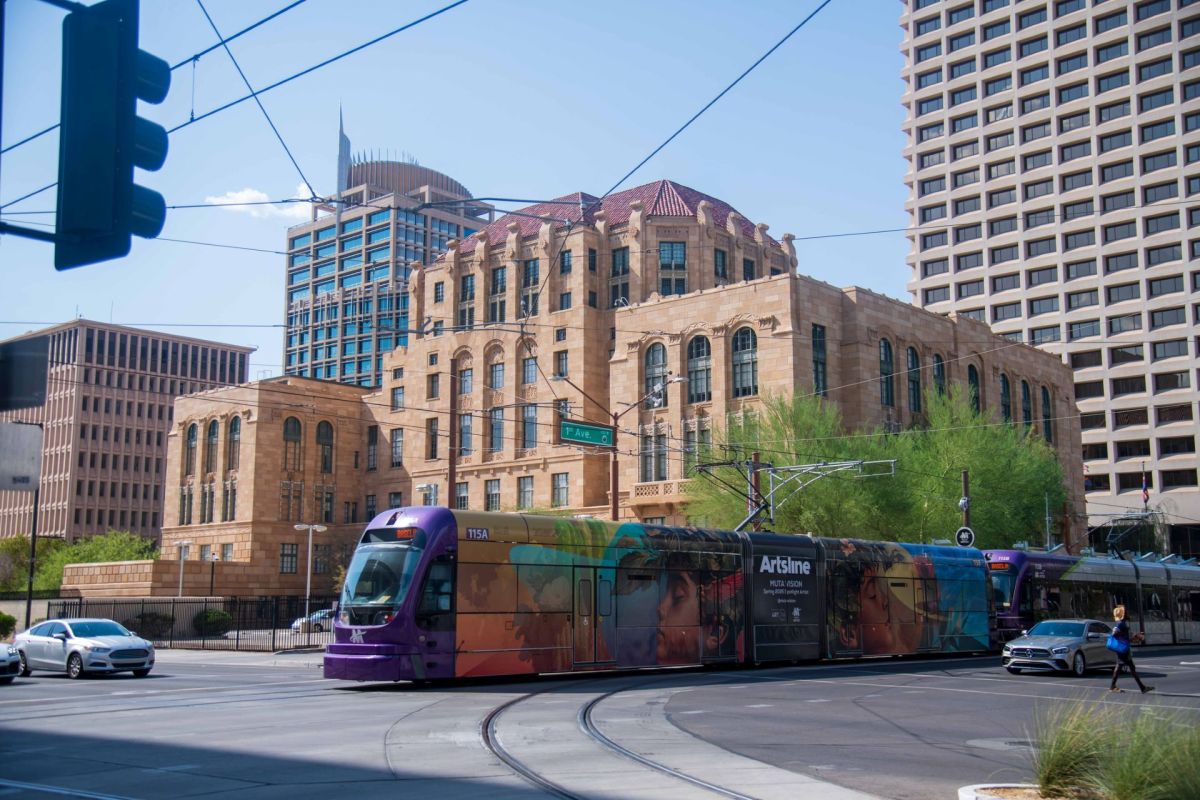
Phoenix is looking to turn one of its greatest climate vulnerabilities into a long-term advantage through its new five-year, $60 million Shade Phoenix Plan.
The initiative aims to add 27,000 trees and 550 shade structures to cool streets, protect residents, and reduce billions of dollars in future costs.
Here's what to know
As KJZZ reported in a radio segment, Smart Surfaces Coalition founder and CEO Greg Kats helped shape the strategy and has argued that Phoenix could serve as an example of climate adaptation rather than a warning.
Much of the work is directed toward lower-income neighborhoods, where sparse tree canopy and limited shade intensify already dangerous heat.
In Kats' view, planting trees should be only one part of a larger system that also includes streets, roofs, parking lots, and stormwater infrastructure in the city's effort to fight heat. He used the term "smart surfaces" for solutions that are "reflective, porous and green."
That approach is especially relevant in Phoenix, where dark, heat-absorbing infrastructure can drive temperatures dramatically higher. Kats told the station that asphalt on roads and in parking lots absorbs about 90% of sunlight and can reach 160 degrees during Phoenix afternoons, creating conditions so hot that falls can cause serious burns.
TCD Picks » Quince Spotlight
💡These best-sellers from Quince deliver affordable, sustainable luxury for all




He also stressed that the city's heat burden is distributed unevenly.
"Low-income neighborhoods, minority neighborhoods tend to be 10, 12 degrees hotter," Kats noted to KJZZ.
More background
Phoenix faces a particularly difficult mix of risks. It is already one of the hottest major cities in the country, and extreme heat combined with limited shade, expansive pavement, and heavy cooling demand creates both public health and economic strain.
Kats told the outlet that a broader smart-surface approach across Phoenix could lower city temperatures by roughly 2.7 degrees overall and by up to 4.6 degrees in low-income neighborhoods.
He also said this kind of strategy could trim power bills by about $2.1 billion over three decades, or roughly $6,000 for each household.
KJZZ reported that officials believe combining trees with reflective roofs and road surfaces, along with green stormwater infrastructure, could save Phoenix about $3 billion in the decades ahead.
Kats pointed to benefits including lower air pollution and fewer respiratory impacts, especially for children and older adults, along with reduced 911 and 311 calls and support for tourism.
What's being done?
The Shade Phoenix Plan starts from the premise that no single fix will cool the city on its own.
Trees and shade structures can help cool sidewalks, bus stops, and other places where people walk, work, and wait. Reflective roofs can reduce indoor cooling demand, while lighter-colored roads and parking lots can cut heat buildup and may even reduce wear caused by expansion and contraction.
Porous surfaces are another part of the strategy. Kats told KJZZ that when rainwater is allowed to soak into the ground instead of running off, it can help support trees with less additional watering.
He added that cities can update building codes for new roofs, noting that "there are products out there that are more reflective and they don't cost any more."
"The world's getting hotter, we're going to not only not get hotter, we're going to get cooler," he concluded to the station.
Where can I learn more?
Phoenix's plan is part of a push to make hotter cities more livable with added tree cover and cooler, greener surfaces.
• Across heat-stressed cities, planting more trees could cut dangerous urban heat roughly in half.
• In New York City, officials have said 30% of the city will be under tree canopy before 2040.
• Cities are converting old lots into dense pocket forests that fit hundreds of trees.
• In the Netherlands, Stefano Boeri's vertical forest tower will house residents beside 10,000 plants.
What Phoenix is doing is one version of a global urban adaptation effort. Across cities, cooler streets are shaping basic design choices of what gets planted and what materials are used to build roads and public spaces.

Get TCD's free newsletters for easy tips, smart advice, and a chance to earn $5,000 toward home upgrades. To see more stories like this one, change your Google preferences here.






