


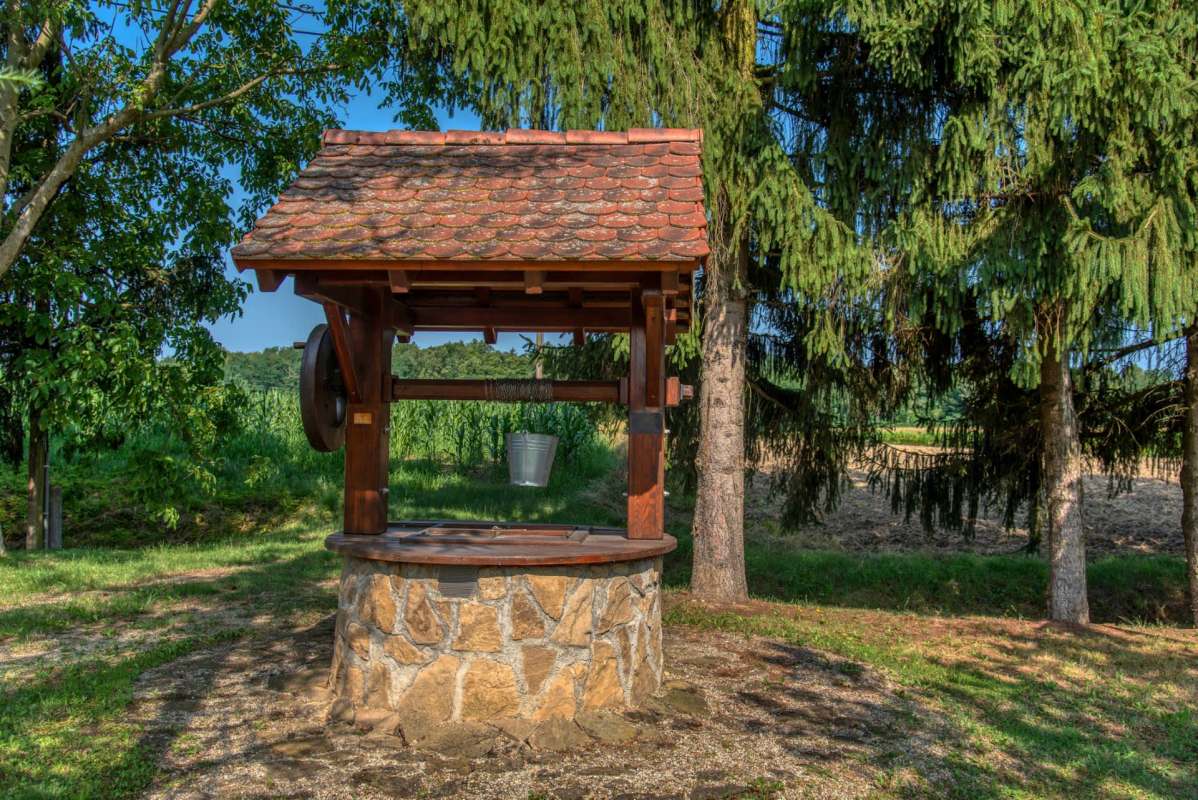
PFAS contamination in private wells has changed basic routines in Stella, Wisconsin. Many families no longer use their kitchen faucets after years of pollution concerns, depending instead on bottled water and filters while still asking how the situation was allowed to unfold.
What happened?
According to Barn Raiser, the rural Oneida County community around Stella has dealt for years with some of the highest PFAS levels recorded in private wells. Investigators eventually connected the problem to decades of sludge spread on farmland near Stella, a method that had long been promoted as practical and inexpensive.
After the Wisconsin Department of Natural Resources started sampling wells in 2022, it tested 241 wells within 3 miles of Stella. PFAS was detected in 127 of them, and 88 were above Wisconsin drinking water standards. In some cases, PFOA and PFOS levels exceeded 35,000 parts per trillion.
William Casey Crump, chairperson of the Stella town board, recalled the shock of those early meetings with state officials: "At that time, there were a whole lot of unknowns, and one of the biggest concerns was what do we do?"
Barn Raiser reported that state investigators ultimately identified decades of land-spread sludge as the source of the contamination, including municipal sewage sludge and material tied to the nearby Rhinelander paper mill.
Why does it matter?
PFAS are often referred to as "forever chemicals" because they are extremely difficult to break down, and, as Barn Raiser reported, exposure has been linked to health concerns such as kidney and testicular cancer, thyroid problems, immune dysfunction, pregnancy complications, and elevated cholesterol.
TCD Picks » Quince Spotlight
💡These best-sellers from Quince deliver affordable, sustainable luxury for all




Nearly everyone in the area relies on private wells. As Barn Raiser noted, private wells are not overseen the same way as public drinking water systems, so homeowners often have to cover testing and treatment costs themselves.
The contamination has not remained limited to household taps. PFAS has also been found in nearby surface waters, as well as in fish and deer tissue, raising concerns about gardening, recreation, and local food production.
What's being done?
The DNR has expanded testing in Stella and surrounding areas, while bottled water and treatment support have been offered to some affected households. Those measures are temporary, and filtration systems carry installation and maintenance costs.
In 2025, Wisconsin enacted PFAS-related laws that set aside $133 million for testing and remediation, Barn Raiser reported, including funding that could expand the Well Compensation Grant Program. Gov. Tony Evers said the package would provide "real relief to families and communities tackling the pressing threat of PFAS in local wells, municipal water systems and more."
Critics say those steps still fall short because Wisconsin has not fully banned land application of sludge. For stronger prevention, advocates have looked to Maine, which prohibited the practice after confronting its own PFAS crisis.
"Now, when people turn on their faucet, if they haven't had their water tested, they wonder what's in there," Crump said.
Resident Tom LaDue added: "It's the long-term effect that I'm concerned about."

Get TCD's free newsletters for easy tips, smart advice, and a chance to earn $5,000 toward home upgrades. To see more stories like this one, change your Google preferences here.






