


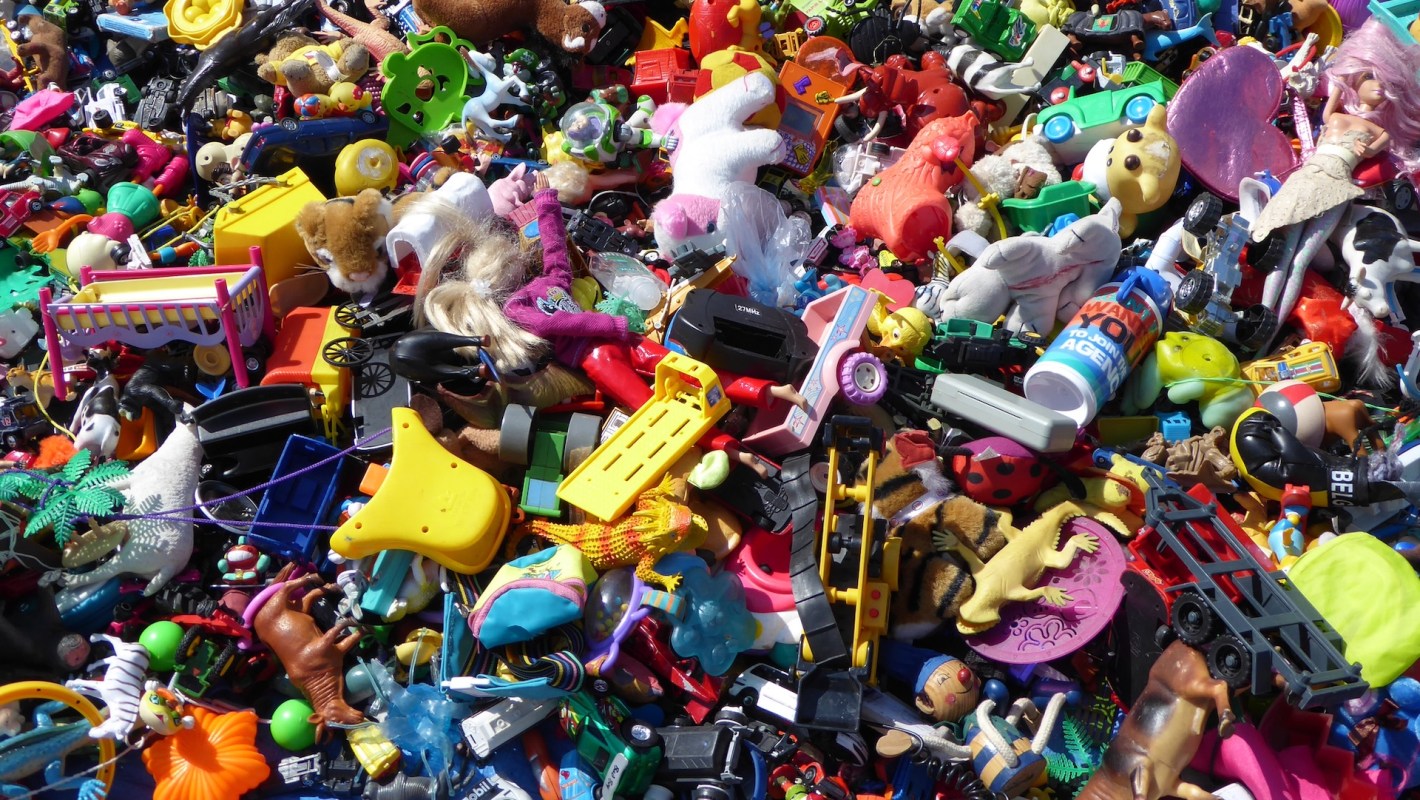
Massachusetts legislators are pursuing broad restrictions on PFAS, the toxic "forever chemicals" found in common goods such as cookware and children's products.
The proposals are intended to limit new pollution and to help communities already coping with contaminated soil and water.
What's happening?
WBUR reported that the legislation moving through the House and Senate would create a fund for contamination in groundwater, soil, and sediment, while helping public water systems and private well owners cover treatment costs. It would also ban PFAS in many consumer products, including cookware, carpets, car seats, makeup, menstrual products, and children's toys.
Laurel Schaider, a senior scientist at the Silent Spring Institute, told WBUR, "The evidence is overwhelming that these are harmful chemicals."
According to WBUR, over a dozen states have banned PFAS chemicals in certain products.
Why does it matter?
As products that contain PFAS wear down, the chemicals can wash off or flake away into landfills, soil, and waterways, and eventually end up in people's bodies.
TCD Picks » Quince Spotlight
💡These best-sellers from Quince deliver affordable, sustainable luxury for all




WBUR reported that a 2022 National Academies report found "sufficient evidence" linking PFAS exposure to kidney cancer, weaker immune response, higher cholesterol, and slower infant and fetal growth.
Children, pregnant people, and communities already dealing with contaminated wells or costly water treatment upgrades may be especially affected.
The contamination can also put financial pressure on communities that have to pay for treatment systems or deal with polluted land and water.
At the same time, some business groups have said a broad ban may be hard to put into practice. Bill Rennie of the Retailers Association of Massachusetts told WBUR, "The hope is that whatever we do here is thoughtful, and planned with a long implementation date."
What's being done?
The bills sought to address concerns from manufacturers by offering long timelines and narrow exemptions. The Senate version would phase in by 2032; the House version by 2038. Businesses could apply for exemptions for essential products, such as medical devices, when no safer alternatives are available.
Supporters have said that the approach would reduce harm while giving companies time to adjust. Deirdre Cummings of MASSPIRG said PFAS-free options are becoming cheaper as more states take action, adding, "We're not going to be doing anything other states haven't done."
States including Minnesota and Maine have already adopted similar PFAS limits for various consumer products, WBUR noted.
Sen. Julian Cyr cast the issue as one of Massachusetts failing to be proactive: "If we don't take action here, Massachusetts will just further fall behind in protecting public health and our environment."

Get TCD's free newsletters for easy tips, smart advice, and a chance to earn $5,000 toward home upgrades. To see more stories like this one, change your Google preferences here.






