


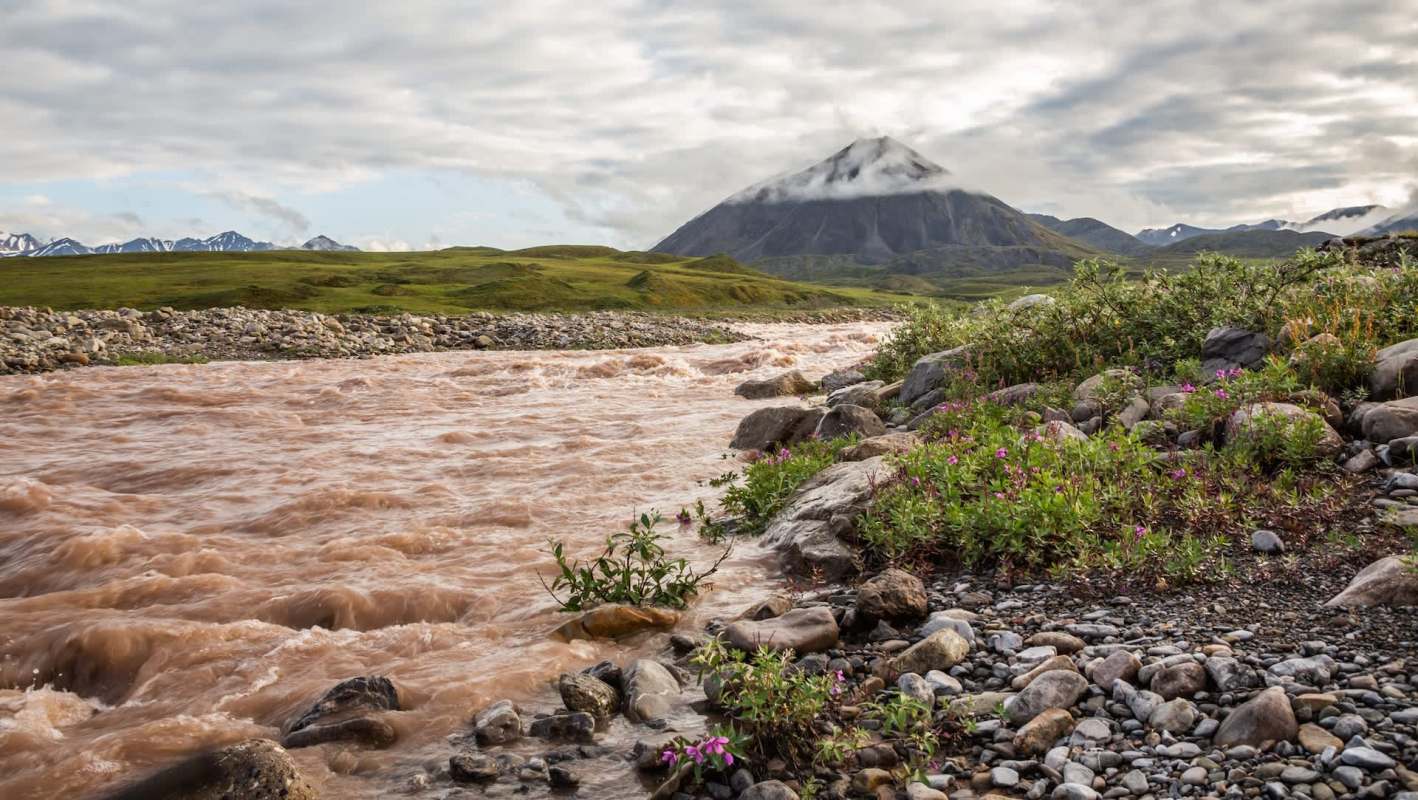
Arctic streams stained bright orange are drawing attention for a troubling reason. Scientists say the "rusting" is not a fluke, but a warning sign that rising global temperatures are thawing long-frozen ground and releasing metals into waterways.
In Alaska's Brooks Range, researchers found that permafrost thaw is transforming once-clear rivers in ways that could threaten fish, food systems, and communities downstream, reported Muser Press.
What happened?
A study in Communications Earth & Environment found that thawing permafrost is responsible for the orange discoloration seen in rivers and streams across northern Alaska.
The researchers identified two routes by which rising temperatures and the thawing of ancient frozen soil are bringing iron into these waterways.
One starts at higher elevations, where thaw is exposing pyrite-rich rock to air and water, setting off acid rock drainage, a type of pollution more often associated with mining.
The other is unfolding in lower-elevation wetlands, where thaw is expanding waterlogged, low-oxygen soils.
TCD Picks » Quince Spotlight
💡These best-sellers from Quince deliver affordable, sustainable luxury for all




Under those conditions, microbes produce dissolved iron that later oxidizes in streams, turning the water rusty orange.
Waterways and streambeds appear coated in orange sediment, a change one researcher said initially looked "like sewage" when it was spotted during fieldwork in 2019.
The research team then linked those scenes to underground temperature records and stream chemistry, showing that thawing soil is driving the contamination.
Why does it matter?
Researchers said fine iron particles may remain suspended in the water for more than 100 kilometers, reducing clarity, coating algae, disrupting insect populations, and clogging fish gills.
That puts pressure on entire food webs, including salmon that depend on clean gravel beds and healthy aquatic ecosystems.
Communities that rely on fish may face threats to food security and cultural practices as the climate crisis worsens.
This kind of pollution is difficult to stop. Unlike contamination near a mine, diffuse rusting caused by thawing permafrost can spread across vast, remote landscapes.
Researchers said similar risks could emerge anywhere warming temperatures intersect with metal-rich geology, including northern Canada, the Andes, and the Alps.
What are people saying?
The researchers were direct about the implications.
UC Riverside biogeochemist Tim Lyons said, "There is no safe place," as even remote natural areas are being reshaped by warming.
University of Alaska ecologist Paddy Sullivan noted that tracking ground temperatures could allow scientists to predict future water-quality problems.
And Lyons said that while "there's no fixing this once it starts," providing downstream communities with advance warning could help protect habitats that are still intact.

Get TCD's free newsletters for easy tips, smart advice, and a chance to earn $5,000 toward home upgrades. To see more stories like this one, change your Google preferences here.






