


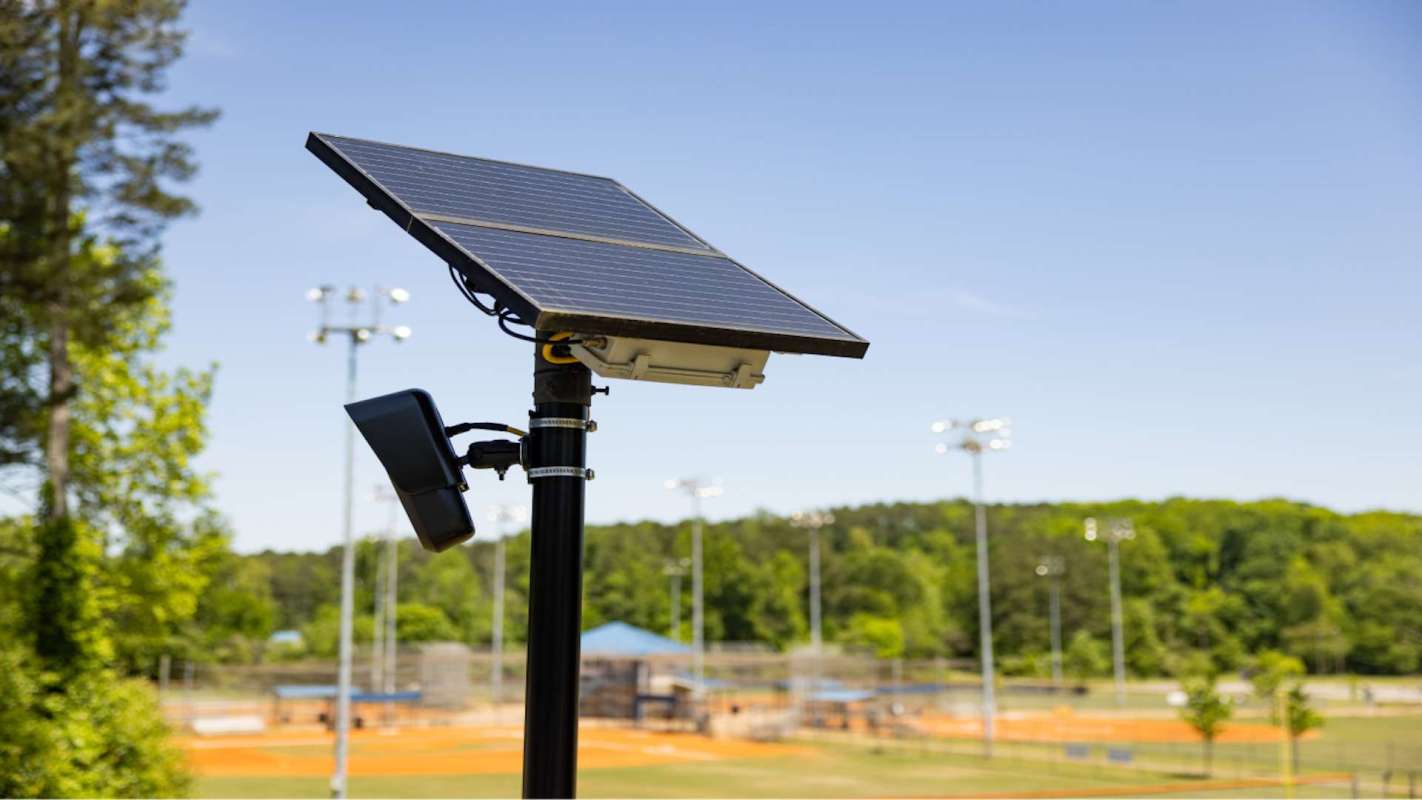
Pennsylvania's debate over automated license plate readers is moving on two tracks at once: Lawmakers want new restrictions, and a leading company in the field claims its system will keep vehicle-location records for less time unless police choose otherwise.
Those developments land in the middle of a widening national argument over when a crime-fighting tool becomes a mechanism for large-scale monitoring, according to the Pennsylvania Capital-Star.
Here's what to know
Under a policy change announced by Flock Safety, the standard retention period for vehicle-location records would drop from 30 days to seven, though departments could still select the 30-day option, the Pennsylvania Capital-Star reported.
Flock also said users will have to enter a criminal case number for each search and use a tool that marks unusual activity for later review.
The company's announcement coincides with bipartisan work in Harrisburg on bills that would set rules for the use of plate-reader data by police and other agencies.
Those proposals would establish penalties for misuse, mandate audit logs and public transparency, and allow either private individuals or prosecutors to bring lawsuits over alleged abuses.
TCD Picks » Quince Spotlight
💡These best-sellers from Quince deliver affordable, sustainable luxury for all




Calls for tighter oversight have intensified after accounts from across the country alleged that officers used plate-reader tools to track spouses, former partners, and others.
"There is a clear misuse of this technology from some of the people who should be the guardians of it," said Rep. Tarik Khan, a Democratic lawmaker from Philadelphia.
Flock CEO Garrett Langley addressed the reports in a news release.
"Abuse of Flock technology, at any level, is unacceptable," Langley stated.
More background
These systems capture images of passing license plates and record the place and time each vehicle was detected.
Investigators claim they rely on the data to recover stolen vehicles, locate missing people, and aid criminal cases, while opponents warn that the same databases can build extensive histories of innocent people's travel.
Placed along a street or outside a business, a camera can compile a record of drives to workplaces, doctor's visits, religious services, demonstrations, or trips to see relatives, even when no offense is under investigation.
Privacy advocates say the risks grow when agencies can collect this information at scale and then distribute it broadly.
Chad Marlow, a privacy expert at the American Civil Liberties Union, described Flock's changes as "more window dressing than anything else," saying departments can still retain data for longer periods unless the law forces deletion.
In one Pennsylvania department, records reviewed by the Capital-Star showed more than 11 million searches by outside agencies, compared with a little over 10,000 by the department's own officers.
The Capital-Star also found that most search entries did not include a case number, and that thousands gave "immigration" or "ICE" as the reason for the query.
What's being done?
Pennsylvania lawmakers are pursuing several approaches.
Khan's bill would authorize private individuals to sue for misuse and allow the state attorney general and county district attorneys to investigate violations.
It would further require policies covering who may use the data, why searches are conducted, how long records are kept, and what audit documentation must be maintained.
Rep. Nathan Davidson, a Democratic lawmaker from Dauphin County, introduced a bill that would stop law enforcement from sharing plate-reader data with federal agencies or out-of-state police if it could be used to track people seeking abortion care or other health care.
Rep. Jen O'Mara, a Democratic lawmaker from Delaware County, has also proposed restricting the purposes for which government agencies may use the systems and requiring collected data to be deleted on time.
That bill would additionally prohibit vendors from selling information collected through their cameras and software.
No fewer than 17 states already have some form of regulation for license plate readers, the Capital-Star reported.
"I would not want them to be requesting license plate reader data that we have been using in law enforcement in Pennsylvania for those purposes in other states," Davidson remarked.

Get TCD's free newsletters for easy tips, smart advice, and a chance to earn $5,000 toward home upgrades. To see more stories like this one, change your Google preferences here.







