


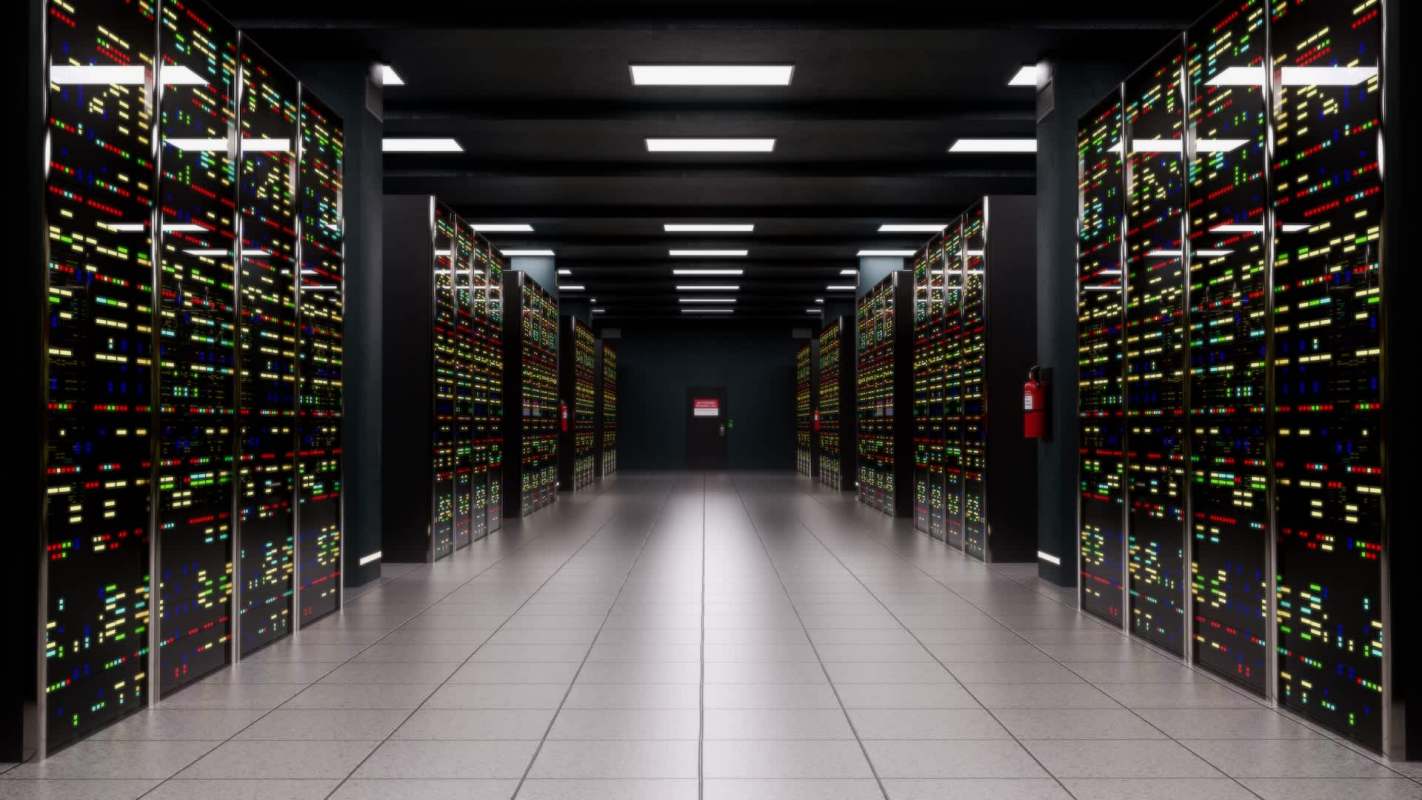
A rapidly expanding data center sector in Pennsylvania is facing new disclosure rules: report precise annual electricity and water use to the state or risk daily fines.
Pennsylvania Gov. Josh Shapiro signed the state budget Sunday, and according to Utility Dive, one provision imposes tougher transparency rules on an industry that is rapidly increasing demand on the grid.
What happened?
Yearly state filings on energy use and planning are now required from Pennsylvania data centers under House Bill 1924, which was included in the new budget.
The report must include the prior year's total electricity use, the next year's expected demand, and any steps taken to generate power on-site or off-site, along with the "estimated average amount of energy usage per hour during the data center's peak load," A missed filing can trigger a $10,000 fine for every day it remains outstanding.
Separately, the Pennsylvania Department of Environmental Protection will publish an annual overview of statewide data center electricity and water use trends.
PPL Electric highlighted growth in May, noting that its "advanced" data center pipeline had increased 12% over three months, from 25.2 gigawatts to 28.3 gigawatts projected by 2034. That jump reflects the broader acceleration of data center development in Pennsylvania.
TCD Picks » Quince Spotlight
💡These best-sellers from Quince deliver affordable, sustainable luxury for all




It also gives the Pennsylvania Public Utility Commission the authority to review and validate the load forecasts Pennsylvania utilities submit to PJM Interconnection.
As the bill states, "The current process by which utilities submit information to PJM lacks transparency for policymakers, regulators and stakeholders."
Why does it matter?
Data centers power everything from cloud storage to streaming and artificial intelligence tools, but they can also consume enormous amounts of electricity and water. As more facilities are proposed, states are trying to understand what that growth could mean for power reliability, utility bills, and local resources.
If utilities overestimate or underestimate future demand, regulators and residents could end up dealing with the consequences — from unnecessary infrastructure costs to grid strain during periods of high use.
A state memo cited in the reporting said the Pennsylvania PUC "showed one utility is projecting its load to grow over the next 9 years by over 200% while the next closest utility was at 11% over the same period."
Many large data centers rely on water-intensive cooling systems, and public tracking may reveal how new development affects shared resources, especially during heat waves or droughts.
What's being done?
Pennsylvania's approach does not block data center construction, but it does create more oversight. The new rules require companies to disclose the scale of their energy and water use, while giving regulators a clearer view of how much demand is coming.
Another change expands the Pennsylvania PUC's role by having it vet load forecasts before utilities send them to PJM, the regional grid operator.
Shapiro has already pushed for a larger state role in PJM governance, and this budget appears to continue that effort by investing in data and oversight.
As state Sen. Gene Yaw, R, said, the PJM language will help agencies "better understand future electricity needs as demand continues to increase." Lawmakers also argued that "There is a need for oversight by the Pennsylvania Public Utility Commission to ensure accuracy and transparency of load-forecast inputs."

Get TCD's free newsletters for easy tips, smart advice, and a chance to earn $5,000 toward home upgrades. To see more stories like this one, change your Google preferences here.






