


Sodium-ion batteries are shaping up to be the next wave of innovation in energy storage, with several companies eyeing large-scale operations at a lower price point than lithium.
Still, because supply chains are young and testing at scale is limited, upfront cost remains an issue.
Here's what to know
Denver-based Peak Energy has already secured $1.1 billion in preorders, and it says batteries that need less cooling and maintenance could lower costs over decades, even before purchase prices fall, according to a video from content creator Matt Ferrell.
Peak Energy expects deliveries to begin in early 2027 from the $71 million factory it is building near Sacramento, California. General Motors is backing the facility, which is designed to produce 4 gigawatt-hours of storage systems.
Jupiter Power accounts for as much as 4.75 gigawatt-hours of Peak's preorders, while Energy Vault has ordered 1.5 gigawatt-hours, Ferrell said.
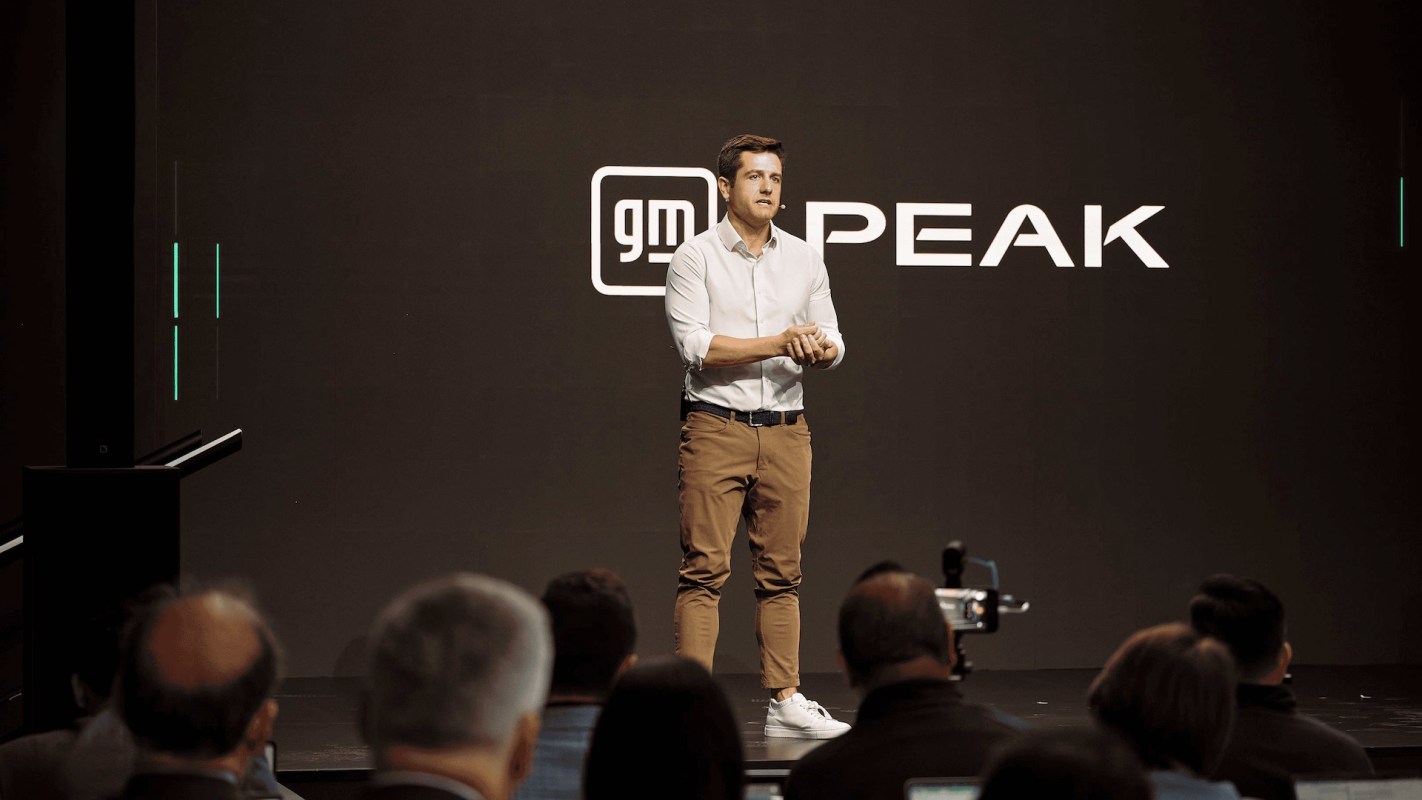
General Motors is also investing heavily in the technology. Kurt Kelty, VP of battery and sustainability at the company, said: "You've got the resources in the U.S. that you can keep it totally domestic," referring to Earth's largest soda ash deposit and the world's largest deposit of anthracite, located in Wyoming and Pennsylvania respectively.
TCD Picks » Quince Spotlight
💡These best-sellers from Quince deliver affordable, sustainable luxury for all




Soda ash and anthracite are key ingredients in sodium-ion batteries, meaning the U.S. is sitting on a goldmine and may be heavily incentivized to develop the technology.
Peak claims a 20% cost advantage over lithium-ion due to its projected energy savings and service life. Ferrell reported that Peak expects the systems to retain 80% of their capacity after 20,000 cycles and run for two decades without routine maintenance.
Ferrell said, "The biggest takeaway for me, is that sodium-ion can already win on lifetime cost once longevity and energy savings are factored in."
More background
Building a competitive sodium-ion battery industry requires large-scale manufacturing and mature supply lines. Abundant sodium alone is not enough, though the element is roughly 1,000 times as abundant as lithium, according to Ferrell.
Sodium-ion innovation stalled after the expected price advantage weakened as lithium carbonate prices fell 90% from their post-pandemic peak.
However, as manufacturing and investments increase, that gap is projected to close.
Peak's design eliminates fans, chillers, and cooling-fluid loops, leaving utilities and businesses with fewer components to power and maintain. The company says its passive cooling allows the system to operate at ambient temperatures as high as 130 degrees Fahrenheit.
Resistive heating supports the system's operation at temperatures down to minus 40 degrees Fahrenheit.
Peak estimates annual savings of up to $1 million for each gigawatt-hour of storage. The company says performance testing found that its systems used as much as 90% less auxiliary power than conventional lithium-ion systems.
Beyond its temperature tolerance, sodium-ion's resistance to thermal runaway drew praise from one commenter on the video.
"For less-explodey stationary systems this seems like a good choice," they wrote. In a test shown in the video, a sodium-ion battery was punctured with an iron rod, without fire.
What's being done?
GM plans to supply Peak with sodium-ion cells by 2029 and is developing them at its Michigan battery research center.
Qualifying storage deployments using non-Chinese components get federal incentives along with bonuses worth up to 10% of project costs for American-made systems.
Chinese suppliers are developing ways to make hard carbon from anthracite coal rather than coconut shells. That work addresses another supply challenge for manufacturers, which need hard carbon for battery anodes.
Existing lithium iron phosphate production lines need only minor changes to accommodate GM and Peak's sodium iron phosphate pyrophosphate chemistry, which could help manufacturers expand production, Ferrell explained.
Executives at both companies see upfront price parity with lithium-ion as possible around 2028.
For Peak Energy cofounder and chief commercial officer Cameron Dales, the practical advantage comes down to reducing running costs by avoiding cooling equipment.
"You don't have to power a refrigerator in the desert for 20 years to keep the system operating properly."
Where can I learn more?
Peak's focus is on storage for utilities and businesses, but sodium-ion batteries are also making their way into homes and EVs.
• A new index shows when lower-cost sodium-ion batteries can replace lithium-ion alternatives.
• Sodium-ion batteries are reaching EVs and home storage without relying on lithium or cobalt.
• In Germany, a homeowner went fully off-grid with sodium-ion batteries after rejecting indoor lithium.
• Sodium-ion cell resistance more than doubles at 50°F, challenging claims about cold-weather performance.
• A Colorado renter considering salt batteries received advice favoring LiFePO4 for solar backup.

Get TCD's free newsletters for easy tips, smart advice, and a chance to earn $5,000 toward home upgrades. To see more stories like this one, change your Google preferences here.
Cool Picks






