


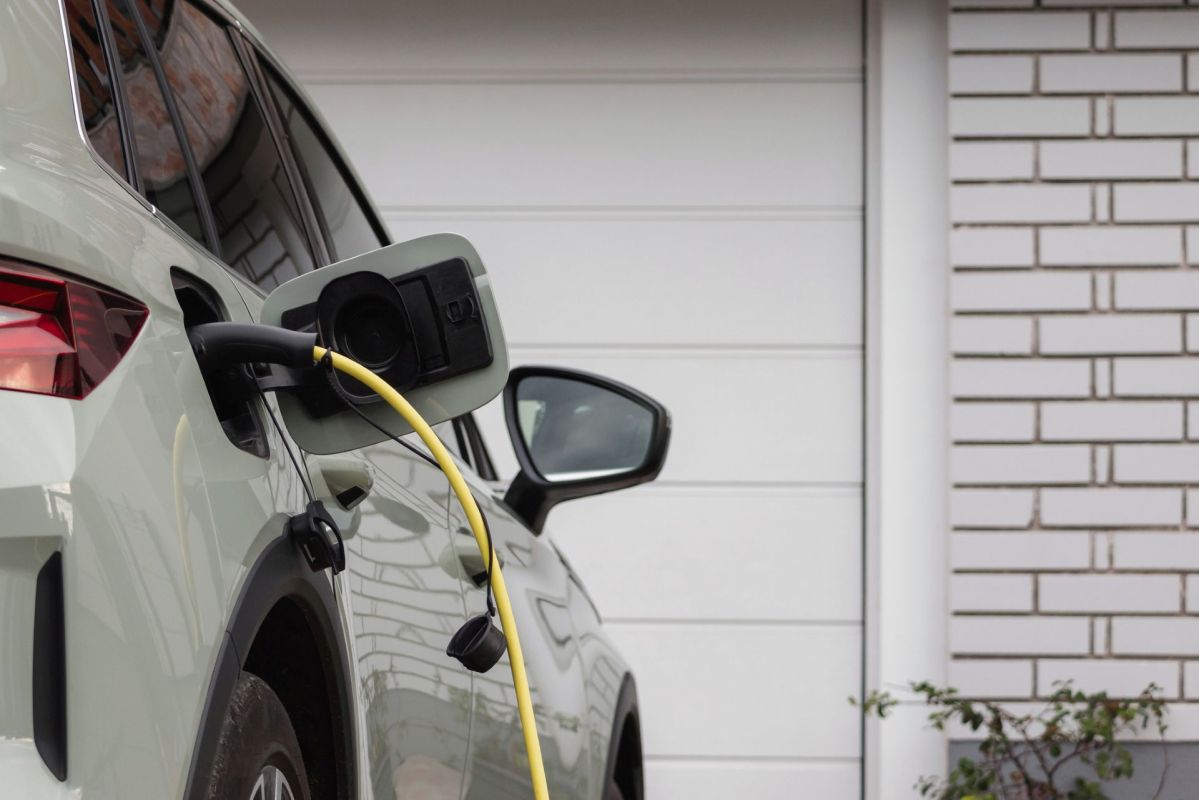
Parked electric vehicles in Europe may soon do far more than sit in driveways.
Thanks to regulatory changes and new offerings from automakers, EVs are increasingly being seen as mobile batteries — ones that can lower household energy bills, support the grid, and even generate income for drivers.
What's happening?
Bidirectional charging turns an EV from a one-way electricity consumer into a power source that can deliver energy outward. And in Europe, that option is becoming more economically viable as regulators ease rules that had discouraged it, according to Automotive News Europe.
The setup can work in two directions depending on where the electricity goes.
With vehicle-to-grid, or V2G, power stored in the battery can be sent to the wider grid during expensive peak-demand windows such as early evening.
With vehicle-to-home, or V2H, the same battery can serve as a backup power supply for a house.
TCD Picks » Quince Spotlight
💡These best-sellers from Quince deliver affordable, sustainable luxury for all




Car companies are beginning to build those capabilities into their lineups.
BMW and Volvo are adding bidirectional functions to some models; Volkswagen plans an integrated V2G offer for private buyers in Germany before taking it to other European markets; Renault says the Renault 5 E-Tech is V2G-compatible and aims to make the feature standard across Renault Group vehicles; and BYD is offering the U.K.'s first V2G package with the Dolphin.
Philipp Rose, a director at Strategy&, emphasized the scale of the opportunity: "It's basically a gold mine that will be sitting in our garages."
Why does it matter?
The technology could lead to savings. Instead of simply paying to charge an EV, owners may be able to fill the battery during low-rate periods and later send some of that energy back out when rates rise.
By 2035, Rose expects average annual savings of €440, or about $456, per car from bidirectional technology, "which pays for itself in year one."
The potential benefits extend beyond individual budgets. Homes could gain resilience during blackouts or extreme weather by drawing on the battery already parked in the driveway. Cities and utilities could also benefit from a more stable grid if millions of EVs help smooth spikes in electricity demand.
The market is still in its early stages. The feature was available on only about 5% of battery-electric vehicles in 2025. By 2035, however, Strategy& expects Europe to have more than 13 million bidirectional-capable vehicles, representing 85% of new EV sales.
What's being done?
One of the biggest obstacles has been policy, not engineering. Europe has long lacked rules that would let V2G make money because of "double grid fees," meaning drivers might pay once to charge and again to feed power back out.
A November 2025 change to Germany's Energy Industry Act ended those added charges. The move suggests regulators are beginning to recognize EVs as part of the broader energy network, a shift that could encourage similar changes elsewhere in Europe.
At the same time, automakers are building the necessary hardware directly into more vehicles, which should make the feature easier for consumers to use without requiring special retrofits.
As more drivers shop for EVs, bidirectional capability could become another money-saving feature to weigh alongside range, charging speed, and sticker price.
"Every automaker needs to have BiDi," Rose said, "otherwise people will not choose your product going forward."

Get TCD's free newsletters for easy tips, smart advice, and a chance to earn $5,000 toward home upgrades. To see more stories like this one, change your Google preferences here.






