


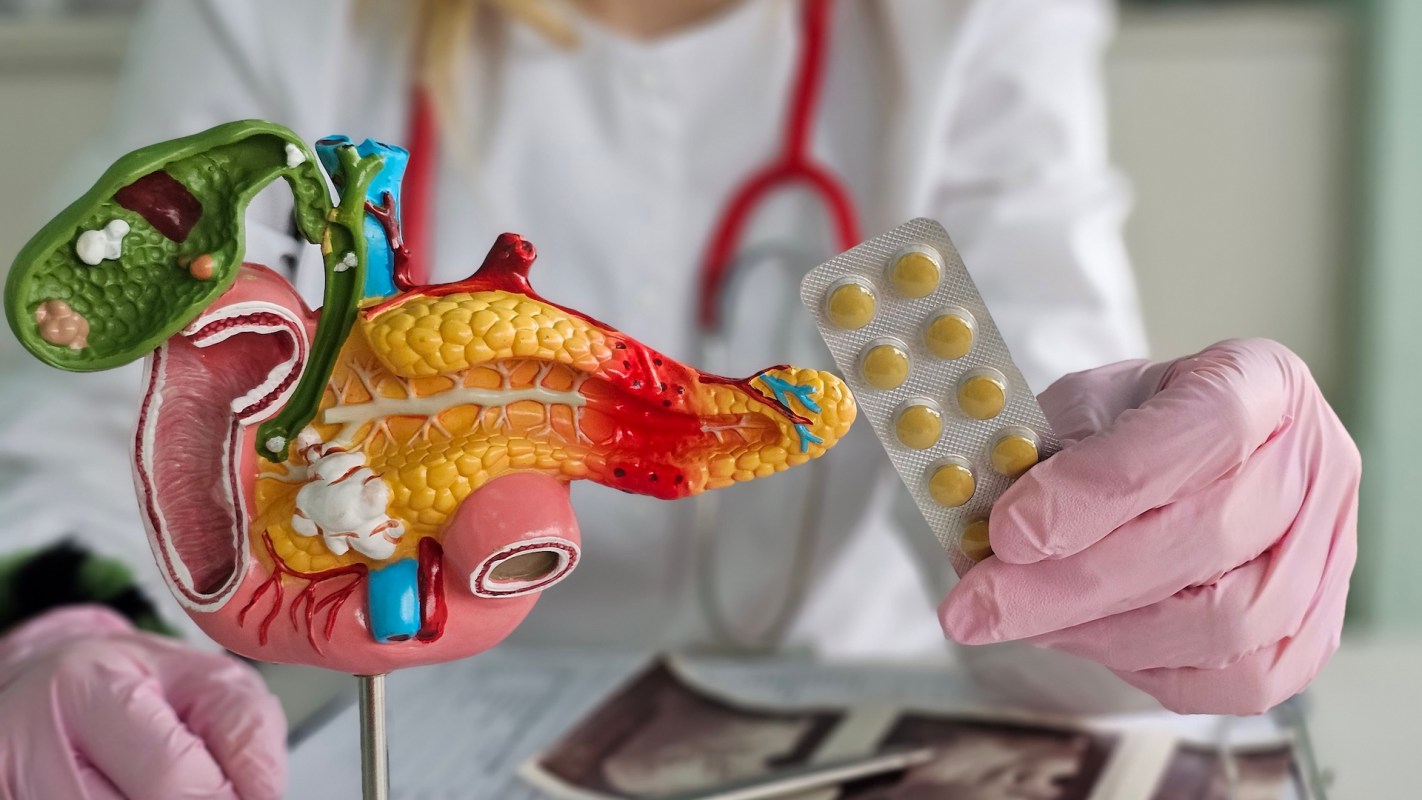
After years of fruitless efforts to block a key genetic force behind pancreatic cancer, researchers say an outcome once viewed as unlikely may finally be taking shape.
A once-a-day pill has been shown to markedly extend survival for some people with advanced disease.
The numbers were powerful enough that an oncologist who has spent 16 years treating pancreatic cancer said she cried when she first saw them, according to a summary of the research from Earth.com.
What's happening?
In a global study of 500 patients, the daily drug daraxonrasib beat chemotherapy for people whose cancer had already spread and had stopped responding to earlier treatment.
About half of the 500 trial participants were given the pill, while the other half received chemotherapy. Researchers said that the daraxonrasib pill lowered the risk of death by about 60% when compared with physician-selected chemotherapy.
Pancreatic cancer is still especially deadly, however. Patients who took the pill lived around 13 months, while those on chemotherapy lived just under seven, according to Earth.com.
TCD Picks » Quince Spotlight
💡These best-sellers from Quince deliver affordable, sustainable luxury for all




Appearing in the New England Journal of Medicine, the research examined tumors fueled by KRAS mutations. That protein has long frustrated drug developers because its smooth surface makes it difficult for medicines to attach to it, leading many to describe it as "undruggable."
Brian Wolpin of the Dana-Farber Cancer Institute led the trial. According to a release from the institute, "The results support the use of daraxonrasib as the new standard of care for second-line treatment of metastatic pancreatic cancer."
Why is this important?
As reported by the National Cancer Institute, only about 13.7% of people survive five years after a diagnosis of pancreatic cancer.
Making matters more serious, per the NCI, almost 2% of people will be diagnosed with pancreatic cancer during their lifetimes.
Part of what makes the disease so dangerous is that it is often found after it has already spread and when surgery is no longer an option. For many patients, chemotherapy has remained the main treatment available, even though it can damage healthy cells and often provides only limited extra time.
The results of this new research point to a shift away from a one-size-fits-all approach to treatment and toward more precise medicines based on a tumor's genetics. That could mean longer survival, better day-to-day functioning, and less pain.
Pancreatic cancer remains difficult to treat, but a disease long defined by limited options may be entering a new phase.
What are people saying?
"It is exciting to see that we may soon be able to help patients with metastatic pancreatic cancer in ways we haven't been able to before, improving both survival and quality of life," Wolpin said in the release.
According to the Dana-Farber Cancer Institute, the U.S. Food and Drug Administration granted permission for the company Revolution Medicines to proceed with an "expanded access program" to allow some patients to use the drug prior to approval.
"Were this drug to be approved by the FDA, it would mark a dramatic shift in how pancreatic cancer is treated," Wolpin said.

Get TCD's free newsletters for easy tips, smart advice, and a chance to earn $5,000 toward home upgrades. To see more stories like this one, change your Google preferences here.






