


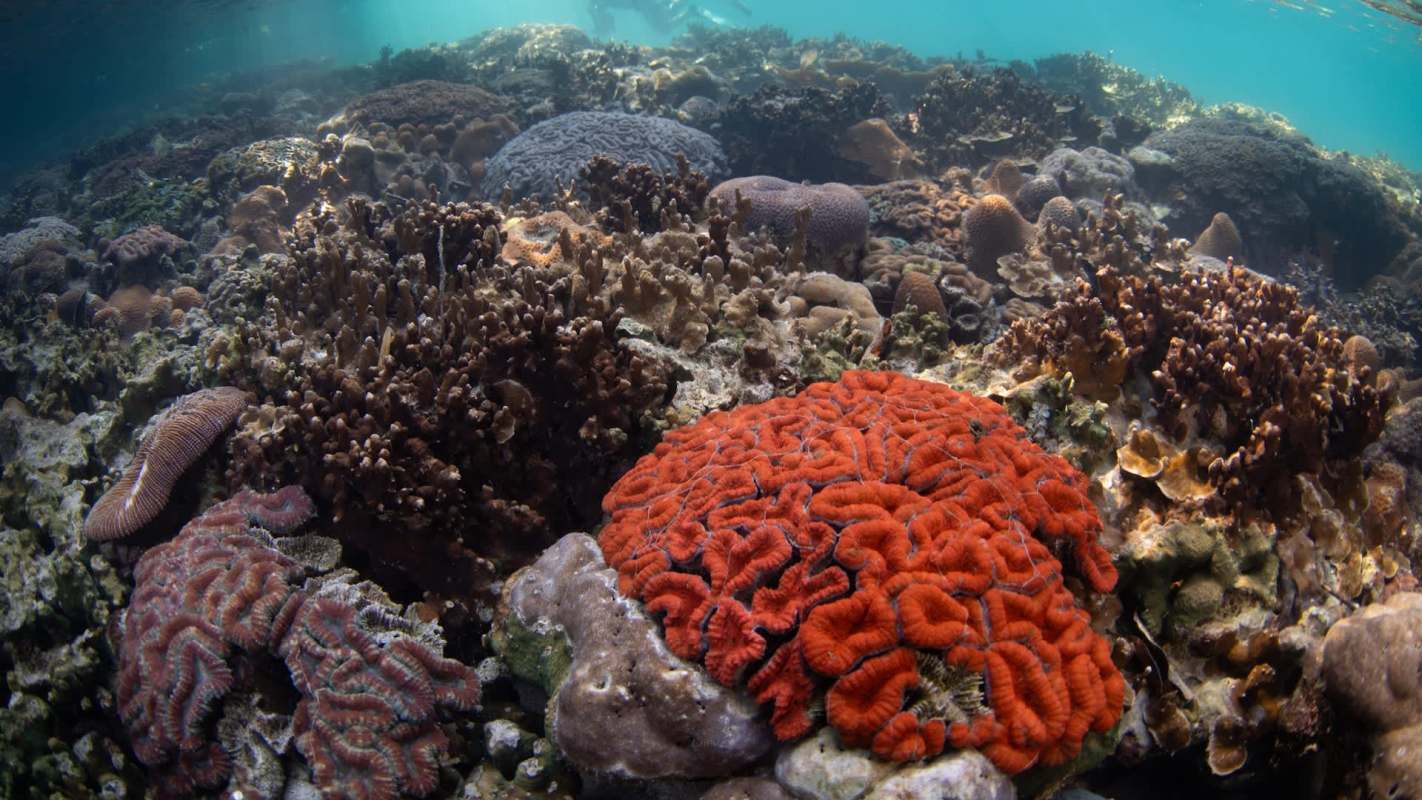
Palau's reefs have done something many of the world's coral ecosystems could not.
They have largely avoided mass bleaching despite unusually warm water, turning the Pacific island nation into a living laboratory for scientists racing to protect reefs in a hotter future.
Here's what to know
A video report shared on TikTok by Al Jazeera English (@aljazeeraenglish) followed 101 East correspondent Eric Campbell as researchers in Palau looked for corals that can endure heat to then raise them for restoration — an approach that is one of the best hopes for safeguarding reefs globally.
@aljazeeraenglish The small Pacific nation of Palau has largely escaped the mass coral bleaching events that have devastated major reef systems like Australia's Great Barrier Reef because its reefs are unusually resistant to heat. As global temperatures soar, Palau is now cultivating "super coral" in a bid to help reefs withstand a warming climate. Scientists believe this technology could be the best chance to save the world's coral reefs. 101 East correspondent Eric Campbell travels to Palau to explore the race to save these vital ecosystems.
♬ original sound - Al Jazeera English
According to the report, the reefs around Palau have been spared much of the damage suffered by systems such as Australia's Great Barrier Reef, making them a focal point for coral science.
Instead of studying only collapse, scientists in Palau are studying survival.
"We're trying to identify those corals that are very heat tolerant," Uly Olsudong of the Palau International Coral Reef Center said.
TCD Picks » Quince Spotlight
💡These best-sellers from Quince deliver affordable, sustainable luxury for all




Researchers then cultivate those hardy corals and place them on damaged reef sections, aiming to improve how reefs cope with warmer seas.
Campbell said hotter waters and super storms have already wiped out "perhaps half the world's coral cover," adding urgency to efforts to restore habitats that sustain fish, wildlife, and local economies.
One commenter wrote, "I can definitely see a change in the reef system in Cozumel and in the Bahamas over the last couple of decades. The reefs are dying at an accelerated pace."
More background
Coral reefs are often described as ocean rainforests because so much life depends on them.
For coastal communities, they are also critical infrastructure. They help blunt wave energy, support fisheries, and attract tourism that keeps local businesses running.
If scientists can understand what makes certain corals unusually resistant to heat, that knowledge could help communities elsewhere protect food supplies, jobs, and shorelines as marine heat intensifies.
Campbell asked whether the effort is a "distraction from the need to cut emissions," and Terry Hughes, a professor at James Cook University, said, "It sends what I believe is a false message to the general public that the clever scientists have got this."
"Super coral" is not a substitute for cutting planet-warming pollution. It is, however, a potential emergency tool for buying time for ecosystems and the people who rely on them.
What's being done?
Al Jazeera English said scientists are raising corals chosen for heat tolerance and transplanting them into damaged reef zones, while also trying a restoration technique that returns larvae to degraded reefs.
That kind of hands-on intervention could help preserve biodiversity while keeping reefs functional.
Protecting reefs also means managing coastal development carefully and pushing for faster action on the pollution that is warming oceans in the first place.
Where can I learn more?
Palau's work with heat-tolerant corals is one piece of a bigger effort to keep reefs alive as oceans warm and other pressures mount.
• Marine scientists are playing sounds to coral reefs to lure fish back and speed regeneration.
• In Florida, scientists unleashed a horde of crabs to clear algae choking coral.
• In the Gulf of Mexico, healthy coral reefs still face oil and gas threats.
Reef recovery will likely depend on several approaches at once. In that mix, Palau's naturally resilient corals could become even more valuable as oceans continue to heat up.

Get TCD's free newsletters for easy tips, smart advice, and a chance to earn $5,000 toward home upgrades. To see more stories like this one, change your Google preferences here.






