


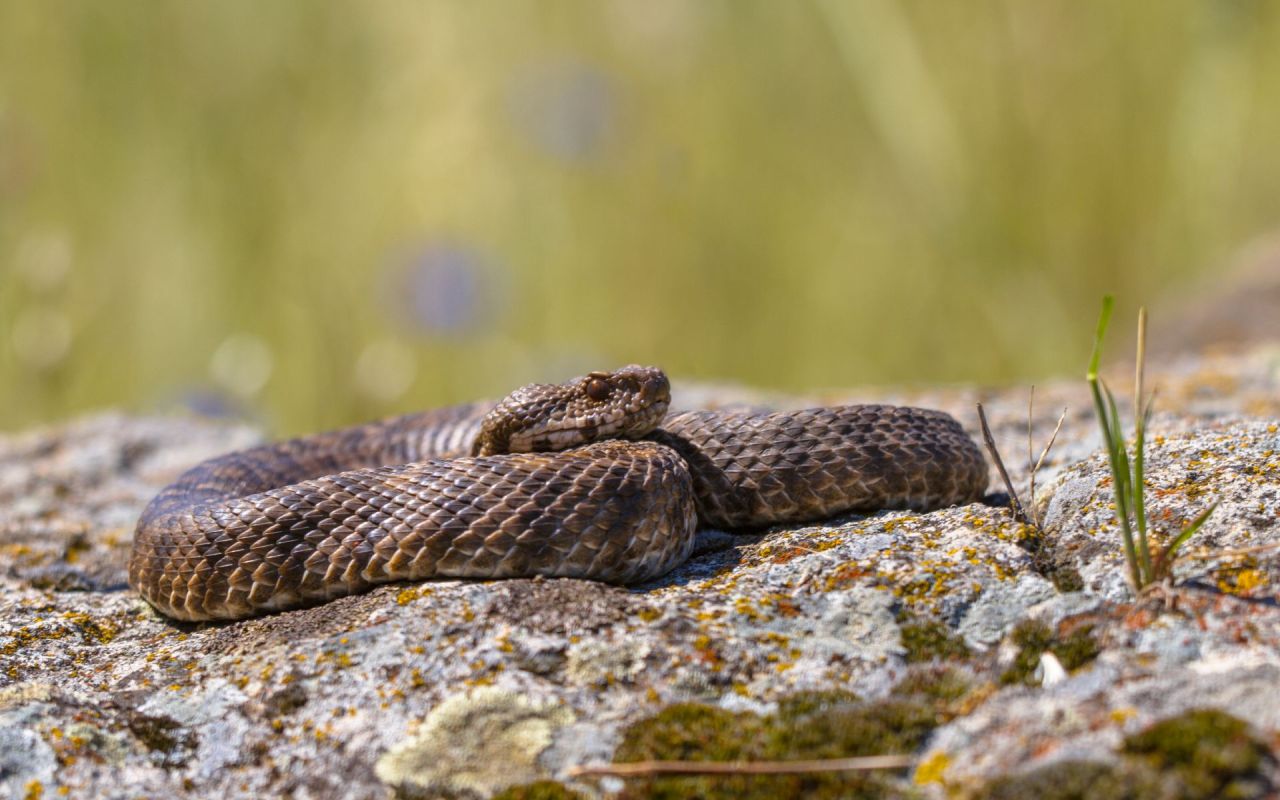
Researchers confirmed the presence of a venomous viper in a part of Greece where the species had not previously been recorded. The finding extends the species' range and may call for updates to emergency planning.
Here's what to know
A population of Ottoman vipers — more formally known as Montivipera xanthina — was identified in the northern Greek prefecture of Drama in 2024. According to Bioengineer, this came after a resident captured video of a snake near Aggitis village.
Follow-up field surveys over the next year documented three more snakes — two adults and a juvenile — according to a study later published in the journal Herpetozoa.
The previously verified westernmost mainland record for the species was in the Kryoneri-Almyros area of Rhodopi Prefecture — roughly 81 miles farther west.
The researchers' findings, as reported by Bioengineer, suggest the snakes have established a local population.
Researchers have considered whether the snake might have arrived in Aggitis unintentionally via traffic linked to a nearby tourist site.
TCD Picks » Quince Spotlight
💡These best-sellers from Quince deliver affordable, sustainable luxury for all




They did not publish the exact observation coordinates to limit poaching and other dangers tied to the illegal reptile trade, according to Bioengineer, though the information remains available for legitimate scientific requests.
What's being done?
More research is indeed needed to better understand the viper's mainland range, its genetics, and how it interacts with other snakes — especially the nose-horned viper, which occupies similar habitat across much of the Balkans.
Meanwhile, with the highly venomous Ottoman viper confirmed in the area, the public health system and local hospitals may need to revise protocols concerning snakebite prevention and treatment.
Public health officials may consider sharing warnings so that residents and visitors can be on the lookout. Hospitals may consider adding training for the use of antivenom to treat potential bites.
Last year, the regional outlet Tovima reported that Greece was developing its own antivenoms to avoid relying on imported serums.
Where can I learn more?
Venomous snakes are turning up in places where people — and local health systems — may be caught off guard:
• A global rising snakebite threat could expose billions as venomous species shift ranges.
• Venomous snakes may move toward heavily populated coastlines as habitats change worldwide.
• In Dhaka, venomous snakes now sneak into human settlements as urbanization intensifies.
• In India, a looming public health crisis is unfolding as snakebites rise.
• In Jerusalem, two boys were rushed to a hospital after viper bites during warm weather.

Get TCD's free newsletters for easy tips, smart advice, and a chance to earn $5,000 toward home upgrades. To see more stories like this one, change your Google preferences here.






