


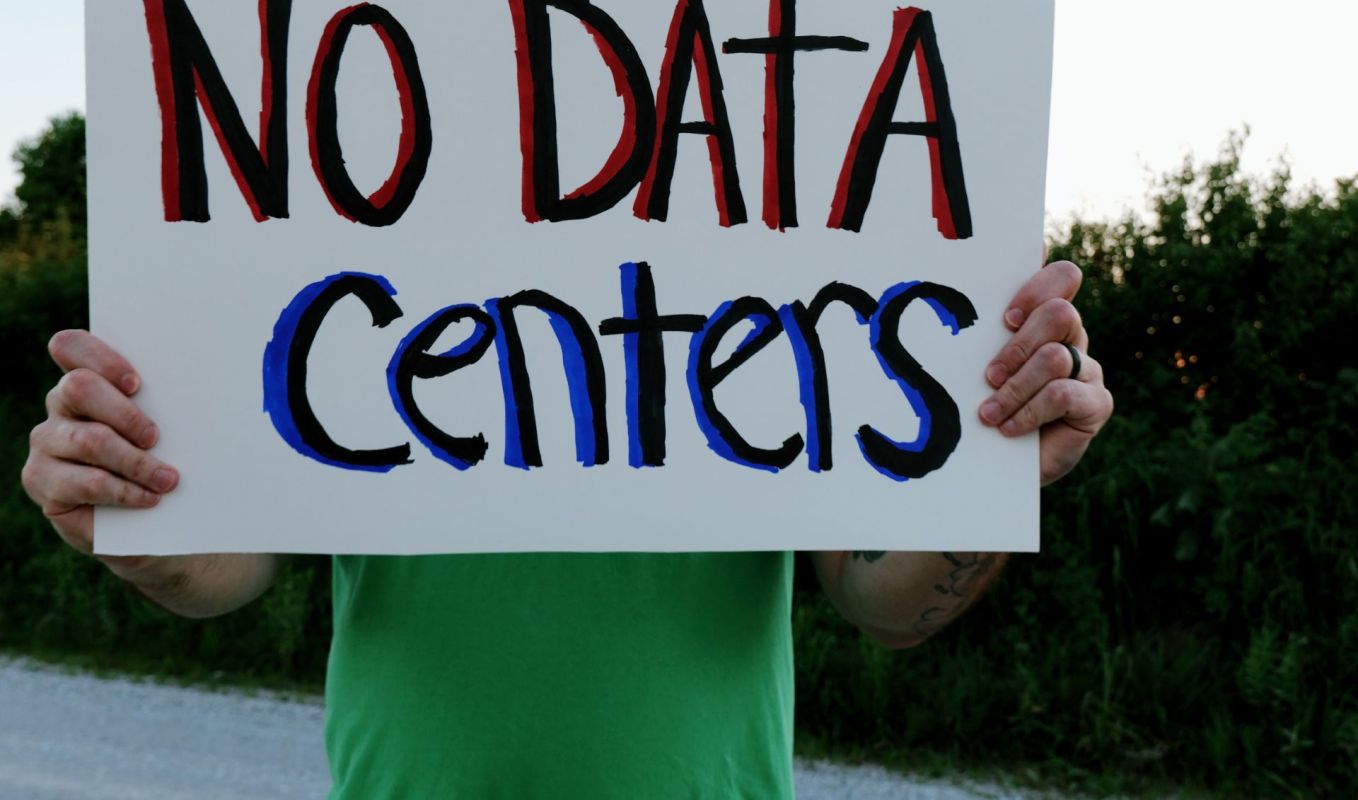
Oregon voters appear far less enthusiastic about artificial intelligence than the tech industry may have hoped, as new polling suggests many residents are wary not only of AI tools themselves but also of the massive data centers needed to power them.
What's happening?
According to Willamette Week, a new poll from Portland-based DHM Research suggests Oregon voters are broadly uneasy about both AI and the data centers tied to it.
The survey questioned 600 Oregon voters between July 23 and 28 about AI and 10 possible policy measures.
Negative views were strongest toward data centers, with 71% of respondents viewing them unfavorably.
The poll also found that 61% had negative opinions of AI overall, while 60% felt unfavorably about chatbots such as Claude, ChatGPT, and Gemini.
That skepticism also showed up in policy preferences: 58% said they supported a pause on new data center construction and opposed incentives meant to attract more development.
TCD Picks » Quince Spotlight
💡These best-sellers from Quince deliver affordable, sustainable luxury for all




Support was even higher for disclosure and youth safeguards. 93% favored requiring companies to tell people when they were interacting with a chatbot rather than a person, while 86% supported age checks and feature limits for minors using AI chatbots.
DHM senior vice president John Horvick told WW, "We were trying to see what personal feelings might shape the debate in November."
Why does it matter?
Data centers are large industrial sites that consume land, electricity, and water.
Training and running AI systems requires enormous computing power, and that power comes from data centers that can put heavy demand on local utilities.
AI could still help society in meaningful ways, including improving grid management, forecasting clean energy supply, and making buildings and transportation systems more efficient.
But those potential benefits come with serious concerns, including higher energy use, water strain, security risks, misuse of AI-generated content, and the possibility of rising utility bills for households.
Support for some AI limits also appeared to cross party lines. Respondents strongly backed a ban on AI-generated images in political campaign ads, even as many assumed their own party agreed with them.
What's being done?
Oregon communities are already pushing leaders to slow down and reconsider expansion.
Governor Tina Kotek ended a proposed Salem data center project, and Hillsboro — a major hub of data center growth in the state — now has a City Council-approved pause on new construction.
The poll also found that 58% favored making AI instruction part of public school education, suggesting many residents want safeguards and literacy rather than blanket opposition.

Get TCD's free newsletters for easy tips, smart advice, and a chance to earn $5,000 toward home upgrades. To see more stories like this one, change your Google preferences here.






