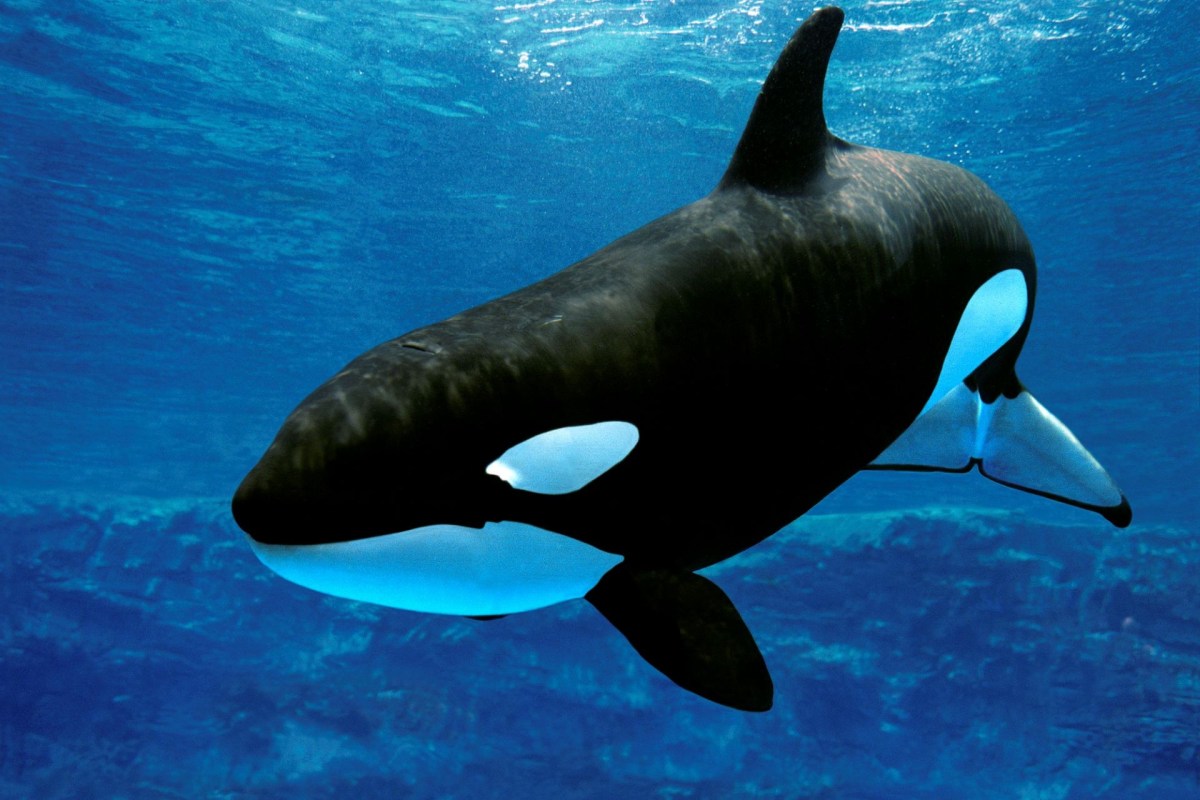
Video from Mexico's Gulf of California shows orcas pinning a huge sunfish before another whale slams into it, breaking the fish apart.
Scientists think the maneuver might make the prey easier for younger orcas to eat, but they also say it may be a form of play.
What happened?
According to the Community Newspaper Group, the incidents were seen in the Gulf of California during two hunting-linked encounters separated by just over a year, and the researchers later described them in Frontiers in Ethology.
In the first event, in July 2024, study first author Kathryn Ayres of Beneath The Waves observed orcas interacting with the carcass of a sharptail sunfish. A female held the fish by the tail as a male sped toward it.
According to Community Newspaper Group, Ayres said, "We document how one orca holds the sunfish and lets go just before another orca hits it at high speed, causing the tissue to break apart into thousands of pieces."
A second event, filmed in September 2025 by Héctor Franz, showed the same hold-and-ram pattern. In each encounter, the sunfish had already died before the impact behavior, and feeding split by size: a juvenile took the smaller fragments while adults consumed the bigger pieces.
TCD Picks » Quince Spotlight
💡These best-sellers from Quince deliver affordable, sustainable luxury for all




Why does it matter?
The sightings suggest orcas have a prey-handling method that scientists had not formally recorded before.
Ayres said, "Ramming has not been previously described as a predation strategy by orcas."
These fish are formidable themselves, growing beyond 3 meters (9.8 feet) and to about 2,000 kilograms (4,400 pounds). But because they regularly come to the surface to rest and manage body temperature, they can become easy targets for hunting orcas in places like the Gulf of California.
Researchers also see a possible social role in the behavior: it may show how pods pass along feeding opportunities and divide food. They suspect the shredding could amount to parental investment by turning a hard-to-eat prey item into something calves and juveniles can manage.
Ayres said, "Tissue fragmentation could therefore facilitate contact between sunfish and orca microbiomes, which could provide nutritional or other benefits, such as immune regulation."
What's being done?
Scientists are gathering more evidence. Because it remains unclear whether the same individual orcas took part in both events, researchers are seeking more high-quality identification footage, particularly of dorsal fins and eye patches, to match specific animals.
Better identification footage could reveal whether the tactic is confined to a single group or is more widespread than scientists realized. Either way, the reports fit with broader evidence that orcas keep displaying new hunting, food-sharing, and social behaviors.
"Orcas often tear apart prey and share it with other members of the group, including calves and juveniles," Ayres said. "They're one of the most iconic marine predators in the world, yet they continue to surprise us."

Get TCD's free newsletters for easy tips, smart advice, and a chance to earn $5,000 toward home upgrades. To see more stories like this one, change your Google preferences here.