A startup's plan to bounce sunlight from space onto Earth after dark is sounding less like futuristic convenience and more like a recipe for industrial-scale light pollution.
A new paper suggests the proposed orbital mirrors could shine brighter than the full moon, turning targeted night skies into something closer to dusk.
Here's what to know
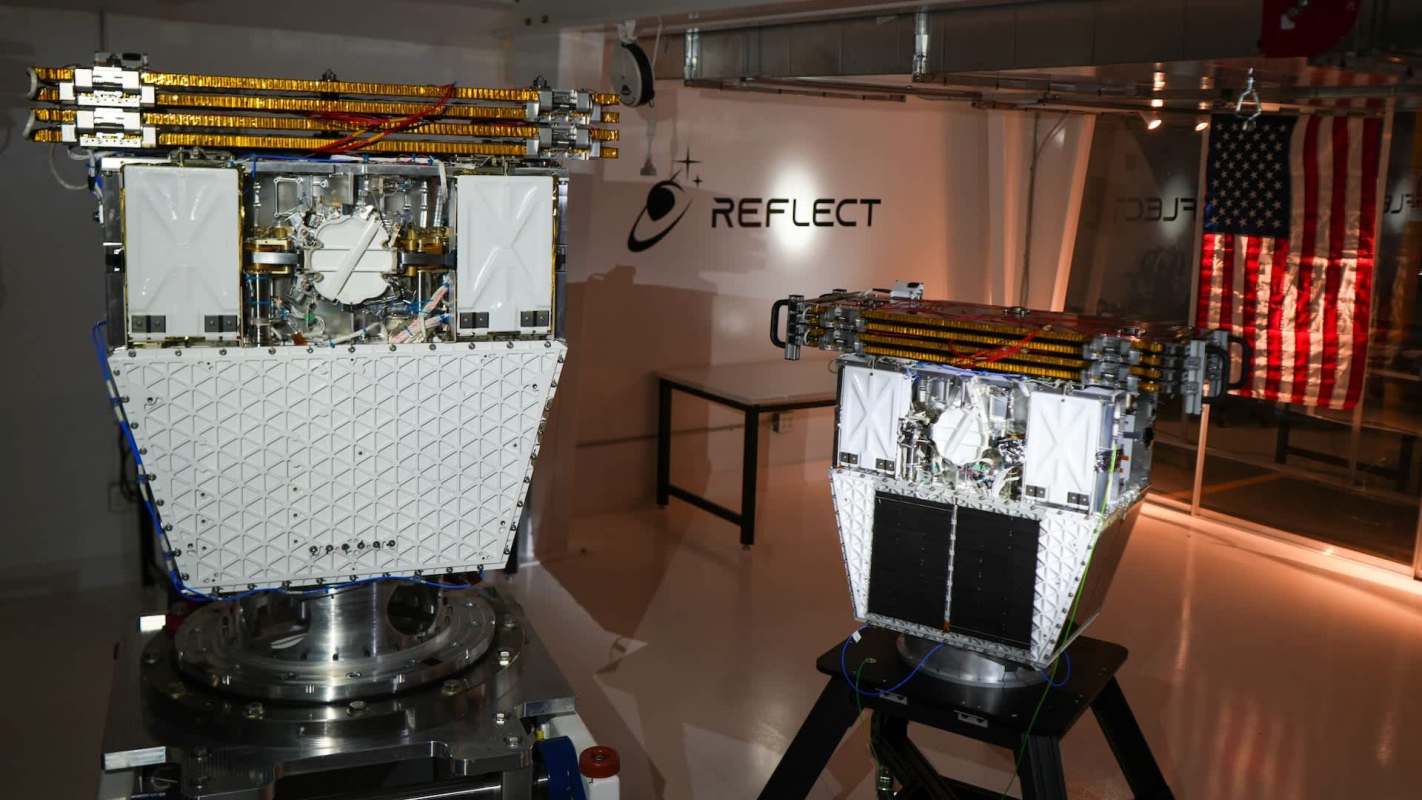
Reflect Orbital is pitching nighttime illumination from orbit. The California-based company wants to use giant mirrors to redirect sunlight onto specific places after sunset, with proposed uses including keeping solar farms lit and helping emergency crews in disaster zones, according to Phys.org.
To gauge the effect on the night sky, a paper posted to the arXiv preprint server and accepted by Astrophysical Journal Letters looked beyond the main illuminated spot. Researchers led by Gáspár Bakos modeled both the direct reflected beam and the light that would spread through the atmosphere.
According to the paper, a single full-size satellite measuring 177 by 177 feet (54 by 54 meters) would appear to a person inside the target beam at around magnitude -16.7, or about four magnitudes brighter than a full moon. The analysis also found that the surrounding glow would travel far beyond the intended area, exceeding full moonlight from 9 miles (14 kilometers) away and still remaining brighter than moonlight from 21 miles (34 kilometers) out.
More background
Eärendil-1, the pilot satellite, is much smaller but still sizable as it carries a 59-by-59-foot (18-by-18-meter) reflector in orbit about 370 miles (600 kilometers) above Earth, with the goal of producing a 1.6-mile (2.5-kilometer) patch of daylight when requested.
TCD Picks » Quince Spotlight
💡These best-sellers from Quince deliver affordable, sustainable luxury for all




That prototype is meant to lead to something far bigger — a network of about 50,000 satellites, including larger versions with sides measuring 177 feet (54 meters).
Treating the night sky as commercial infrastructure would affect far more than customers on the ground. Dark conditions for stargazing, nighttime recreation, and simply looking up at the stars could become harder to find, while astronomy would face increased interference. And once a constellation on that scale is deployed, undoing the damage could prove difficult.
What's being done?
Regulators do not appear to be addressing much of this. Phys.org reported that the FCC approved Eärendil-1 in July despite more than 1,800 public comments and formal objections from the American Astronomical Society and dark-sky groups.
In fact, the paper also warned that running many mirrors at once could create twilight-like conditions visible from as far as 50 miles (80 kilometers) away.
The approval rested on the FCC's view that light pollution and interference with astronomy are outside its scope. With no other agency clearly taking responsibility, a major oversight gap remains as private companies pursue increasingly aggressive uses of orbital space.
The technology is advancing faster than the rules. When a business model depends on privatizing the night sky, it may be worth educating yourself about greenwashing and similar marketing tactics that can obscure broader environmental costs.

Get TCD's free newsletters for easy tips, smart advice, and a chance to earn $5,000 toward home upgrades. To see more stories like this one, change your Google preferences here.