


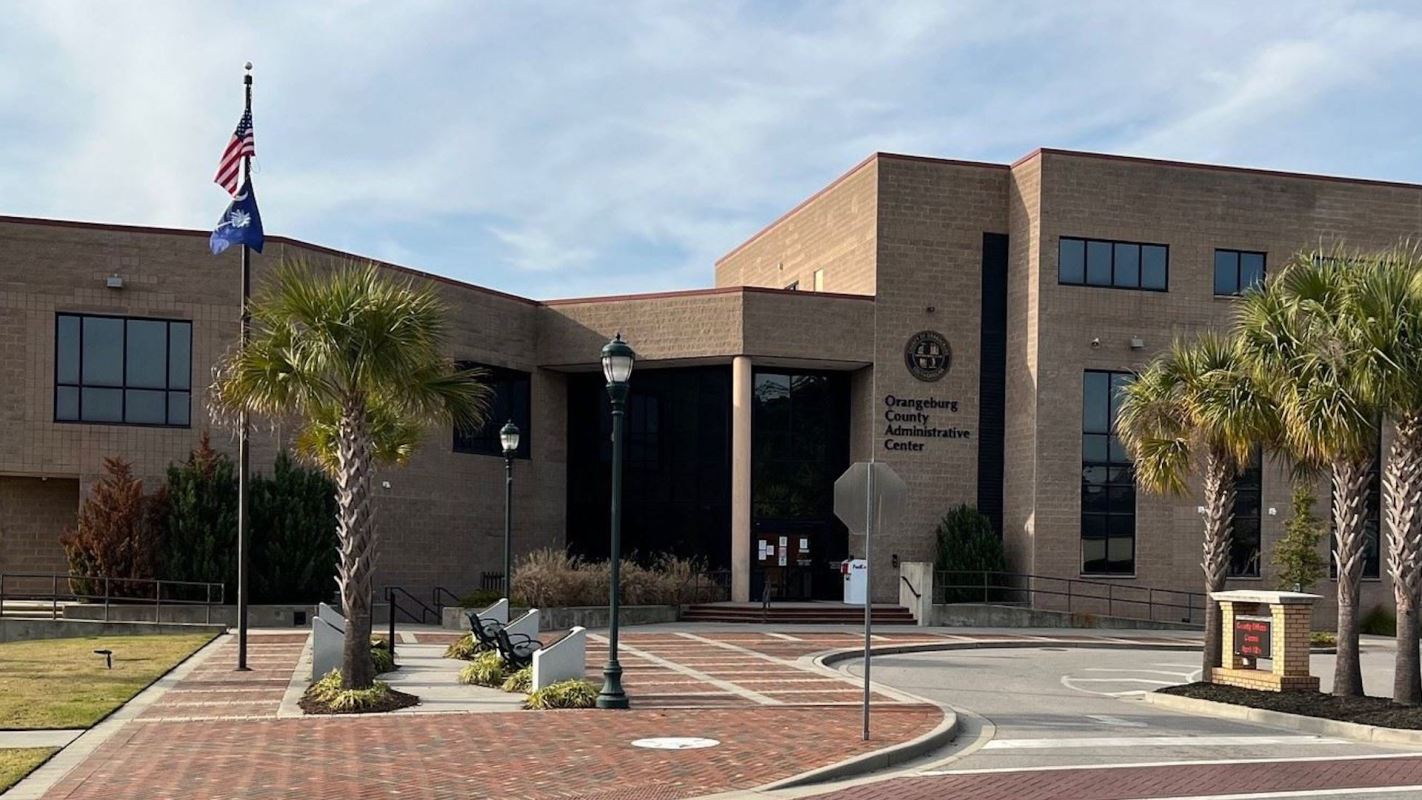
Officials in Orangeburg County, South Carolina, have responded to news of interest in a data center site near downtown Orangeburg by advancing a temporary measure to pause new data center development.
For residents in the local farming community, the decision signals that growth will not move forward without scrutiny, especially while questions remain about data centers' land use, water use, electricity demand, and noise.
What's happening?
At a special meeting on July 23, the Orangeburg County Council passed the first reading of a proposal for a moratorium on new data center development, according to The Post and Courier.
The proposal was prompted by interest in a project just outside downtown Orangeburg. The local newspaper reported that Councilmember Latisha Walker, who asked for the meeting, said that the potential effects on the environment, community health, and affordability called for careful consideration.
With more than 230,000 acres of farmland and a population just above 83,000, Orangeburg County remains deeply tied to agriculture, including the production of corn and cotton.
Several other South Carolina counties have already moved toward or adopted similar moratoria.
TCD Picks » Quince Spotlight
💡These best-sellers from Quince deliver affordable, sustainable luxury for all




Why does it matter?
Data centers are often pitched as economic drivers, with supporters pointing to the possibility of tax revenue and some — often temporary — job creation. But many residents and officials are weighing those promises against the potential for heavy resource consumption and business disruption.
In Orangeburg, those concerns carry particular weight. The farming county depends on reliable infrastructure, available land, quality water, and affordable living conditions. If a large facility puts pressure on water or power systems, or changes how nearby land is used, the consequences could extend to households, farms, and local businesses.
Meanwhile, the proposed moratorium gives the community time to ask who benefits, who bears the burdens, and whether a potential project aligns with the county's future.
Critics of moratoria often argue that they can discourage business investment or make counties appear hostile to economic development.
What's being done?
County leaders said the proposed moratorium — or temporary ban — on new data center development is intended to buy time for more study before any permanent decisions are made.
The Orangeburg Department of Public Utilities backed that approach, calling it "the right steps in seeking to gather more credible information," according to The Post and Courier. The department also said it has seen a "significant number" of interested investors but has narrowed that group to a "select few through extensive vetting and due diligence."
The department laid out strict conditions for any future project, according to the local paper, including limits on water use, electricity demand, residential locations, and noise. It added that it would consider only centers with smaller footprints that create jobs and improve quality of life.
"When residents begin asking questions about something that could impact our resources, infrastructure, land use, and communities, I believe we owe it to them to take the time to listen, gather information, and make sure we're making the right decision," Councilmember Janie Cooper-Smith said, according to The Post and Courier.
Walker added, "This is not and should not be taken lightly."
According to local station News 19, the next vote on the moratorium had not been scheduled as of earlier this week.

Get TCD's free newsletters for easy tips, smart advice, and a chance to earn $5,000 toward home upgrades. To see more stories like this one, change your Google preferences here.






