


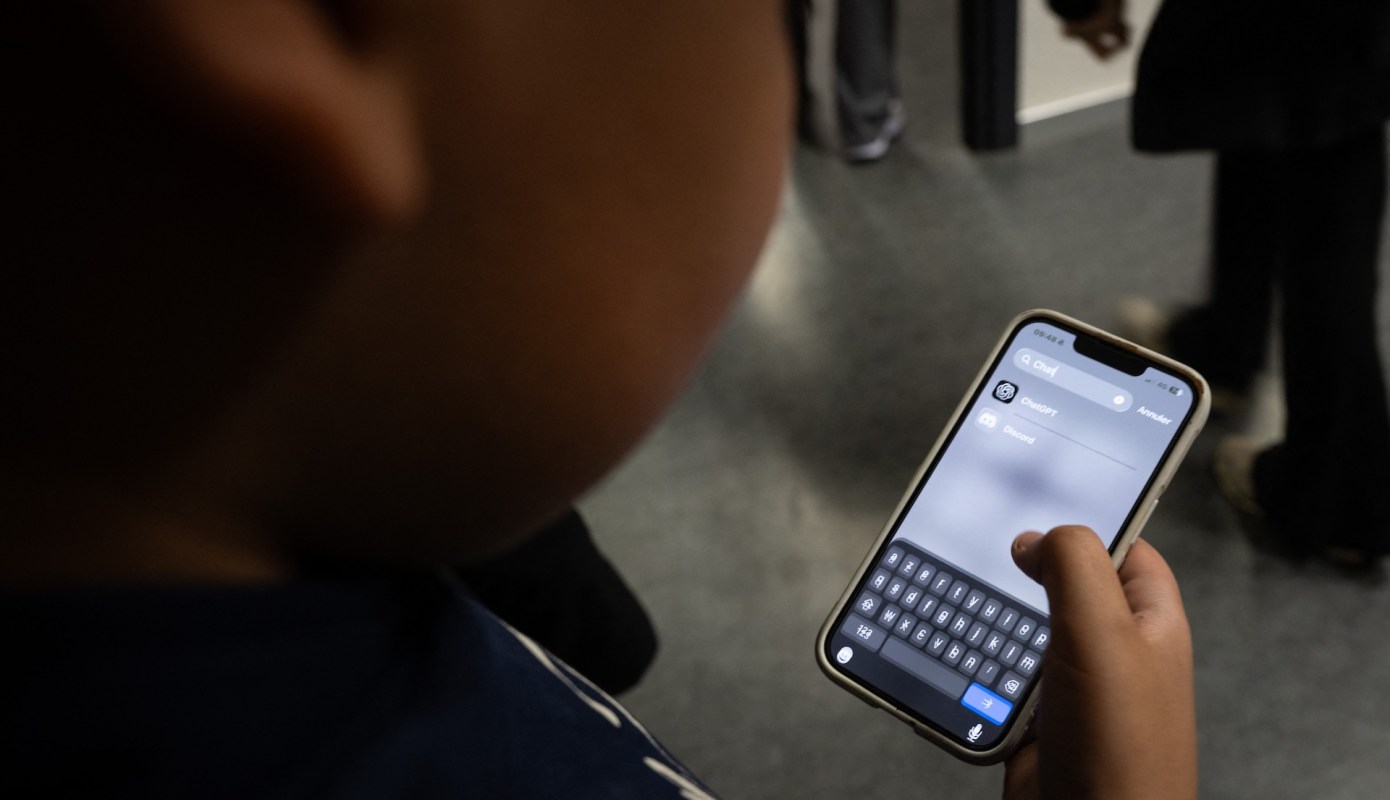
A California lawsuit accuses OpenAI of doing far more than failing to keep children off ChatGPT. The complaint alleges that the company steered minors into sharing deeply personal information and then used those disclosures to help train its AI systems.
Brought as a proposed class action, the case centers on two anonymous plaintiffs, ages 12 and 16, who say OpenAI collected sensitive data from minors without valid parental consent.
Here's what to know
According to Futurism, the complaint was filed in federal court in San Francisco and accuses OpenAI of illegally gathering minors' data, creating profiles of child users, and feeding that information into model training. The filing says the material included "personal secrets and health information" and argues that affected minors should receive financial compensation.
Per the lawsuit, OpenAI's terms of use barred children under 13 in theory, but its age-screening measures were ineffective in practice, and minors could not reasonably be expected to understand the "legalese" in those terms. Per the report, OpenAI did not immediately respond to a request for comment.
One of the plaintiffs, a 12-year-old in Hawaiʻi, allegedly told ChatGPT her age and was still able to continue interacting with the chatbot about emotional struggles and physical insecurities. According to the complaint, she described skipping meals, sent photos of herself, and asked the bot to assess her features.
The lawsuit further alleges that ChatGPT responded by affirming those disclosures, calling the girl "brave" and saying it was "glad" she was sharing her struggles.
TCD Picks » Quince Spotlight
💡These best-sellers from Quince deliver affordable, sustainable luxury for all




More background
The lawsuit comes amid wider scrutiny of AI tools aimed at younger users. OpenAI has promoted "ChatGPT for Teens" as a safer version of the chatbot that mental health and learning professionals helped shape, but the company has also pushed back against an outside review that said the feature did not work as advertised, according to Futurism.
Chatbots are increasingly used for schoolwork, advice, and emotionally charged conversations. In this case, the plaintiffs argue that those interactions crossed a line by turning vulnerable disclosures into training material for a commercial product.
Lead counsel Paul Yetter summarized the minors' claims in stark terms, saying, "The law says that children cannot sign away their rights without their parents' consent."
What's being done?
The complaint asks the court to treat the matter as a class action and award financial compensation to minors whose data OpenAI allegedly collected and used.
Andy Liddell, principal at the Austin-based EdTech Law Center, one of the firms bringing the case, told Futurism that the "hope" is that "if OpenAI has to pay to use kids' data it will ultimately incentivize a safer product."
This case could test whether those safeguards — and the company's age restrictions more broadly — hold up when challenged in court.
Yetter framed the complaint as more than a single chatbot exchange, stating, "We filed this case to hold OpenAI accountable for building a trillion-dollar enterprise on stolen fears, hopes, and secrets of children."
Where can I learn more?
This case is part of a wider debate over ChatGPT, child safety, and AI accountability, as this coverage examines.
• After its IPO filing, OpenAI faced a New York subpoena over minors and data use.
• OpenAI and Microsoft were hit with a disturbing wrongful-death lawsuit after ChatGPT allegedly validated delusions.
• Experts warn AI is reshaping childhood in troubling ways, from play to emotional development.

Get TCD's free newsletters for easy tips, smart advice, and a chance to earn $5,000 toward home upgrades. To see more stories like this one, change your Google preferences here.






