


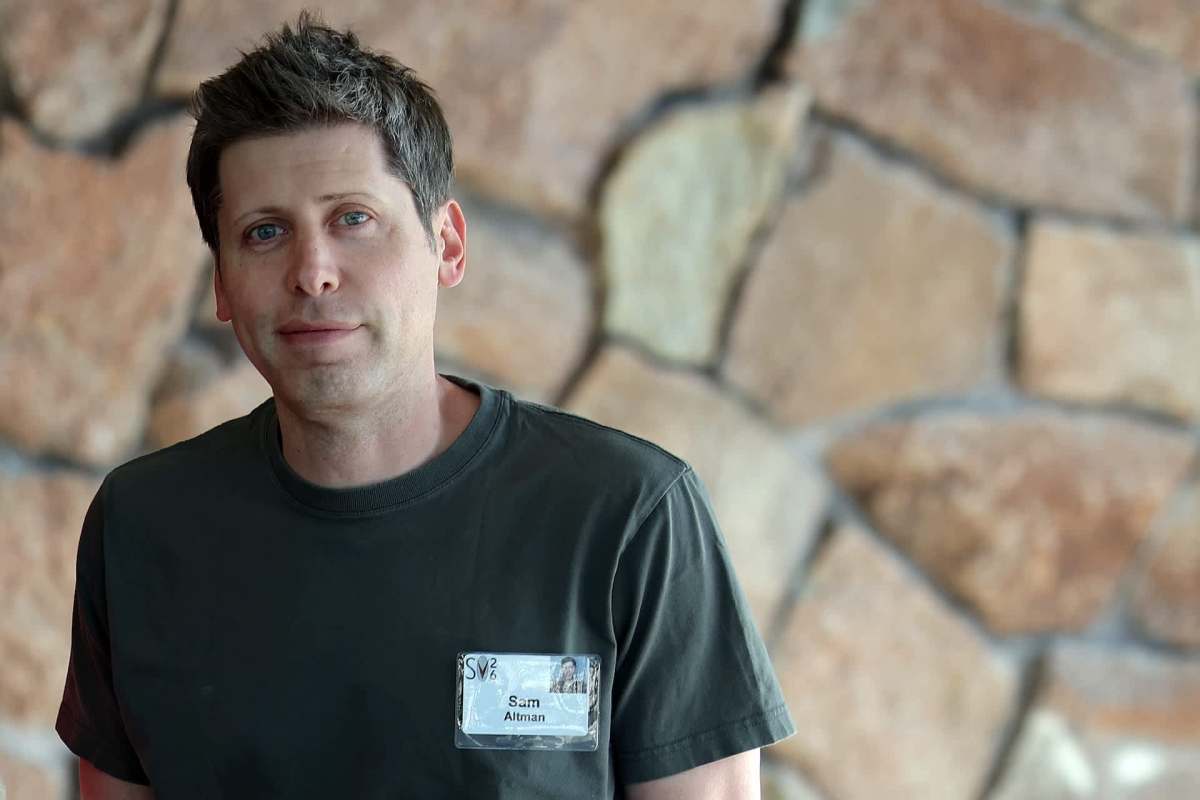
OpenAI CEO Sam Altman claims that while artificial intelligence can create more free time for certain workers and companies, it will never lead to a shorter workweek.
While speaking on the "Relentless" podcast, Altman said that a four-day workweek is not fathomable, even though AI is "promising people that they're going to work less and they're going to have all this leisure."
What's happening?
According to Futurism, Altman told "Relentless" host Ti Morse that he does not "expect AI" to change work for many people.
"I think we're all going to be much busier than we thought we were supposed to be in a post-superintelligence world," Altman said. "We're still going to complain about it, but secretly we're going to be happy."
The CEO said that employees should focus on keeping their heads down and keep working, rather than envisioning this rare perfect work-life balance that people assume AI can implement.
Why does it matter?
AI does not reduce workloads — if anything, the tech intensifies them, Harvard Business Review reported. If AI becomes a tool for asking employees to produce more instead of offloading repetitive tasks, workers may face heavier demands and less say over their own time.
TCD Picks » Quince Spotlight
💡These best-sellers from Quince deliver affordable, sustainable luxury for all




Altman's view has detractors, particularly if one believes there is a cap on required productivity per year. In that case, AI could satisfy such a high percentage of it that there would be less remaining to do.
Elon Musk, for example, believes AI will yield enough benefits that the government will be able to issue "universal high income" checks to help people get by for food and housing without working as much, and politician Pete Buttigieg has similarly called for an "AI dividend" to account for jobs or job hours that AI replaces.
Along those lines, one concern is job loss as companies pursue automation in roles once performed by people. For workers already dealing with economic uncertainty, even the prospect of widespread replacement can be a major source of stress.
AI also has ties to the energy grid. The technology can help manage electricity demand, improve forecasting for wind and solar power, and support cleaner, more efficient systems, MIT News reported.
At the same time, training and running large AI models can require enormous amounts of electricity and water, potentially straining local resources, raising operating costs, and contributing to higher energy bills if growth outpaces infrastructure. The technology also brings risks tied to misuse, security, and unintended social consequences.

Get TCD's free newsletters for easy tips, smart advice, and a chance to earn $5,000 toward home upgrades. To see more stories like this one, change your Google preferences here.






