


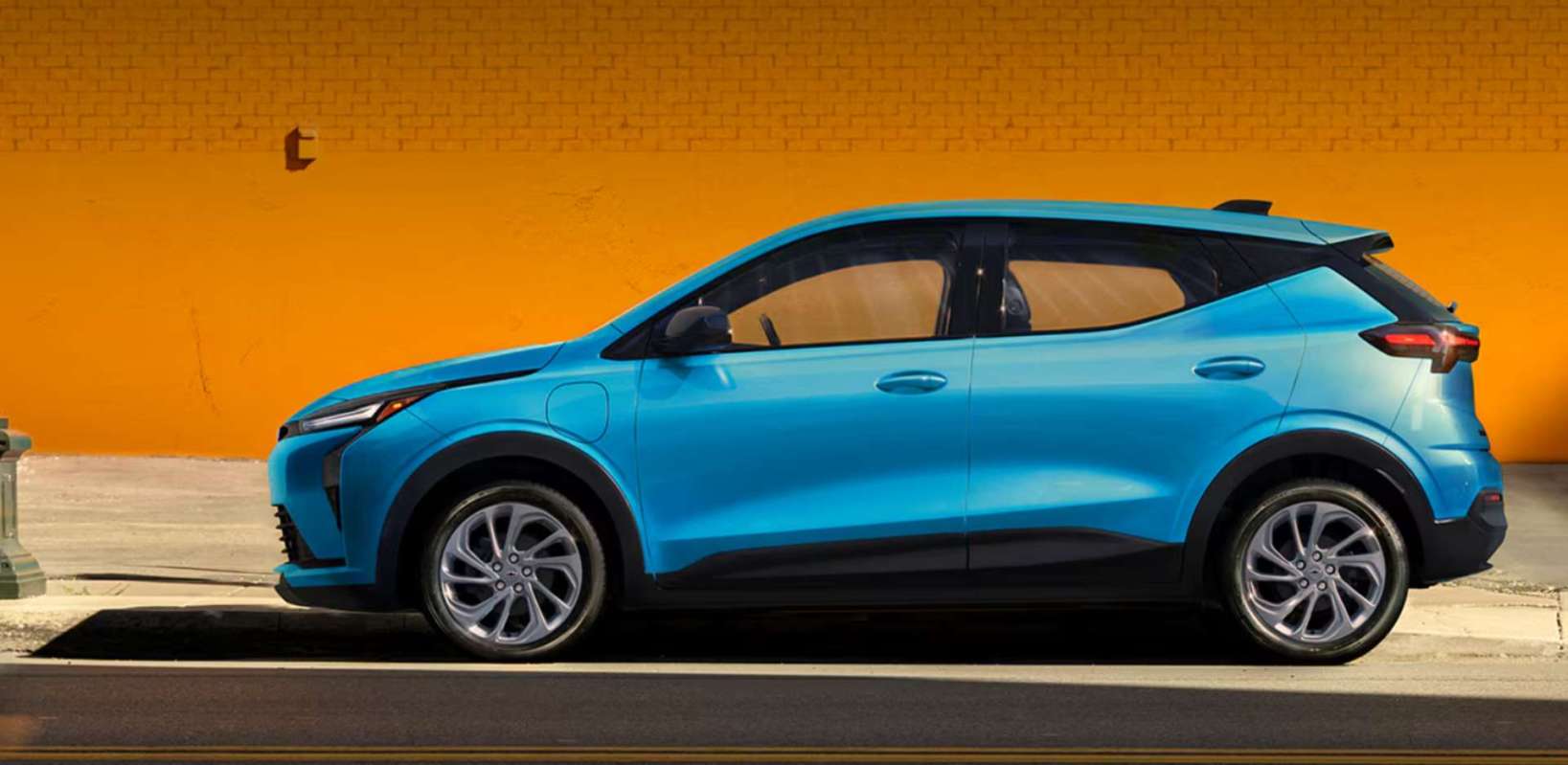
Buying an affordable EV is supposed to be a practical decision with objective pros and cons.
But for one shopper in Canada, the calculation got complicated as they decided whether to buy a Chevrolet Bolt or wait for BYD's widely discussed Dolphin.
Here's what to know
The question came from an Ontario buyer turning to the r/BoltEV subreddit to decide whether to purchase a Bolt LT or hold off for BYD's compact EV.
In a Reddit thread, the original poster wrote: "Currently deciding between a Bolt LT at 41k all in (incl taxes) and waiting for the BYD Dolphin."
They asked owners what tipped them toward the Chevy and what to consider before deciding.
Many of the replies favored the Bolt for a simple reason. It already has a foothold, as demonstrated by a vibrant Reddit community. Commenters repeatedly returned to the comfort of existing dealers, easier access to parts, and a service network buyers can count on instead of one that may take time to develop.
TCD Picks » Quince Spotlight
💡These best-sellers from Quince deliver affordable, sustainable luxury for all




The discussion also touched on materials and day-to-day livability.
"The Bolt interior is nicer and will age better than the Dolphin," one commenter wrote.
Another pointed out that some Dolphin versions sold abroad have smaller battery packs than the Bolt. One commenter was particularly harsh on the model.
"Chinese cars sound nice on paper but in my experience with the BYD Dolphin it's a tin can with a battery, the Bolt feels more solid all around and way more reliable," they wrote.
More background
Affordable EVs remain one of the biggest sticking points for shoppers hoping to cut gas costs without paying luxury-car prices. The Bolt has long drawn attention as a relatively accessible all-electric hatchback, while the BYD Dolphin has built a reputation in other markets as a budget-friendly compact EV.
EVs can lower ownership costs in meaningful ways. Home charging is often much cheaper per mile than paying for gasoline, and drivers also avoid oil changes.
Still, those savings matter only if the vehicle is reliable and easy to service. In the thread, concern about after-sale support kept resurfacing. Buyers worried that a thinner Canadian presence could mean harder warranty claims, slower parts sourcing, or long drives for repairs, particularly outside the largest cities.
What can be done?
Comparing total ownership costs rather than focusing only on sticker price means looking at taxes, insurance, charging costs, expected winter range, battery warranty, and the distance to the nearest qualified service center.
Ontario weather changes the calculation too. One commenter urged buyers to "be VERY aware of the Bolt LT trim." The commenter added, "Imagine not having heated seats and steering wheel in Ontario, Canada. Hard pass."
How a driver expects to charge the car can matter just as much. Someone who plugs in at home every night may not care as much about weaker fast-charging performance, while a buyer who depends on public chargers or plans frequent longer trips may put far more emphasis on charging speed and network support.
Some commenters were jealous of the original poster's predicament.
"I wish I even had the opportunity to add BYD Dolphin to something I was considering," an envious commenter shared.
Where can I learn more?
The affordable EV market is one that is still evolving and facing perceived hurdles from some consumers.
• In the U.K., BYD pushed cheap compact EVs closer to mainstream-car territory.
• Persistent doubts about price and carbon still cloud EV decisions for first-time buyers.
• A Nissan Leaf owner described the unexpected reality of owning an EV amid lingering myths.

Get TCD's free newsletters for easy tips, smart advice, and a chance to earn $5,000 toward home upgrades. To see more stories like this one, change your Google preferences here.






