


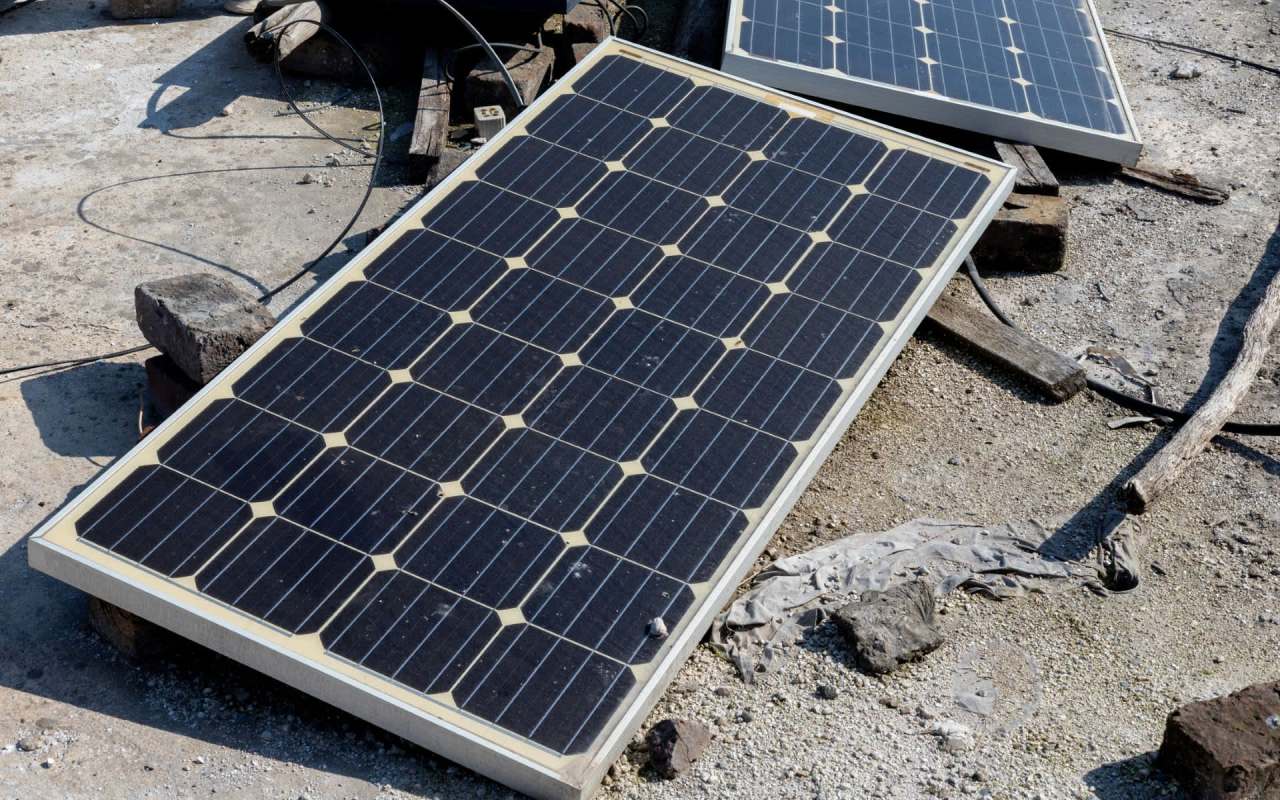
An owner trying to squeeze a little more life out of aging solar panels raised a question many homeowners eventually face: When old panels lose output, is it mostly amps, volts, or both? The answer matters for anyone hoping to safely reuse older equipment during a blackout instead of rushing into an expensive replacement.
Here's what to know
In a post on Reddit, the owner explained: "I have some very old 240watt panels that seem to max out at 200watts due do expected degradation." They were considering a 2p2s setup to charge a power station and asked, "What I am curious about is if degradation shows up as less amps, less volts, or a little of each when supplying something like an inverter that doesn't limit the panels output current?"
One commenter wrote, "The Isc is the shorted circuit current rating, Voc is the open circuit voltage rating. In use the voltage and current values will both be lower." Another added, "Power will drop more proportionately than either Isc or Voc, but it all degrades."
For homeowners thinking beyond a temporary fix, going solar is one of the best ways to save money on home energy. It can be worth using EnergySage to get free solar installation estimates and compare quotes before committing to new equipment.
The original poster also noted how real-world conditions complicate the math, saying, "Heat also really swings performance on these."
More background
Even when an older panel no longer reaches its original rating, it can still have practical value. A diminished panel may still help power essential devices, charge batteries, or cut some reliance on grid electricity.
Mismatch is part of the challenge with worn panels. One unit may lose more current than another, and that imbalance can pull down the performance of a paired configuration, which is why one commenter wrote, "Try to pair panels that match in output to optimize 2s2p performance."
What can be done?
Adding battery storage to a solar setup is one of the best ways to protect your home during outages and save money on energy. It can store daytime solar power for use after sunset or when the grid goes down. You can explore EnergySage for information about home battery storage options, including competitive installation estimates.
Save $10,000 on solar panels without even sharing your phone number Want to go solar but not sure who to trust? EnergySage has your back with free and transparent quotes from fully vetted providers that can help you save as much as $10k on installation. To get started, just answer a few questions about your home — no phone number required. Within a day or two, EnergySage will email you the best local options for your needs, and their expert advisers can help you compare quotes and pick a winner. |

EnergySage's free tools can also make a full solar upgrade easier to price out. With EnergySage's help, the average person can save up to $10,000 on solar purchases and installations. EnergySage's solar map shows the average cost of a home solar panel system by state, along with details on solar panel incentives for each state.
Where can I learn more?
These related stories cover how panels produce power, the maintenance issues that can chip away at output, and the bigger decisions homeowners face when they're trying to repair, reuse, or replace older rooftop equipment.
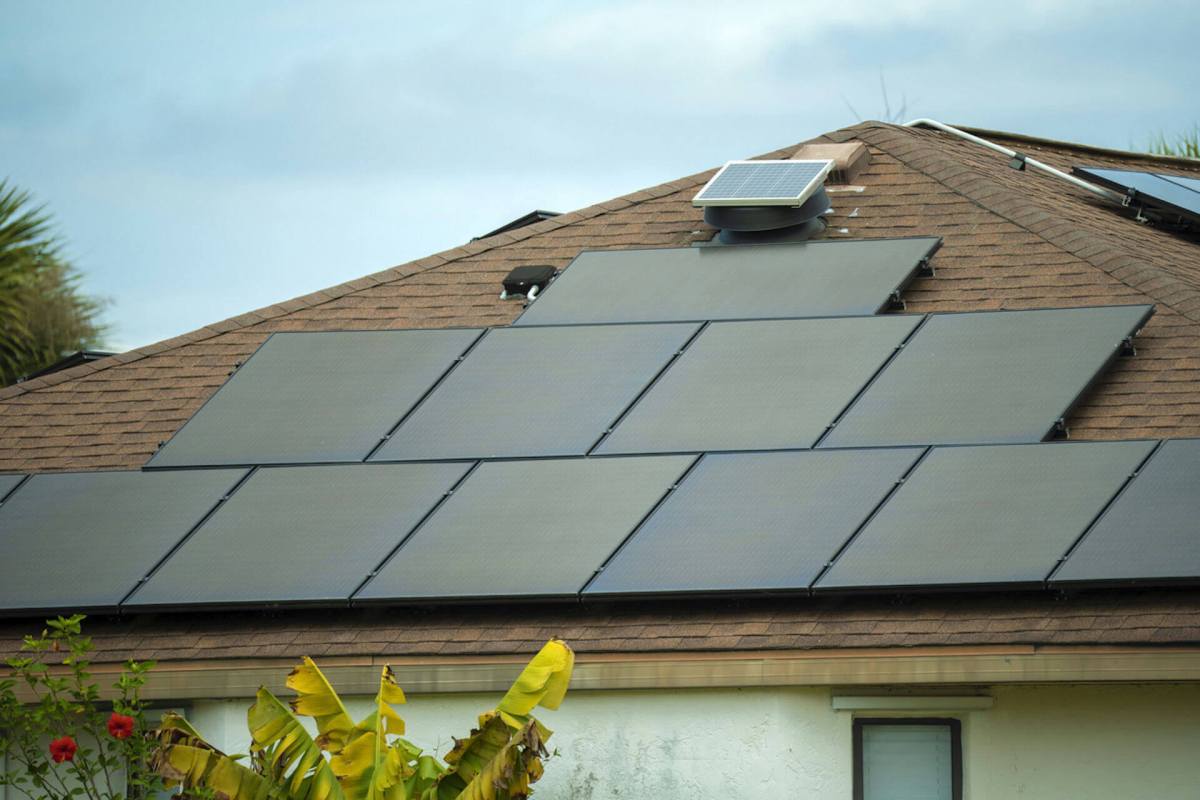
• On rooftops, how solar panels work explains why wattage falls as volts and amps decline.
• For many households, powering your home with solar becomes simpler after comparing system options.
More From EnergySage
💡Go deep on the latest news and trends shaping the residential solar landscape


• At home, the best use of extra electrons can make modest solar production go farther.
Looking at the full picture makes it easier to see why testing each old panel is only part of the job. Homeowners also need to weigh the setup as a whole before deciding whether to clean, reconfigure, add storage, or replace aging equipment.

Get TCD's free newsletters for easy tips, smart advice, and a chance to earn $5,000 toward home upgrades. To see more stories like this one, change your Google preferences here.






