


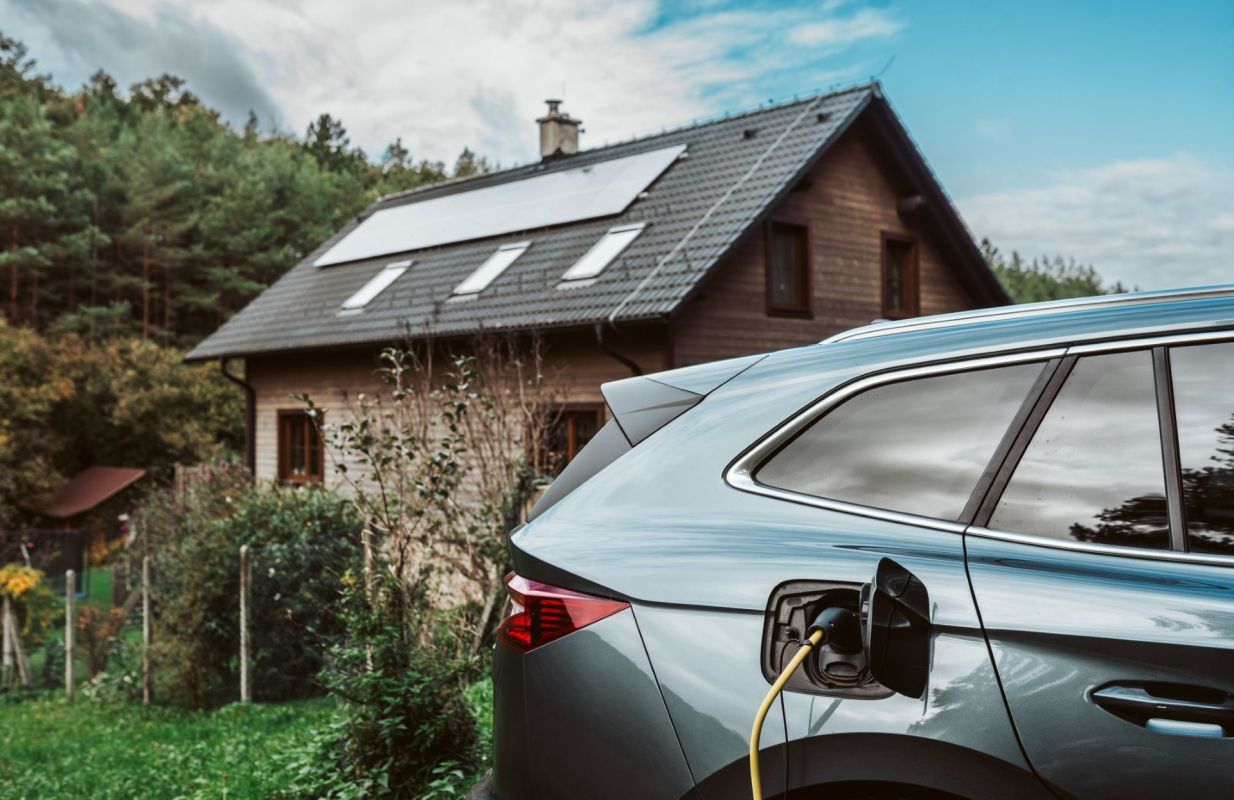
After installing rooftop solar, home batteries, and buying an electric vehicle, one Oklahoma homeowner said the utility blocked them from accessing a discounted overnight EV charging rate.
Here's what to know
The complaint surfaced in a thread on Reddit's r/Solar community. The resident, who said they live in Tulsa, Oklahoma, reported having about 14 kW of solar, 48 kWh of battery storage, and a Sol-Ark inverter.
This original poster also said PSO, an electric utility in Oklahoma, denied enrollment in its EV pricing plan after they bought an electric vehicle because the home includes a renewable energy source.
The OP wrote, "When I went to find out about the special EV power rate, I found it denied to me… I can't get the sweet EV power rate between 11:00 p.m. and 6:00 a.m. Has anyone else experienced this in their region with their power company?"
They added, "I feel like I'm being penalized for doing the right thing."
Replies indicated the restriction may be more common than just one utility's rule. One commenter wrote, "Same thing now in CA. If you get Solar you can no longer get the EV specific rate plan." Another said, "PSE in Washington does the same thing, if you have solar + battery you can't use any TOU rates."
TCD Picks » Quince Spotlight
💡These best-sellers from Quince deliver affordable, sustainable luxury for all




These policies are especially concerning because for many solar households, shifting usage that way is a major reason to install batteries in the first place.
More background
Time-of-use and EV-specific rates are meant to encourage people to move electricity use away from peak hours, helping the grid run more efficiently while lowering household energy bills. In theory, customers with solar and batteries can help because they can store energy and avoid drawing as much power during high-demand periods.
As one commenter put it, "The TOU rate gives you the price signal to set your battery in a way that lowers the burden on the grid and saves you money. It's supposed to be a win/win."
Policies that block certain customers from cleaner, more flexible rate plans can also slow broader progress. If households that invest in solar, storage, and EVs run into added red tape or reduced savings, others may think twice before making similar upgrades.
Where can I learn more?
This Oklahoma dispute is part of a bigger pattern. Homeowners who add solar, batteries, or EV charging can still run into utility rules, HOA restrictions, or state policies that chip away at the savings those upgrades are supposed to bring.
• In Missouri, homeowners pushed back after questionable new HOA rules threatened solar panel access.
• A bill left EV owners facing extra cost of ownership through higher registration fees.
• One homeowner faced a ridiculous HOA insurance requirement before installing an EV charger.
Each case is a reminder that fine-print rules can change the real cost of driving electric or generating power at home. For anyone considering solar, storage, or an EV, those details can matter nearly as much as the equipment itself.

Get TCD's free newsletters for easy tips, smart advice, and a chance to earn $5,000 toward home upgrades. To see more stories like this one, change your Google preferences here.






