


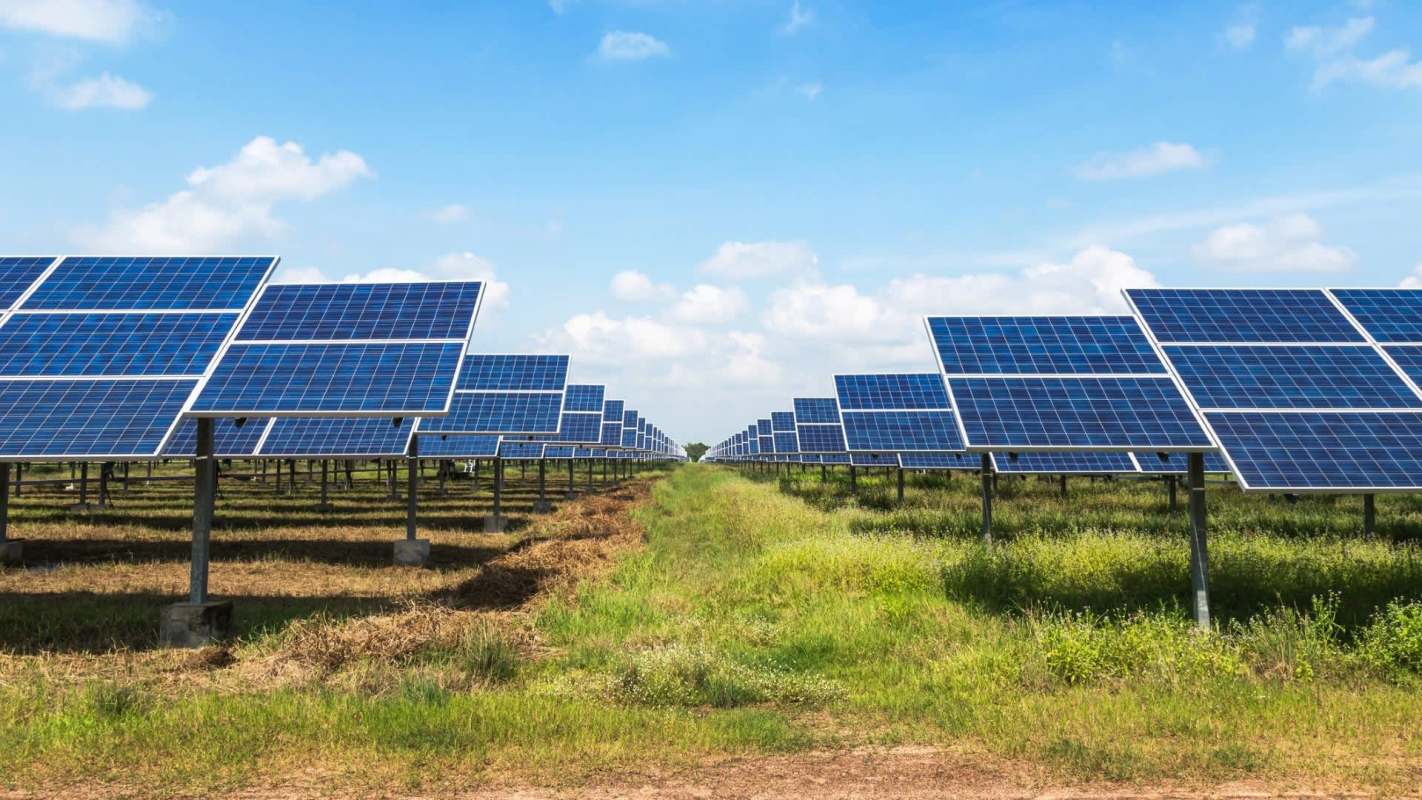
In Ohio, disputes over solar farms increasingly revolve around farmland, with critics arguing that renewable energy projects are taking over productive agricultural ground.
However, new mapping from the solar industry indicates that the amount of land involved is far smaller than the claims suggest.
What's happening?
According to Canary Media's reporting on a new map from the Solar Energy Industries Association, utility-scale solar occupies less than one-seventh of 1% of Ohio's prime farmland.
Canary Media reported that of the 37 square miles that Ohio has devoted to solar generation, about 31 square miles fall on land that the U.S. Department of Agriculture classifies as prime farmland. By comparison, other land uses are much larger: golf courses cover more than 2.7 times that area, and suburban growth from 2014 to 2024 consumed more than five times as much.
For homeowners, going solar is one of the best ways to save money on home energy. If you're curious about rooftop panels, EnergySage offers free tools to get quick solar installation estimates and compare quotes.
In Ohio and elsewhere, worries about losing farmland have become a central argument used against large-scale solar development. Those concerns have helped lead to county-level bans, tougher siting rules, and similar restrictions in states including Idaho and Wisconsin.
Why does it matter?
The debate comes as Ohio and other states work to rapidly increase their electricity production capacity in order to address the skyrocketing demand for power. Andrew Linhares, the Midwest state affairs director for the SEIA, said, "With energy demand rising at a historically fast rate, Ohio needs every electron it can get, as soon as possible."
Notably, a large part of Ohio's agricultural lands are already being used for energy production of a different kind. Ohio farmers grew corn on more than 3.1 million acres last year, and roughly 40% of that crop is used for ethanol — context solar supporters say is often missing from the farmland debate. A 2025 Cornell University study cited by Canary Media found that corn ethanol uses about 30 times more land per unit of energy than solar.
Save $10,000 on solar panels without even sharing your phone number Want to go solar but not sure who to trust? EnergySage has your back with free and transparent quotes from fully vetted providers that can help you save as much as $10k on installation. To get started, just answer a few questions about your home — no phone number required. Within a day or two, EnergySage will email you the best local options for your needs, and their expert advisers can help you compare quotes and pick a winner. |

Tom Bullock, executive director of the Citizens Utility Board of Ohio, noted that other forms of development can permanently take agricultural land out of production. Solar built on leased land, by contrast, "doesn't destroy the ability to make it arable land once again."
What's being done?
Some Ohio advocates argue that stronger local land-use planning could reduce the tension around solar development.
Dale Arnold, director of energy, utility, and local government policy for the Ohio Farm Bureau Federation, said, "Land use planning, not necessarily at a federal or even regional level, but at a local level … has got to be critical."
Meanwhile, projects throughout the state have been experimenting with ways to combine agriculture with energy generation, including sheep grazing and crops grown between rows of solar panels.
More From EnergySage
💡Go deep on the latest news and trends shaping the residential solar landscape
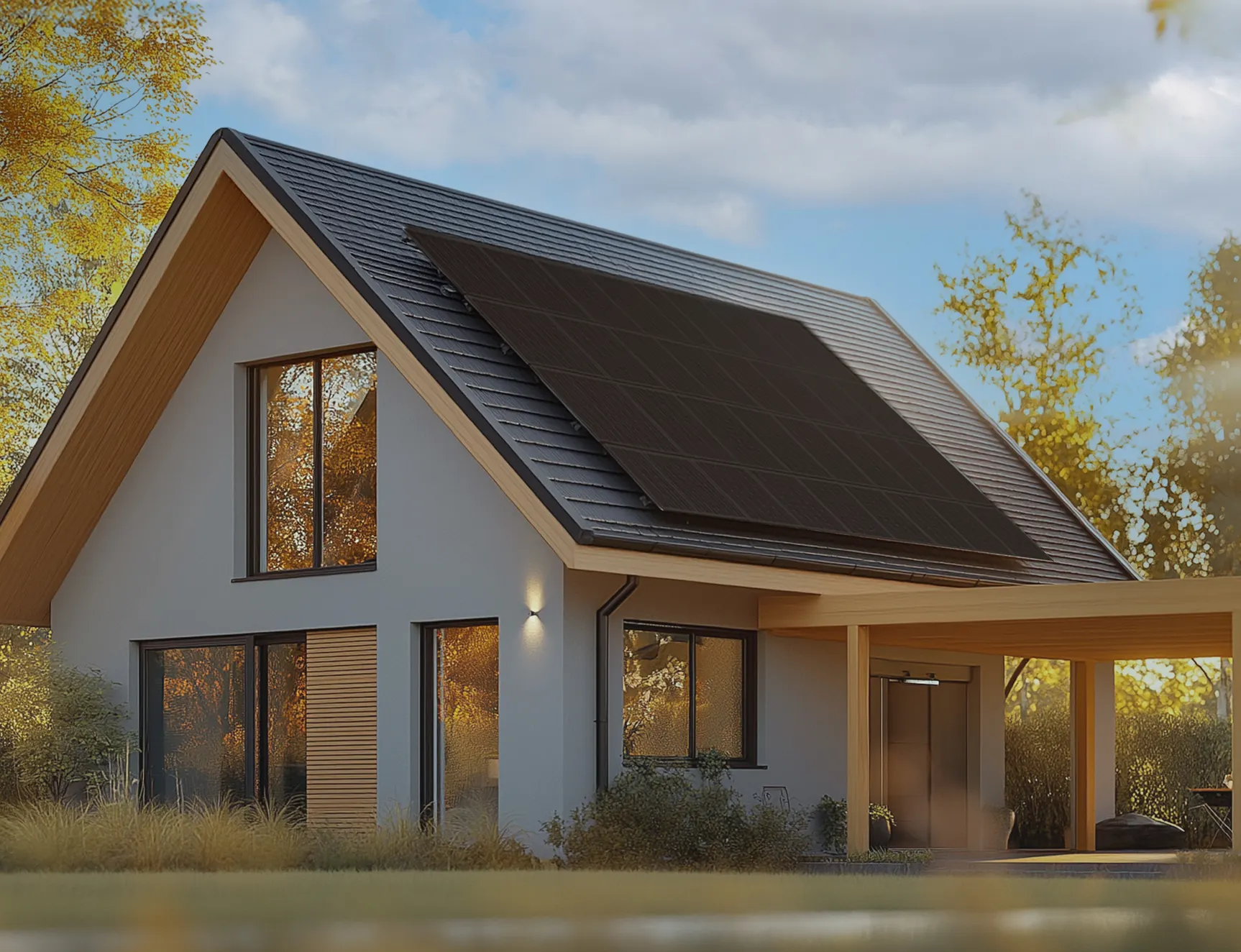
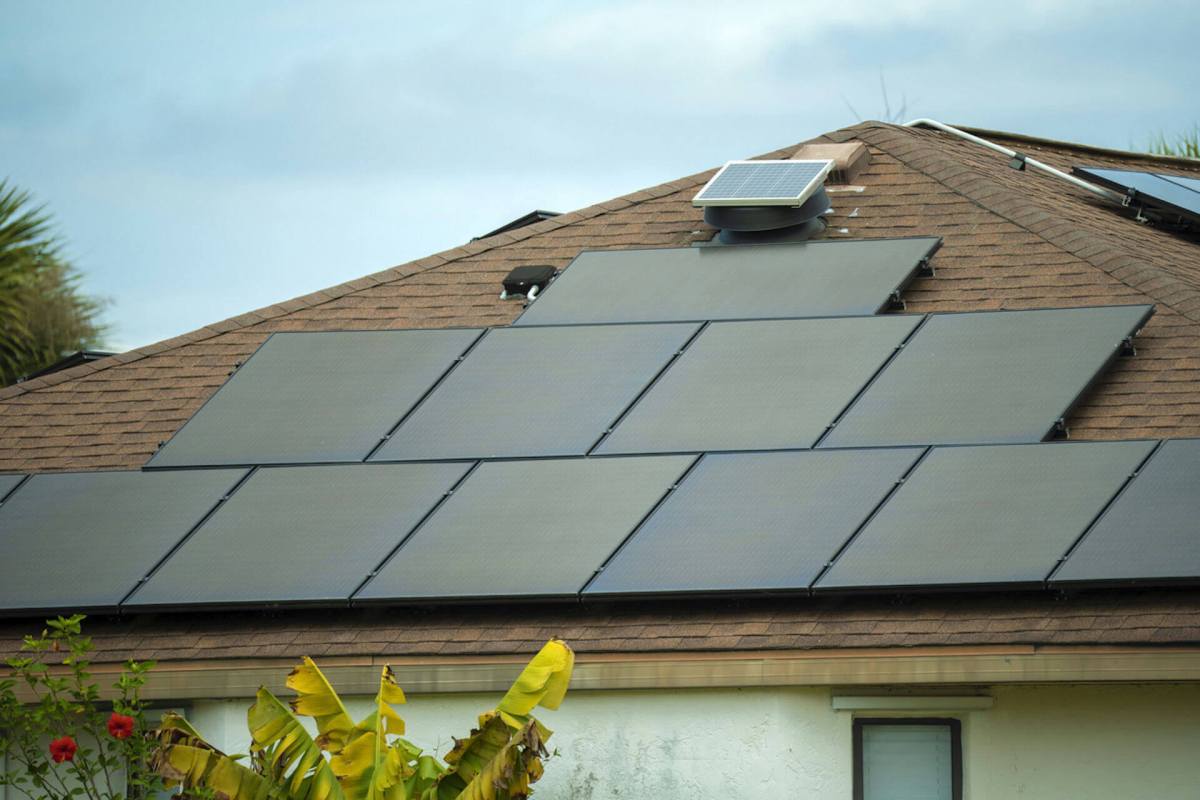
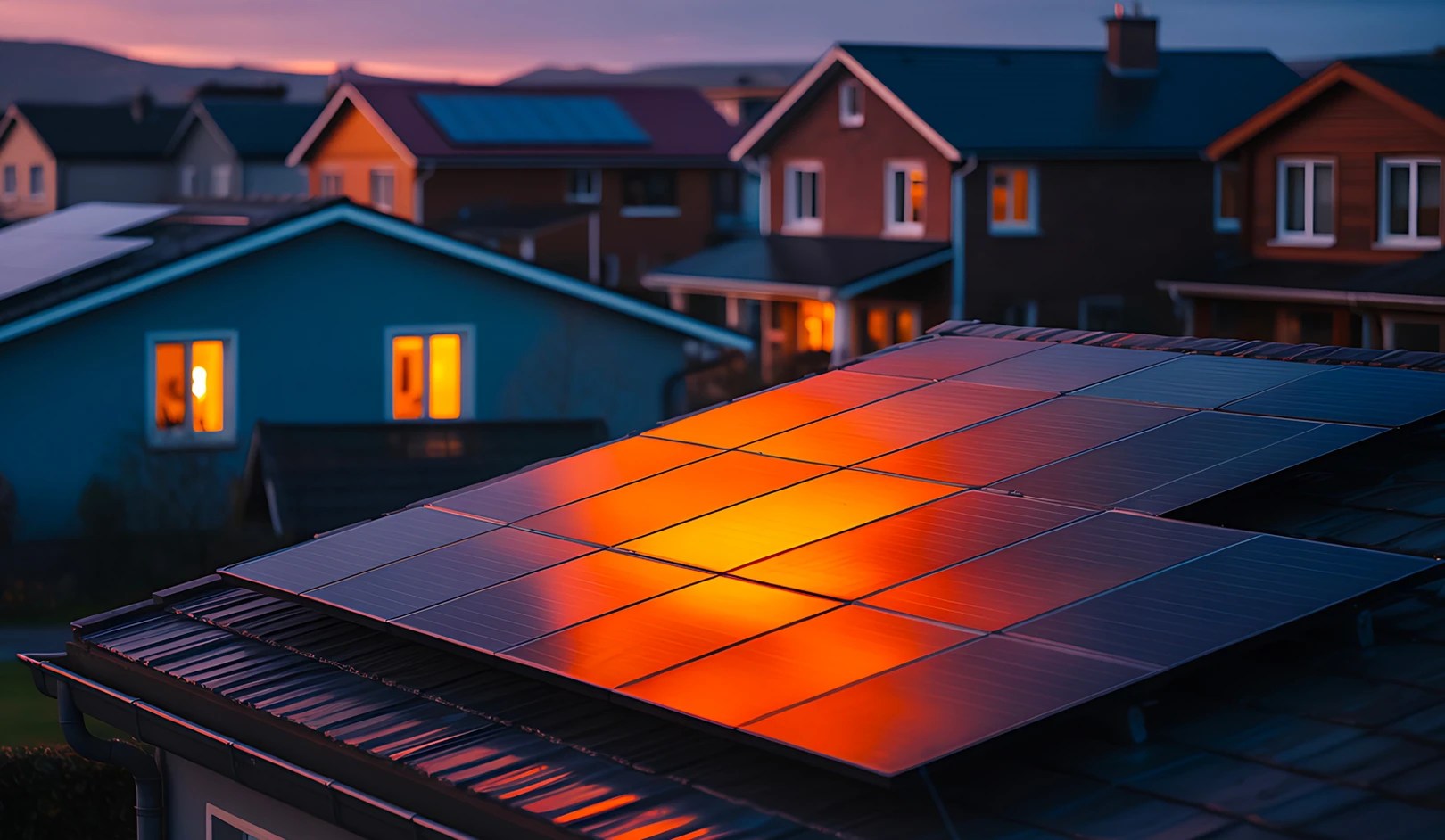

EnergySage's free services can help simplify the process for people considering rooftop solar. With EnergySage's help, the average person can save up to $10,000 on solar purchases and installations. And EnergySage's solar map shows the average cost of a home solar panel system on a state-by-state level, along with details on solar panel incentives for each state, so together these resources can help readers get the best price for rooftop solar panels and access available incentives.
Adding battery storage to a solar setup is one of the best ways to protect your home during outages and keep key appliances running when the grid goes down. It can also help you save money on energy and move closer to going off-grid. To learn more, explore EnergySage's free tools for information about home battery storage options, including competitive installation estimates.
As for large-scale solar projects in agricultural areas, Karin Nordstrom, an attorney with the Ohio Environmental Council, has noted, "Achieving a clean energy future does not have to be a choice between agriculture and energy production."

Get TCD's free newsletters for easy tips, smart advice, and a chance to earn $5,000 toward home upgrades. To see more stories like this one, change your Google preferences here.






