Residents in southeast Ohio are objecting to a proposed plastic factory, saying it could threaten local water and air quality.
During a county commissioners meeting, people challenged whether the company's promises were sufficient, especially given possible effects on nearby neighborhoods and the Hocking River, according to WOUB.
What happened?
According to WOUB, if the proposal comes from Canadian company CCC Plastics, and, if approved, the facility would be its first in the U.S. The manufacturer is negotiating with the Athens County Port Authority to lease an industrial building where it would make plastic pellets for use by other companies.
Despite public health and environmental concerns, Mollie Fitzgerald, who heads the Athens County Economic Development Council and manages Port Authority operations, told WOUB she recognizes the concern surrounding the proposal.
"I know there are a lot of concerns about the environmental and health impacts of the company," Fitzgerald said.
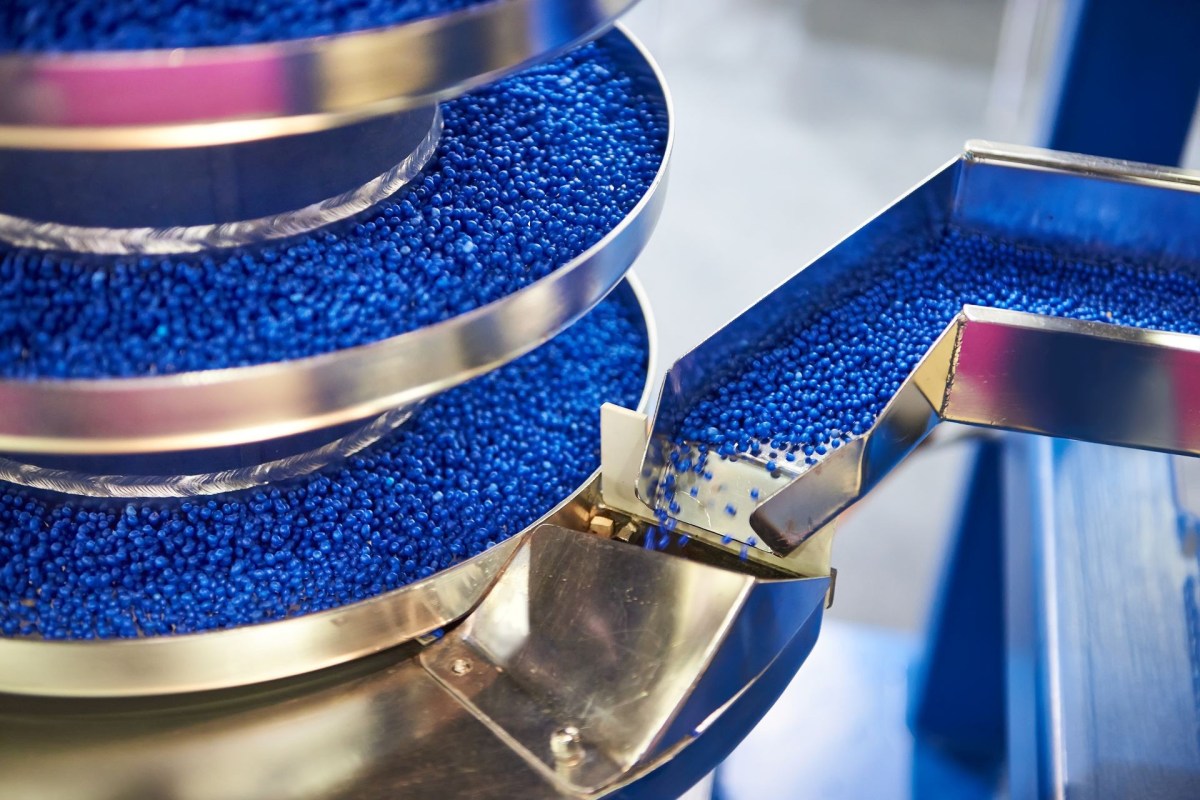
Port Authority officials said, as reported by the outlet, the facility would produce extruded pellets by combining resins with pigments and additives. They described the byproducts as limited, listing machinery oil, dust created during resin grinding and pellet cutting, and packaging waste.
TCD Picks » Quince Spotlight
💡These best-sellers from Quince deliver affordable, sustainable luxury for all




WOUB also reported that the Port Authority said the site would neither use nor store flammable liquids, corrosives, solvents, oxidizers, or regulated bulk chemicals.
Many residents said that still was not enough. They asked for a complete list of chemicals, fuller information about any air emissions, and a clearer explanation of what could enter the wastewater system.
Why does it matter?
For people living nearby, the concerns surround questions about what materials the plant could release into the air, what could get into the water, and who would be responsible if problems arise.
WOUB reported that a recurring concern is whether chemicals from the facility could make it through the county treatment system and eventually reach the Hocking River.
Beyond the technical questions, some residents said the debate is also about trust. In a region they say has seen industrial harm before, they are skeptical that companies fully disclose risks at the beginning.
One resident put it bluntly, as reported by WOUB: "I don't as a person who lives in this community — we don't trust companies. They've lied to us historically in this region."
What's being done?
Fitzgerald said she would seek more detailed information from CCC about chemical use, hazardous waste, and potential effects on wastewater.
WOUB reported that residents also want the company's environmental and health commitments written into the lease itself, saying that would create a clearer basis for accountability.
Fitzgerald also said there is currently no plan for an independent third-party review of the proposal. Instead, WOUB reported, the company would be overseen by the Ohio Environmental Protection Agency and the federal Occupational Safety and Health Administration.
That response did not reassure everyone at the meeting, especially residents who fear enforcement may be too weak or that some substances involved may not be covered by existing rules.
Fitzgerald said, as WOUB reported, she feels confident CCC Plastics will "be a very responsible tenant with minimal environmental and health impacts — no environmental health impact."

Get TCD's free newsletters for easy tips, smart advice, and a chance to earn $5,000 toward home upgrades. To see more stories like this one, change your Google preferences here.