The world's oceans hold an almost unimaginable amount of water — enough to fill the Grand Canyon more than 300,000 times.
But that enormous buffer is changing in a way most beachgoers would never notice directly: It is becoming more acidic. That makes life harder for corals, oysters, and clams, and it could add pressure to the coastal communities that rely on them, according to Yale Climate Connections.
Here's what to know
Burning fossil fuels such as oil and gas sends carbon dioxide into the atmosphere.
About one-third of that carbon dioxide is taken up by the ocean, where it combines with water and forms carbonic acid.
Compared with preindustrial times, ocean acidity is up by about 30%.
A person standing on the shore would not notice that shift, but marine ecosystems can be strongly affected.
TCD Picks » Quince Spotlight
💡These best-sellers from Quince deliver affordable, sustainable luxury for all




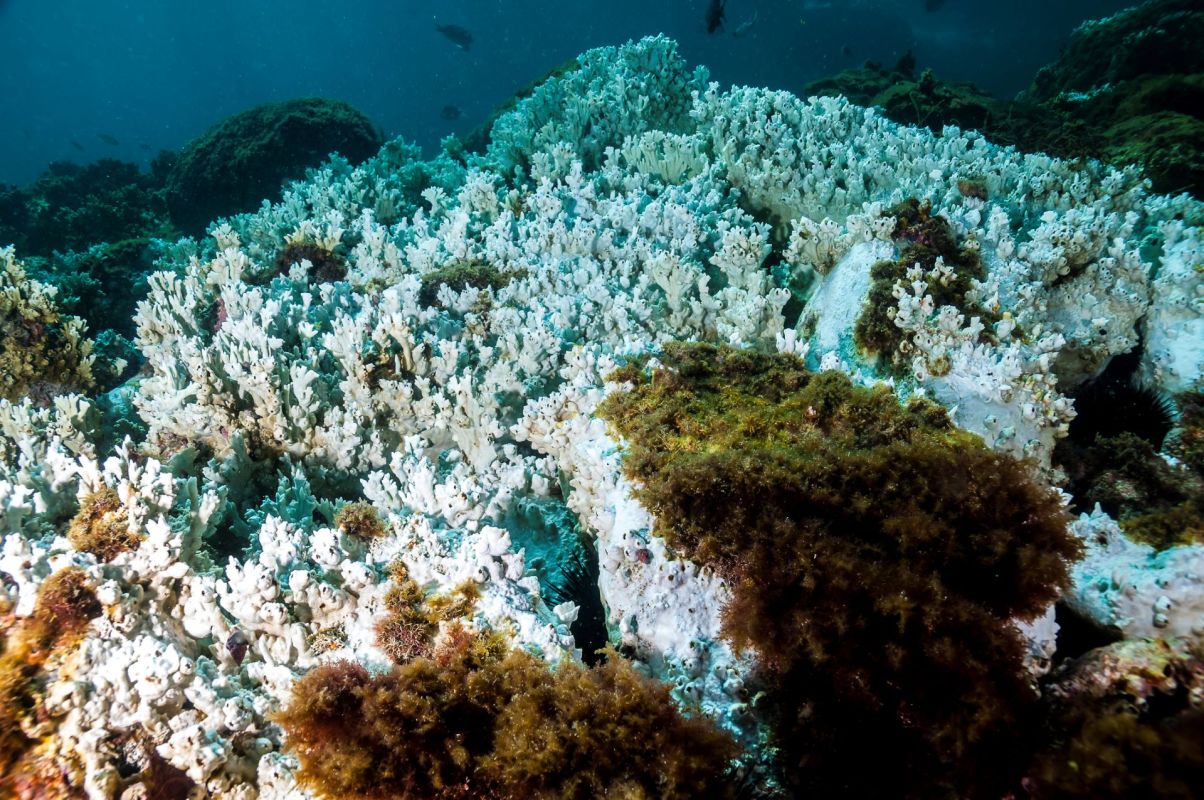
For corals, oysters, and clams, carbonate is a crucial ingredient. They combine calcium and carbonate ions to make calcium carbonate — the material in coral skeletons and in oyster and clam shells. More acidic water leaves less carbonate available.
That means reef-building corals can struggle to grow, while shellfish can have a harder time forming and maintaining strong shells.
The consequences are not only ecological.
If acidification worsens as more carbon pollution enters the atmosphere, some shellfish populations — and the jobs and income linked to harvesting them — will be threatened.
More background
Ocean acidification is one of the clearest examples of how planet-heating pollution moves through natural systems and into everyday life.
A problem that starts with tailpipes, smokestacks, and fossil fuel use does not remain in the air — it changes the chemistry of the waters that support reefs, fisheries, and entire food chains.
Coral reefs support biodiversity and protect coastlines from storm damage.
Shellfish industries, meanwhile, create jobs, support local businesses, and provide critical food supplies in many coastal regions.
When corals weaken or shellfish struggle, the damage compounds.
Communities face economic strain, and ecosystems become less resilient — especially for people whose incomes depend heavily on healthy waters.
The change is already significant, and continued carbon pollution only increases the risk.
What can be done?
Reducing the carbon pollution driving the problem is the most direct response.
Because ocean acidification starts with excess carbon dioxide in the atmosphere, cutting reliance on fossil fuels is critical to protecting marine life and coastal economies.
Policies that expand clean energy, improve efficiency, and reduce pollution from transportation and industry help slow the chemical changes in the ocean.
Personal choices will not solve acidification on their own, but using less energy at home, choosing cleaner transportation when possible, and supporting leaders and policies that speed the transition away from oil and gas all help lower planet-heating pollution.
Healthier seas support stronger fisheries, more resilient coastlines, and better prospects for the communities that rely on them most.
Preventing carbon pollution is essential to protecting marine life and coastal communities alike.
The more pollution is reduced, the better the chances that oceans can continue supporting corals, shellfish, and the people whose futures depend on them.
Where can I learn more?
Ocean acidification does not happen in isolation, and these stories look at what changing ocean chemistry can mean for reefs and how it intersects with other climate pressures bearing down on marine ecosystems.
• On coral reefs, increasingly acidic water is changing the social behavior of fish.
• Across the world's oceans, a troubling triple threat is intensifying pressure on marine life.
• Around the globe, marine heat waves are adding stress to already changing seas.
Read side by side, they put acidification in the broader picture of ocean change. The overlap between these stressors makes the need to reduce carbon pollution even clearer.

Get TCD's free newsletters for easy tips, smart advice, and a chance to earn $5,000 toward home upgrades. To see more stories like this one, change your Google preferences here.