


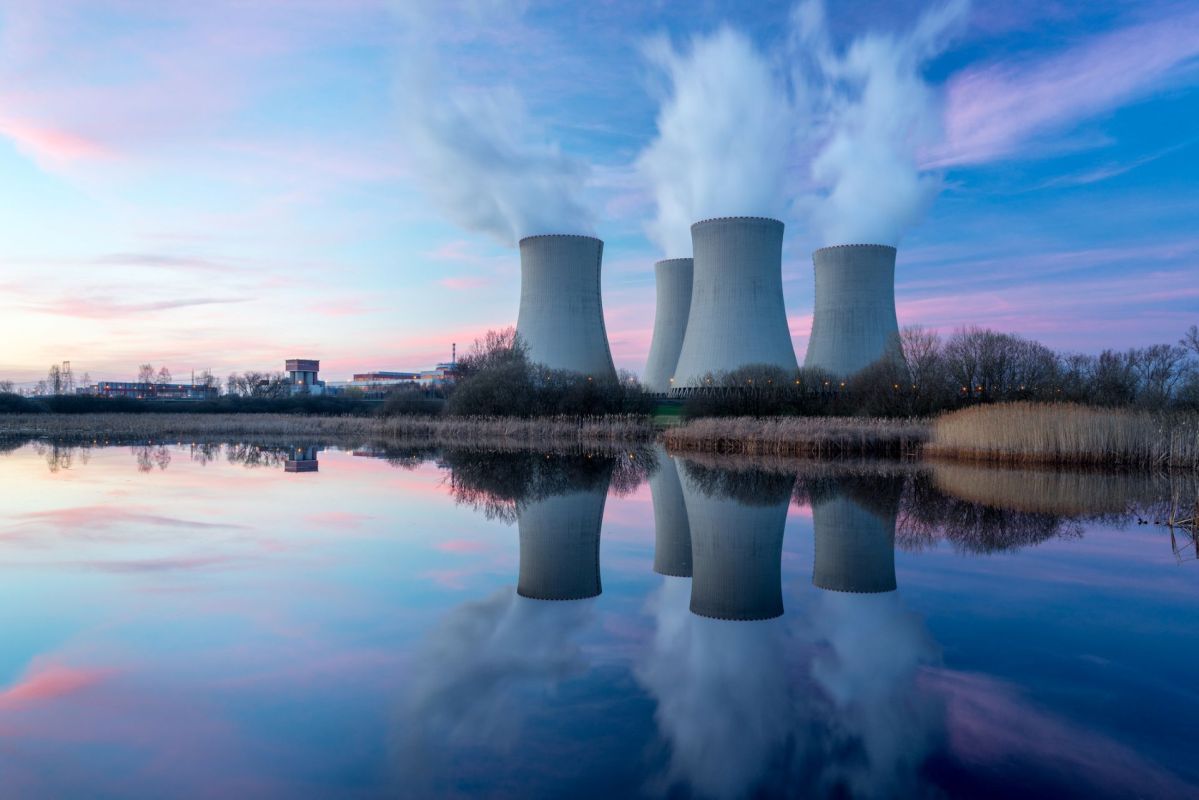
A new three-country alignment is taking shape as Japan, South Korea, and the United States increasingly treat nuclear expansion as both a dependable power strategy and part of wider regional security planning.
According to OilPrice.com, that turn is being driven by rising electricity needs; concern over disruptions to coal, oil, and gas supplies; and an effort to curb the reach of Chinese and Russian reactor vendors.
Here's what to know
In both Japan and South Korea, long-range energy planning gives nuclear power a big role, and that shift is happening alongside coordination with Washington. The three countries formalized that cooperation through an agreement focused on small modular reactors.
The shift reaches beyond electricity policy.
"Together, the two countries are reshaping the nuclear politics of Northeast Asia and doing so increasingly in concert with Washington, as energy policy folds into the broader architecture of trilateral security cooperation," The Diplomat said, per OilPrice.com.
Competition is only one reason for the push. Nuclear energy is also being promoted as a way to support climate action goals and strengthen grid reliability since reactors can produce large volumes of low-carbon electricity continuously.
TCD Picks » Quince Spotlight
💡These best-sellers from Quince deliver affordable, sustainable luxury for all




Even so, expanding nuclear power remains highly contentious because of enduring safety concerns, which carry particular force in Japan after the 2011 Fukushima disaster.
More background
After Fukushima, Japan moved toward phasing out nuclear power, but concerns about energy independence and the changing climate have brought it back to the center of policy debate. South Korea, by contrast, has kept advancing its nuclear sector even through political turnover.
The shift is unfolding within a wider global energy squeeze. Governments are trying to satisfy growing electricity demand; cut planet-warming pollution; and avoid becoming too dependent on unstable coal, oil, and gas supply chains. Conflicts that have rattled energy markets have added to that urgency.
"With energy security now ranking alongside climate commitments as a top policy priority, nuclear power appears positioned to play a central role in the global electricity landscape through mid-century," Foreign Policy Journal wrote, as OilPrice.com noted.
What's being done?
The most concrete move is the trilateral SMR agreement. It aligns the countries' nuclear industries and provides an alternative to Chinese and Russian reactor vendors in Asia and beyond.
As the U.S. Department of State said, per OilPrice.com, the memorandum "outlines opportunities for our three countries, which have complementary advantages in the civil nuclear field, to encourage mutually beneficial cooperation among their respective nuclear industries."
The statement noted that the framework looks to "foster fleet deployment models that de-risk project development, achieve economies of scale, catalyse private investment, streamline licensing processes, and optimise supply chains."
Still, even next-generation reactors do not eliminate nuclear's core challenges. Any expansion will depend on strong oversight, transparent safety standards, and public trust, especially in places where memories of past disasters remain fresh.
"A coordinated trilateral approach positions American, Japanese, and Korean firms to provide partners in the region with more competitive alternatives to meet their growing energy demands and to uphold the highest standards of nuclear safety, security, and non-proliferation as new reactor technology increasingly comes online," the Department of State said, per OilPrice.com
Where can I learn more?
These articles add context to the nuclear push, highlighting both the appeal of reactor expansion and the obstacles that come with it. They look at the questions around SMRs, the return of nuclear debates in places such as Italy, and the lasting public backlash that shapes how governments talk about atomic energy.
• In the United States, small nuclear reactors still face serious technical and financial hurdles.
• In Italy, officials are treating the future of nuclear power as a crucial policy choice.
• Historians say the anti-nuclear movement reshaped energy policy and prolonged fossil fuel dependence.
• Understanding nuclear energy helps frame the alliance's strategic bet.
• Some engineers believe the next big breakthrough in nuclear power could come from molten-salt reactors.

Get TCD's free newsletters for easy tips, smart advice, and a chance to earn $5,000 toward home upgrades. To see more stories like this one, change your Google preferences here.






