


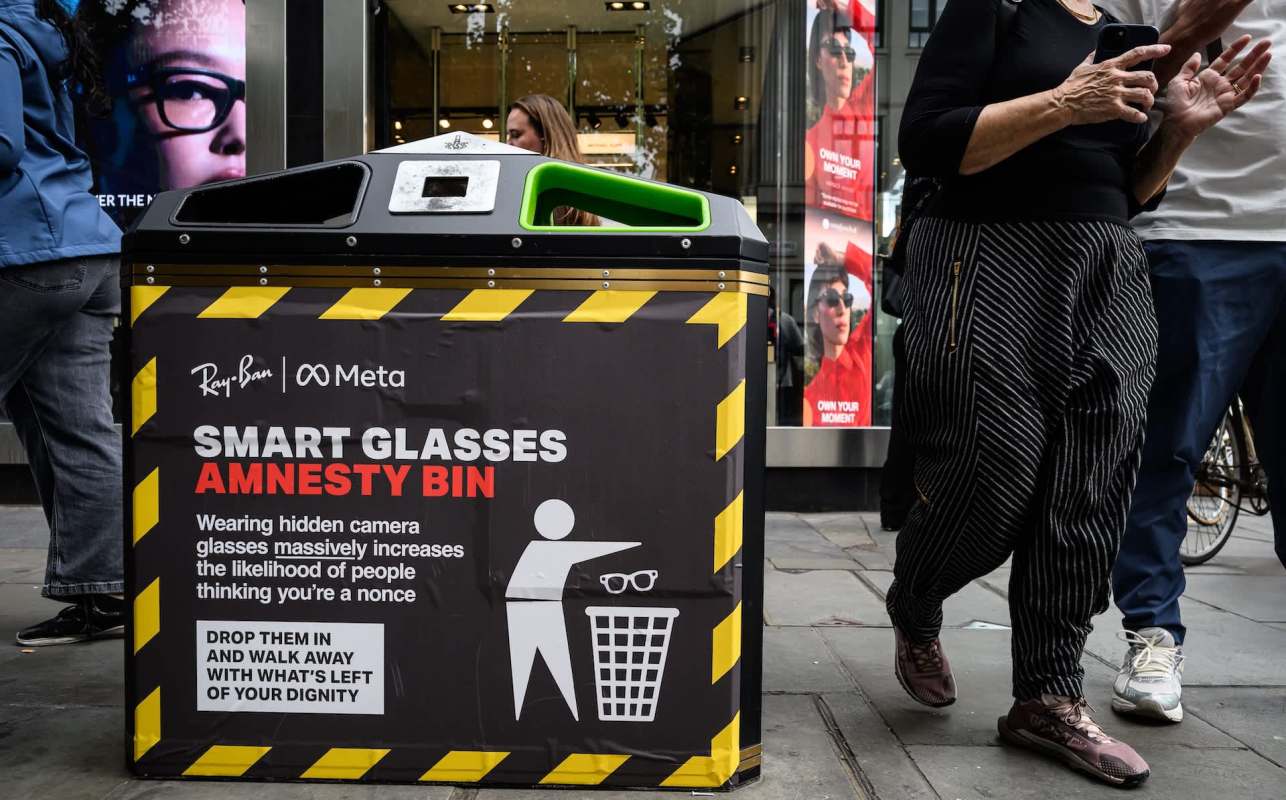
A pair of smart glasses may look like ordinary eyewear, but they can also take photos, film video, capture audio, or stream footage in places where people may assume they are not being watched.
That growing concern is now pushing Norway toward a temporary crackdown in schools, gyms, parks, and beaches, ABC News reported.
Here's what to know
Pointing to the risk that people could be photographed, filmed, or recorded without realizing it, Norway's minister of digitalization and public governance, Torgeir Micaelsen, said the government wants parliament to write a proposal for a temporary ban on AI glasses in certain places.
Main areas under consideration include spaces used by children, such as schools, kindergartens, playgrounds, and youth clubs. Authorities also said the restrictions could apply where "privacy is particularly important," such as healthcare facilities and fitness centers with changing rooms and showers.
Officials are also weighing whether the proposal should cover more public-facing locations, including concerts, sporting events, parks, beaches, museums, and shopping centers.
More background
Norway's move reflects a broader effort by governments to respond to fast-changing technology that is altering daily life. In some countries, that has already included barring children and younger teens from using social media.
TCD Picks » Quince Spotlight
💡These best-sellers from Quince deliver affordable, sustainable luxury for all




Similar concerns have surfaced elsewhere. In California, the governor vetoed a bill that would have imposed penalties for using smart glasses to record people without consent in places like changing rooms and doctor's offices — settings most people would consider private.
What's being done?
Officials are not proposing a total ban on smart glasses or wearable technology. Instead, they said a temporary measure would give authorities time to study the issue more closely, decide which devices might be covered, and hold an "informed debate" that could lead to permanent regulation.
The government said smart glasses should still be allowed in some places and for private use, while officials also consider exceptions for vulnerable groups so that "socially beneficial uses" can still be permitted in some circumstances.
Where can I learn more?
Similar concerns are surfacing far beyond Norway's smart-glasses debate. These stories discuss Meta's facial-recognition eyewear, Norway's classroom tech backlash, AI surveillance pricing fights, disguised products aimed at children, and parent opposition to industrial activity near a school.
• Meta faced backlash after a report said that its smart glasses can identify strangers in real time.
• In Norway, officials confronted how iPads in every classroom helped trigger a literacy decline.
• In Pennsylvania, lawmakers moved to ban AI surveillance pricing as privacy concerns widened.
• In New York, lawmakers targeted vapes disguised as school supplies to protect children.
• Parents fought Resynergi as plastic operations ramped up near a school, raising health fears.

Get TCD's free newsletters for easy tips, smart advice, and a chance to earn $5,000 toward home upgrades. To see more stories like this one, change your Google preferences here.






