


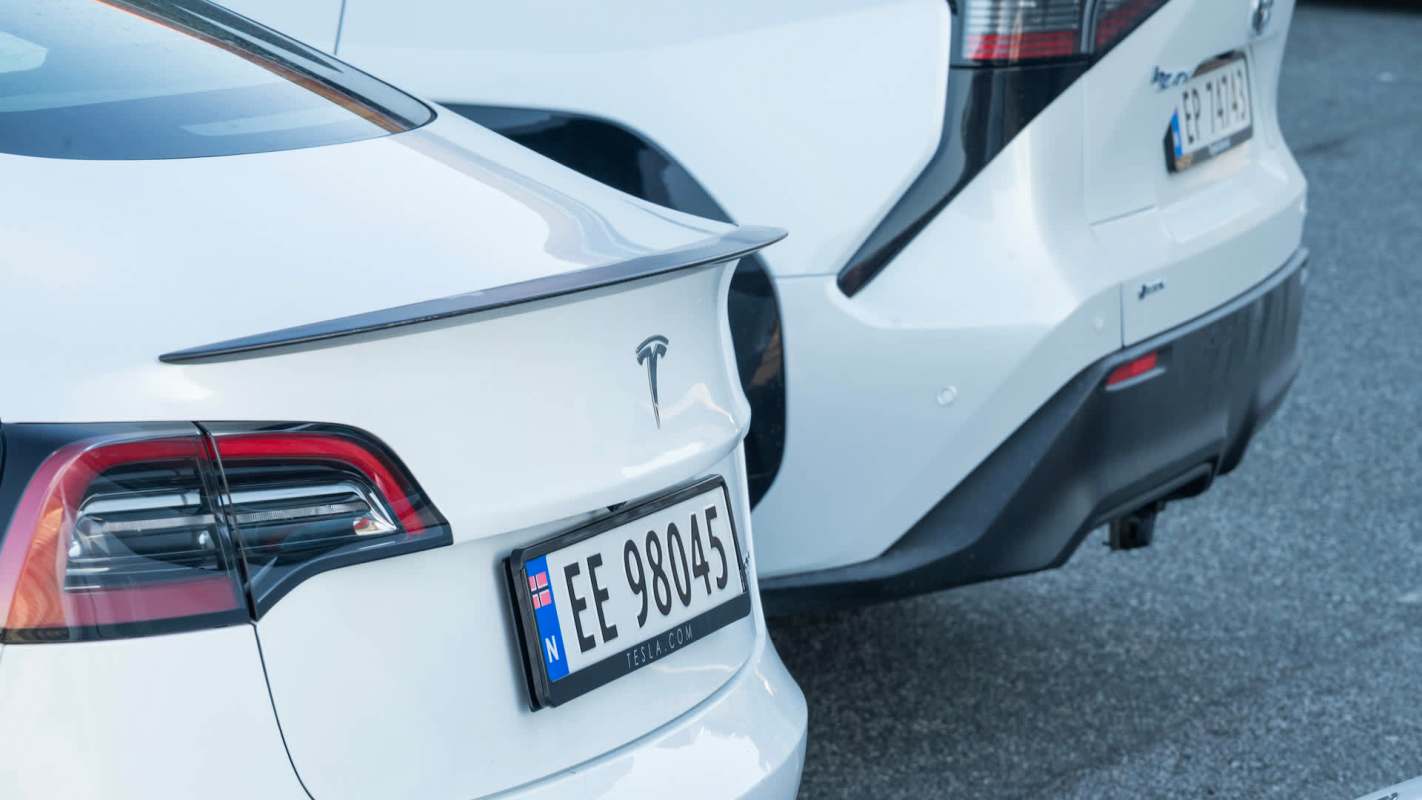
In 2025, Norway reached a milestone many countries are still chasing: 95.9% of its new passenger car registrations were fully electric.
A YouTube video argues that Norway's large amount of hydropower helped but that the more useful lesson for the United States is the combination of incentives, charging access, and planning that made electric vehicles workable for everyday driving.
Here's what to know
Life After 70 (@LifeAfter70years) creator Paul said in a video that policy alone did not drive the shift. Norway paired taxes and incentives that favored EVs with wider charging access so "people had to decide that these cars worked for their daily lives."
Gas and diesel vehicles are still part of Norway's overall car population, since older vehicles remain on the road for years.
Rather than being sparked mainly by a nationwide smog emergency, Norway's EV push was tied more closely to long-running climate goals, Paul added. Local air pollution still mattered, including diesel exhaust in Oslo, but the country had already spent decades focused on transportation-related air pollution.
Oslo does report cleaner air, with nitrogen dioxide levels trending downward since 2013 and the city's annual legal limit staying unbroken since 2017. Paul said the city attributes that improvement only partly to cleaner vehicles, alongside traffic changes and weather patterns.
TCD Picks » Quince Spotlight
💡These best-sellers from Quince deliver affordable, sustainable luxury for all




More background
Reservoir-backed hydropower gives Norway unusual grid flexibility, as the creator said. In 2025, about 90% of the country's electricity generation came from hydropower, with wind at around 9% and only a small share coming from solar and other sources.
By the end of 2024, Norway had more than 9,000 public fast chargers, Paul noted. But he described the tougher issue as overlap in charging demand on cold evenings, when households are already using large amounts of electricity, rather than total yearly power use.
He also highlighted a tension that still hangs over Norway's progress. While the country encourages drivers at home to move away from gasoline and diesel, it continues to export oil and gas, a contradiction the government has acknowledged.
The shift also appears to have had public backing from the start. One commenter identifying as Norwegian wrote, "It wasn't something the government imposed on the people; it was something the people demanded."
What's being done?
For drivers, convenience and public policy were both supporting factors. EV-friendly taxes and incentives improved the economic aspect of owning an EV, many drivers charged their cars at home where they parked, and public fast charging expanded to support longer trips.
The video argues that managing the grid matters as much as generating cleaner electricity. Moving charging to later hours can reduce strain on infrastructure, while some newer fast-charging sites need upgrades to local wires and transformers before they can support larger loads like what is necessary for EV charging. That challenge becomes even greater for electric trucks.
Oslo's air quality strategy goes beyond tailpipe exhaust, Paul said, and includes policies tied to studded tires, speed, and dust to reduce airborne particles.
For countries that do not have Norway's hydropower resources, the video argued for flexibility rather than imitation.
"The lesson I take away is that a country doesn't need Norway's exact electricity mix to start replacing tailpipe exhaust," Paul concluded. "It does need a workable plan for cars, charging, and the grid and an honest conversation about where its energy comes from."

Get TCD's free newsletters for easy tips, smart advice, and a chance to earn $5,000 toward home upgrades. To see more stories like this one, change your Google preferences here.






