


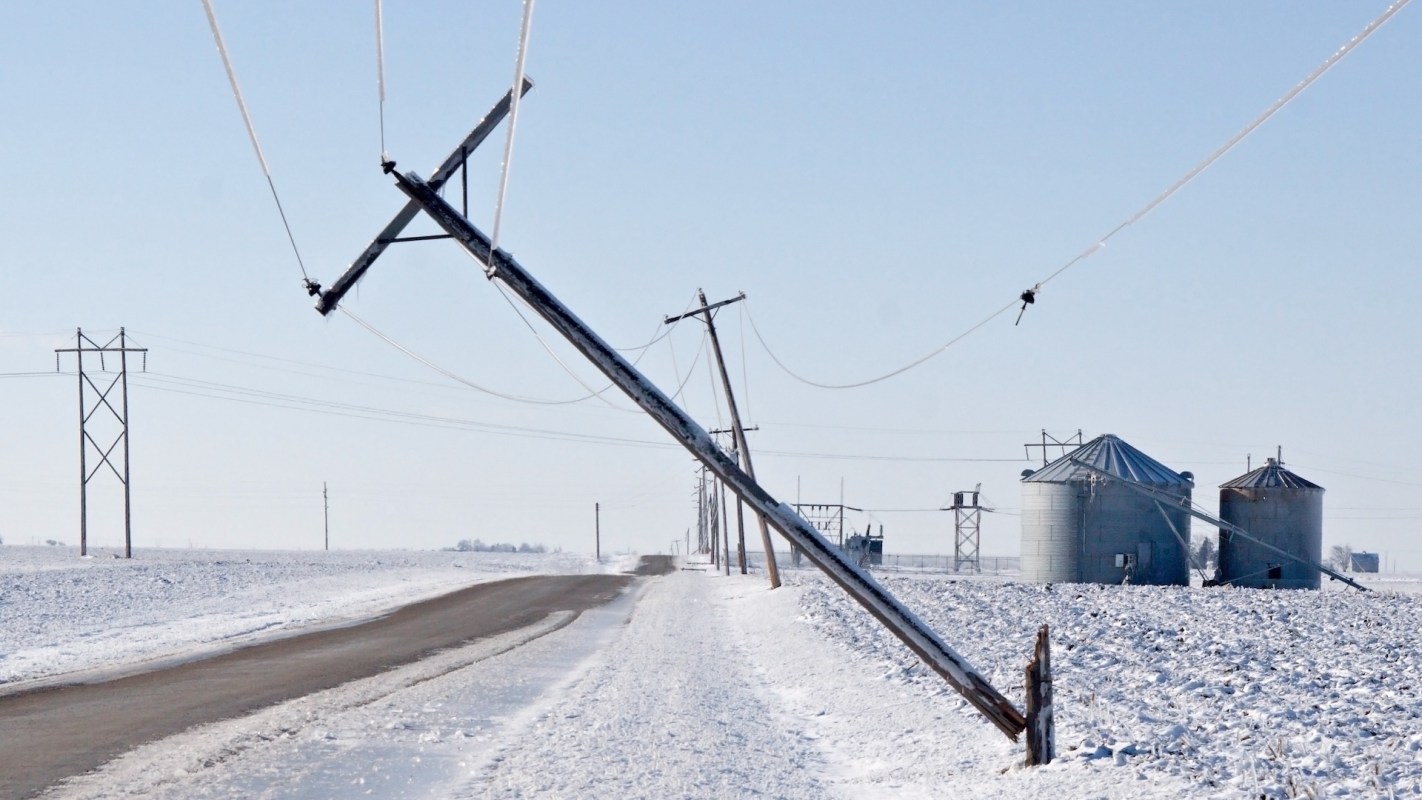
A fierce debate over how to keep the lights on during extreme weather is gaining traction in Michigan after a brutal ice storm snapped utility poles, dropped live wires onto roads, and left thousands of residents without power for weeks.
Now, one northern Michigan utility says every new power line it builds will go underground.
What happened?
The renewed attention follows a March 2025 ice storm that tore through northern Michigan, toppling trees and utility poles and triggering widespread blackouts. Great Lakes Energy, the state's largest electric cooperative, said the storm knocked out service to tens of thousands of customers and caused about $150 million in losses.
In response, the utility announced plans to bury all new power lines rather than string them overhead, a move intended to make the grid more resilient as severe weather intensifies, according to Grist.
Lewiston resident Wanda Whiting said she ended up taking her husband to the hospital during the outage as downed wires and damaged poles lined the highway.
"I still can't get over how astonished I was, how much we rely on street lights," she said.
TCD Picks » Quince Spotlight
💡These best-sellers from Quince deliver affordable, sustainable luxury for all




At one point, Whiting said, she had to cross over heavy cables lying in the roadway that may have still been energized.
Why does it matter?
Much of the U.S. power grid was built more than 50 years ago, and it was not designed for a climate marked by stronger storms, heavier precipitation, and more destructive ice events. In places like northern Michigan, research suggests freezing rain is expected to become more common than snow, which could raise the risk of severe ice storms.
Burying power lines can mean fewer outages caused by falling trees, fewer dangerous wires blocking roads, and a lower risk of losing refrigeration, heat, internet service, or electricity for medical equipment during a storm.
Great Lakes Energy says burying new lines can cost several times more than overhead work, and other Michigan estimates put the price at around $400,000 per mile, with much higher figures in dense cities. That leaves utilities weighing reliability gains against the effect on monthly electric bills.
What are people saying?
Utility officials and experts say undergrounding can help, but they also stress that it is not a universal fix. Tony Chartrand of Traverse City Light & Power summed it up this way: "Part of that solution is undergrounding lines. But it's not necessarily undergrounding everything."
Climate experts say communities can no longer plan around weather patterns that are already changing. University of Michigan professor emeritus Richard B. Rood put it bluntly: "You are right in the middle of the change here."
As Whiting said: "If it means going underground, then by God, go underground!"

Get TCD's free newsletters for easy tips, smart advice, and a chance to earn $5,000 toward home upgrades. To see more stories like this one, change your Google preferences here.






