


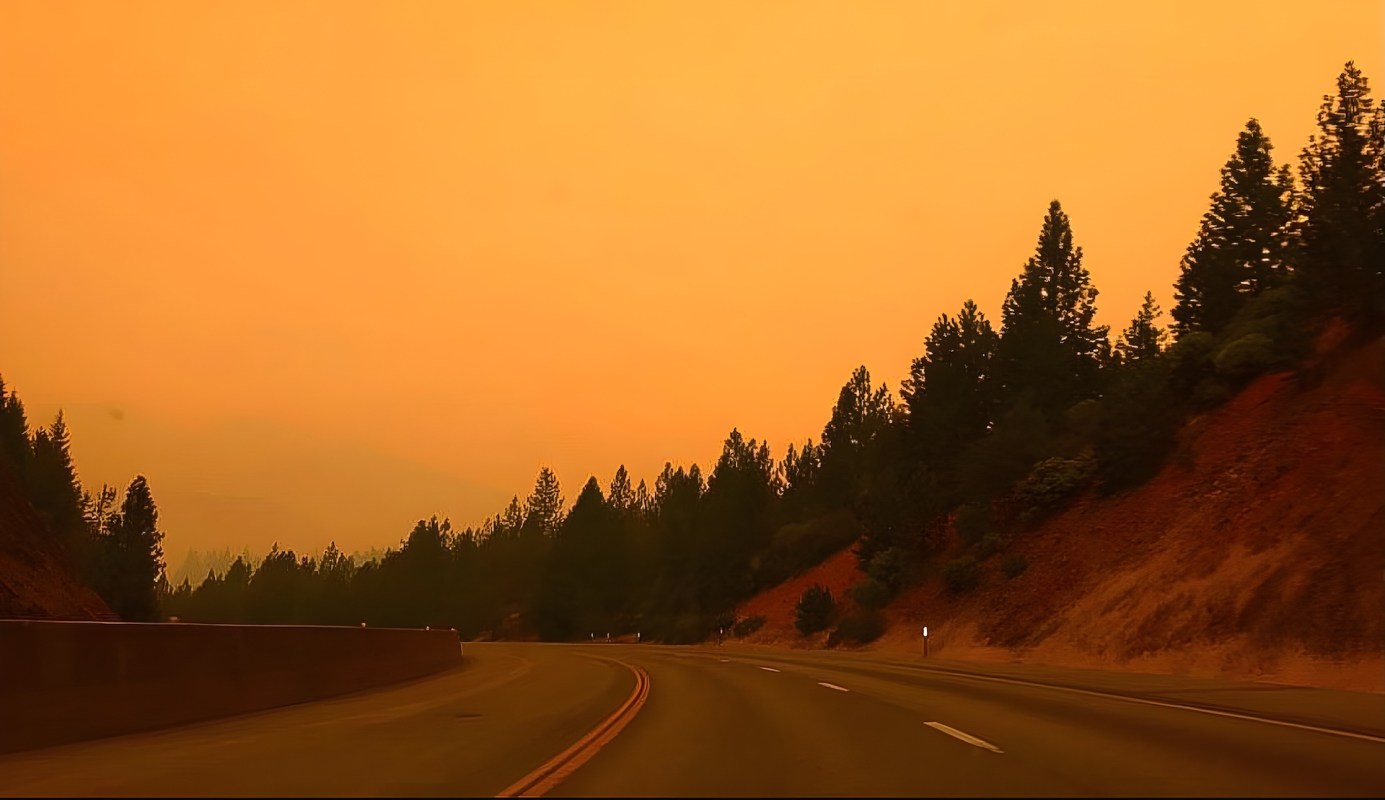
Smoke from distant wildfires continues to hang over much of northern Iowa, where a moderate health advisory remains in effect, and a mental health expert says the haze is affecting more than just people's lungs.
While air-quality concerns often point to breathing problems, a mental health specialist says the haze may be affecting emotional well-being, too.
Here's what to know
In patient appointments, clinical health psychologist Dr. Kristi White has been hearing people bring up the smoky conditions, according to Radio Iowa.
She said the effects go beyond simply making it harder to enjoy time outside.
"It can cause stress, it can cause anxiety and depression symptoms," White says. "From just a physiological perspective in terms of what it does to the brain, that particulate matter or pollution can actually cross over the blood-brain barrier."
White said the smoke is also heightening worries that summers like this may become more common.
TCD Picks » Quince Spotlight
💡These best-sellers from Quince deliver affordable, sustainable luxury for all




"There's kind of this background stress of climate change is making extreme heat and wildfires worse," White says, "and so this is starting to become something that is more regular and people don't want it to become a new normal and not stressing them out."
More background
Wildfire smoke can disrupt daily life even when the fires themselves are far away.
For people in northern Iowa, that can mean shorter walks, canceled outdoor plans, or a growing sense that part of summer is being taken away by something beyond their control.
White said that sense of frustration is becoming part of the story.
"People are feeling like some of the best days of the year to get outside and spend time are kind of ruined for them, right?" she says. "A lot of people like to get outside, spend time in nature, really enjoy the summer weather."
What can be done?
According to Radio Iowa, people with various sensitivities should limit outdoor activity and move indoors to cleaner air if symptoms appear.
White's comments suggest that feeling unusually tense, disappointed, or worn down during smoky periods may be tied both to the physical effects of pollution and to the stress of losing normal summer outlets.
Wildfire smoke flowing into towns isn't just a possible influence on lung conditions — but also the lack of getting sunlight by going outside may take a toll on mental health.

Get TCD's free newsletters for easy tips, smart advice, and a chance to earn $5,000 toward home upgrades. To see more stories like this one, change your Google preferences here.






