


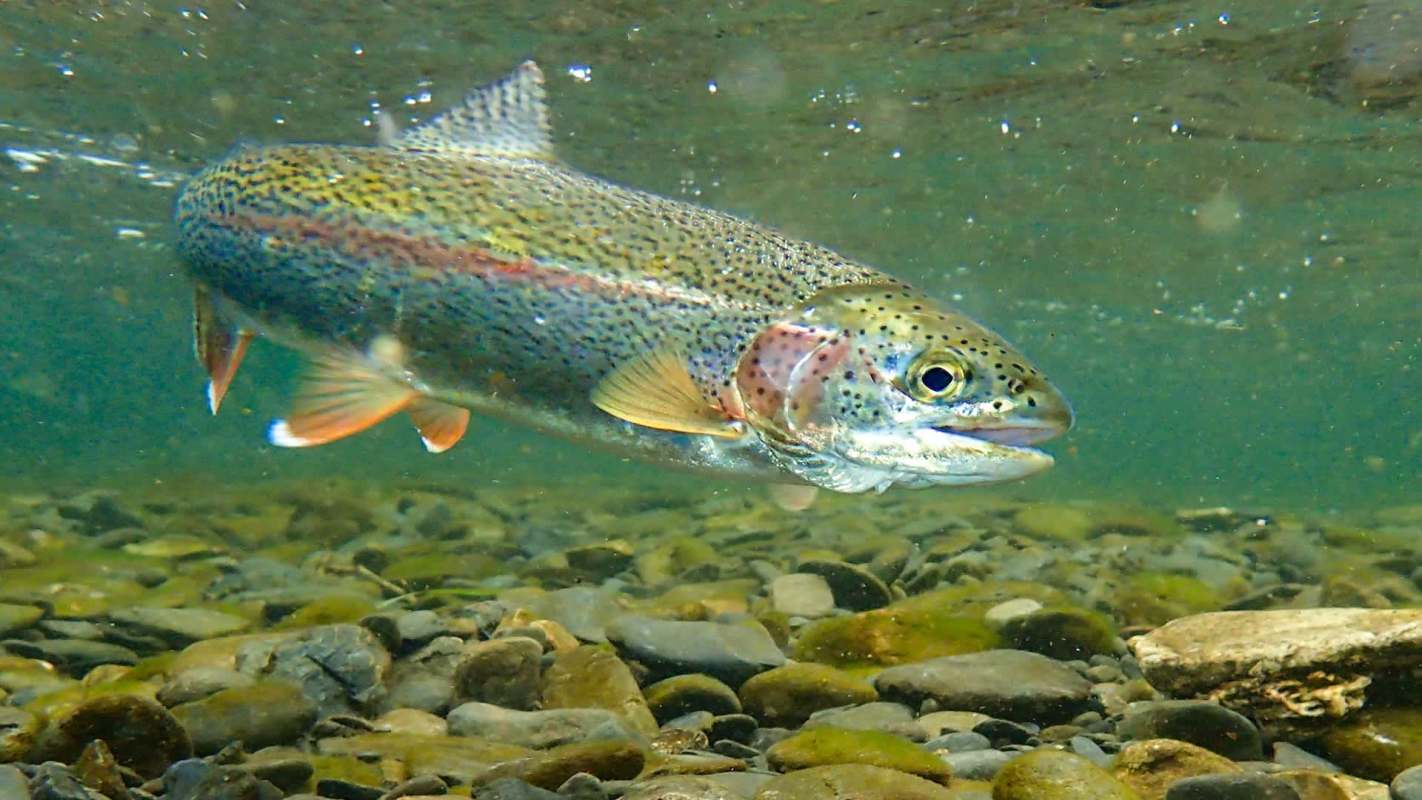
Oregon researchers are focusing on a growing risk to one of the hallmark fish runs on the North Umpqua River.
Their work suggests summer steelhead rely on exclusive habitat in a single creek, and that creek is warming quickly.
A new study found that helping the fish may require more than defending that remaining refuge; it may also mean establishing additional habitat reserved for summer steelhead.
Here's what to know
On Aug. 17, the Wild Salmon Center (@wildsalmoncenter) shared an Instagram post about the new findings.
The group highlighted the new research — published in Evolutionary Applications — on North Umpqua summer steelhead, a prized wild run with low returns.
As co-author Dr. Tasha Thompson, a conservation geneticist with Wild Salmon Center, explained, the study identified a key constraint: Summer steelhead need access to habitat that other runs cannot reach.
TCD Picks » Quince Spotlight
💡These best-sellers from Quince deliver affordable, sustainable luxury for all




Wild Salmon Center wrote that "persistent low returns in recent years indicate clear signs of trouble."
More background
The post noted that, within this river system, habitat of that kind is effectively limited to Steamboat Creek.
Summer steelhead need cold, protected places to hold through warm periods before spawning.
If the only reliable refuge continues to warm, the fish have a lower chance of adapting, leaving the broader population increasingly vulnerable.
The North Umpqua has long been known among anglers for its steelhead.
Healthy runs support recreation, local businesses, and the identity of river communities built around fish and waterways. What the study underscored is this population's reliance on a single creek, even as that creek warms rapidly.
That makes protecting Steamboat Creek the immediate focus, as it remains the sole key habitat for North Umpqua summer steelhead.
What can be done?
Holding onto that refuge and keeping it as cool and intact as possible could help sustain the run while other solutions are pursued.
The strategy outlined in the post was expansion, not just defense.
Thompson and her fellow researchers also considered ways to open up new exclusive habitat elsewhere in the watershed, including in restored reaches above Soda Springs Dam.
That kind of work could reduce the risk of concentrating a vulnerable fish population in one place.
"In the North Umpqua, however, this critical habitat really only exists in one place right now: Steamboat Creek, which is highly vulnerable to climate change," Thompson warned.

Get TCD's free newsletters for easy tips, smart advice, and a chance to earn $5,000 toward home upgrades. To see more stories like this one, change your Google preferences here.







