


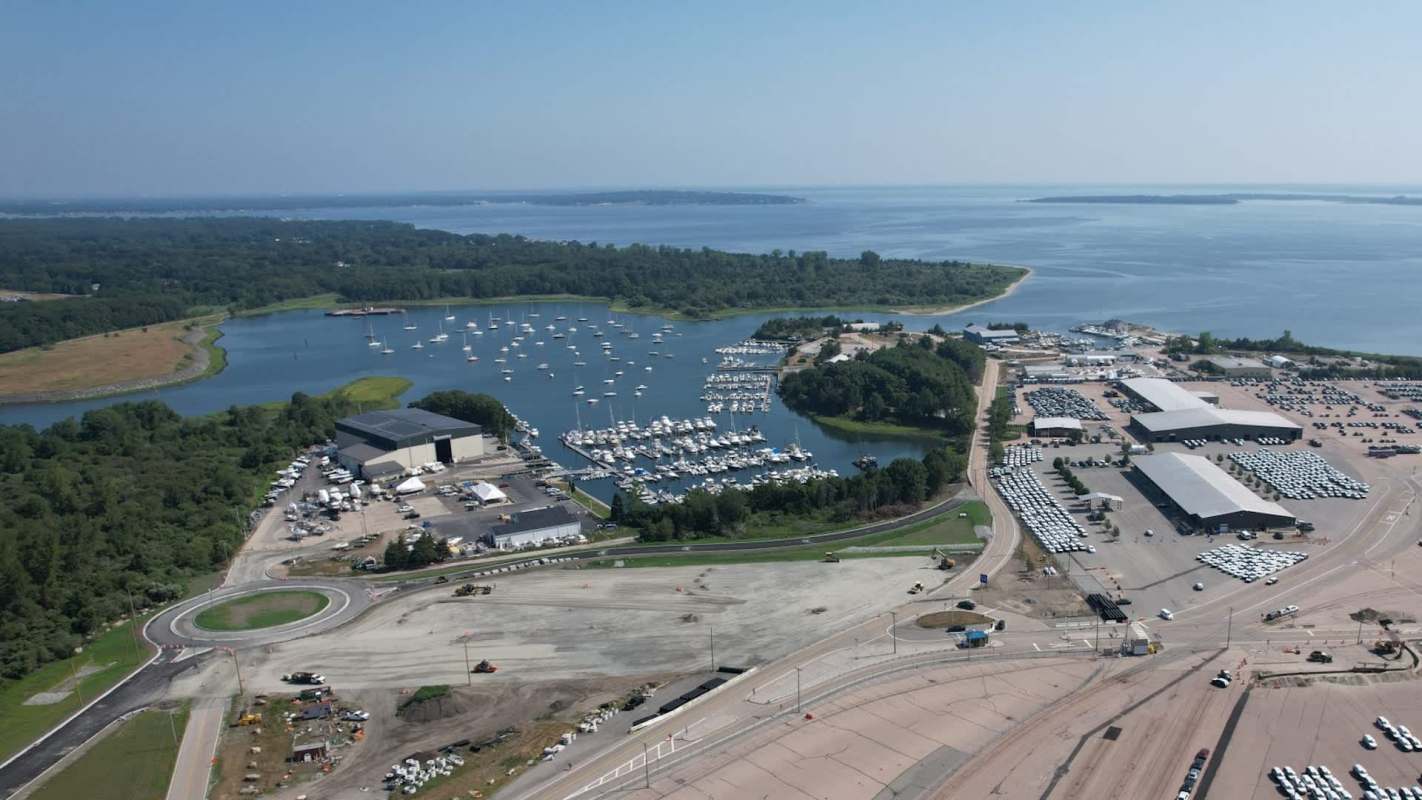
North Kingstown is escalating its opposition to a proposed sludge-processing facility by telling the U.S. Environmental Protection Agency that the town could sue over the project.
The move is renewing attention on a project that residents say could affect air quality and odors in North Kingstown for years to come.
What happened?
Before filing any case against federal regulators, the town had to issue a 60-day notice, and it has now done so, accusing the EPA of approving the wrong air permit for a proposed $225 million sludge treatment plant in Quonset Business Park, according to the Rhode Island Current.
The argument turns on the plant's status under air rules: whether the QSS Biosolids project should have gone through review as a "major" pollution source instead of being treated as a "minor" one.
Regulators at both the federal and state levels accepted the company's position that a lighter permit was appropriate because the facility would rely on pyrolysis, a high-heat, oxygen-free process, rather than traditional incineration to turn sewage sludge into biochar.
Marisa Desautel, the environmental attorney representing North Kingstown, says that view is too limited, arguing that officials should consider the full local emissions picture, including another company's pyrolysis facility already operating nearby and the potential for future expansion.
TCD Picks » Quince Spotlight
💡These best-sellers from Quince deliver affordable, sustainable luxury for all




A major permit would require a more extensive review process and mandatory public hearings, giving residents more opportunities to weigh in on the proposal.
Although state legislation has paused the project through at least June 1, 2027, as the Rhode Island Current reported, town officials say that delay does not mean the proposal has disappeared.
Why does it matter?
For Town Manager Ralph Mollis, the issue is about protecting the area. He said, "Right now, the direction of the project is out of our hands, so we're doing what we have to do to protect the residents and the community."
The dispute also reflects a broader challenge tied to the shift toward cleaner and more sustainable waste systems. New technologies can fall into regulatory gray areas.
Town leaders say they are not waiting for the project to restart before acting.
"As far as we're concerned, there's still a possibility this project's going forward," Mollis said. "We wouldn't want to have to wait and be reactive rather than proactive."
Desautel said the town's argument is that the emissions review should reflect the surrounding area as a whole, rather than treating the proposed plant as if it exists by itself.
"You have to look at this as a neighborhood classification," she said. "It's a bigger emitter than just the pyrolysis site."
Mollis also indicated that the town is not necessarily opposed to every possible version of the project. "We're hoping in the end, a different location will be found."

Get TCD's free newsletters for easy tips, smart advice, and a chance to earn $5,000 toward home upgrades. To see more stories like this one, change your Google preferences here.






