


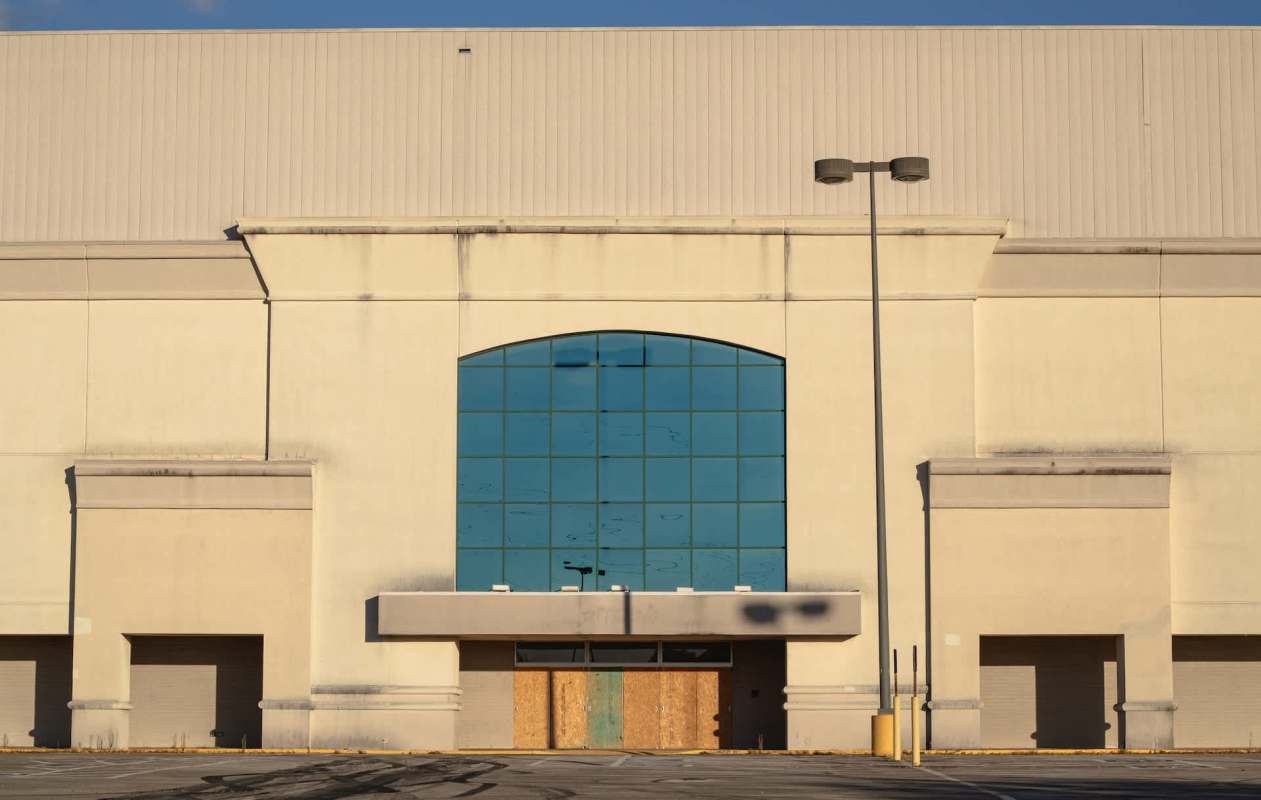
A packed meeting room and an overflow crowd outside showed that many North Coventry residents do not want a small data center inside the former Coventry Mall.
But even a unanimous township vote against the proposal may not be enough to stop it outright, underscoring that local resistance and legal authority are not always the same thing.
Here's what to know
According to The Mercury, all of North Coventry's supervisors voted against a proposal to put a small-scale data center at the long-shuttered mall site.
Even so, that vote is "far from the final word." A board's opposition is not automatically a final denial unless it controls the remaining approvals the project still needs.
That distinction extends well beyond one Pennsylvania township. Across the country, developers are eyeing underused retail properties, warehouses, and industrial sites for data centers, while residents and local officials try to sort out where zoning, land-use reviews, utility coordination, and state rules begin and end.
More background
This dispute comes as data centers have become one of the most visible flashpoints in the artificial intelligence boom. Facilities that support cloud computing and AI can bring investment, tax revenue, and, in some cases, a new purpose for struggling commercial real estate. On paper, a dead mall can look like an attractive redevelopment opportunity.
TCD Picks » Quince Spotlight
💡These best-sellers from Quince deliver affordable, sustainable luxury for all




However, such projects can place major strain on the electric grid. AI systems require enormous computing power, and that translates into constant electricity demand and, in many cases, substantial water use for cooling. Residents often raise concerns about transformer upgrades, backup generators, noise, traffic, and whether large new energy loads could raise utility costs.
The relationship between AI and the energy system is complicated. AI can help utilities forecast demand, reduce waste, and integrate more wind and solar power. However, the same technology can also fuel rapid growth in data center construction, increase resource use, raise security concerns, and amplify social risks if deployed without strong oversight.
What's being done?
At the community level, public meetings remain one of the most important tools residents have. Strong turnout can push officials to demand clearer answers about power needs, cooling systems, environmental impacts, and whether promised economic benefits are realistic. Even when a board cannot single-handedly block a project, it can still force a more transparent review.
Developers, meanwhile, increasingly need to show how a project will fit within existing infrastructure. That can include coordinating with utilities on grid upgrades, explaining backup power plans, and addressing neighborhood concerns early rather than treating them as an afterthought.
State and local governments also have options. They can update zoning rules, require stronger disclosure around energy and water use, and set clearer standards for siting data centers near homes or sensitive infrastructure. Better rules can help communities avoid confusion over who actually has decision-making power.
North Coventry's vote showed that public sentiment can be unmistakable. Whether that will be enough to halt the mall data center will depend on the specific legal and regulatory steps still ahead.
Where can I learn more?
North Coventry's fight is playing out against a much bigger backdrop. Similar battles are cropping up around the country as communities push back on AI-linked data centers over power demand, water use, and who gets stuck with the cost of new infrastructure.
• Nationally, opposition to AI data centers has surged even where no facility is nearby.
• Across the country, water and electricity fears are hardening into backlash against AI expansion.
• In Wisconsin, We Energies sought a rate rewrite after Oracle's data-center power demands surged.
• In New Jersey, officials warned bills could rise another 20% as AI data centers multiply.
• In Michigan, critics said huge new power plans could raise residents' rates and slow clean energy.

Get TCD's free newsletters for easy tips, smart advice, and a chance to earn $5,000 toward home upgrades. To see more stories like this one, change your Google preferences here.






