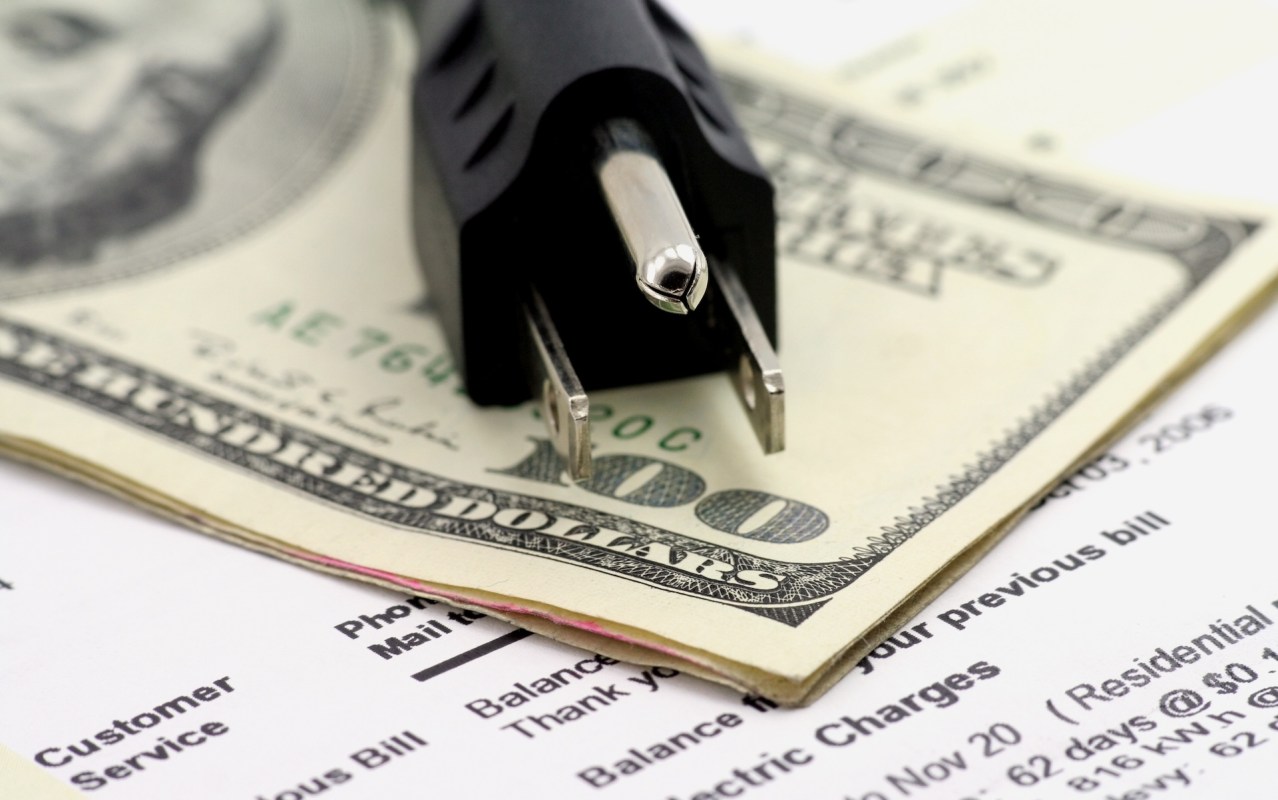
North Carolina households face an electricity rate increase of about 9.5% over two years, while a proposal to have large energy users pay directly for new renewable power remains stalled.
Here's what to know
On Nov. 16, 2026, North Carolina's Utilities Commission approved a utility's household rate increase and special service terms for data centers, Canary Media reported. However, the commission declined to require the utility to propose a clean transition tariff, a voluntary program sought by major corporate electricity buyers.
The proposed tariff would let businesses arrange their own renewable power purchases, with Duke acting as an intermediary. The utility's monopoly means these companies cannot choose another electricity supplier in most of North Carolina.
Steve Levitas, interim executive director of the nonprofit New Energy Economics, said the program could make data centers responsible for funding the new generation needed to supply them, Canary Media reported.
Regulators encouraged Duke to collaborate with supporters but did not impose the deadline they sought. The company had announced plans to pursue a tariff in spring 2024 without following through, then committed in October 2026 to begin negotiations in early 2027.
More background
No large customers have applied for the utility's "resource acceleration option," which is intended to speed solar development. It is part of the utility's Green Source Advantage Choice programs for businesses seeking clean electricity.
TCD Picks » Quince Spotlight
💡These best-sellers from Quince deliver affordable, sustainable luxury for all




Corporate buyers say their sustainability claims depend on adding renewable power, rather than paying for projects the utility was already developing, according to Canary Media.
More than 300 businesses in fields including technology, manufacturing, and hospitality belong to the Corporate Energy Buyers Association. Its members' difficulty securing additional clean electricity leaves a potentially important source of funding for new renewable projects untapped, even as large electricity users enter the state.
Public Staff has raised concerns that ordinary customers could end up paying for expensive solar projects, per Canary Media. The state-sanctioned customer advocate has also questioned how the tariff would be designed.
Consumer and clean energy advocates see a clean tariff as a way to strengthen protections beyond those in the approved data center rules, according to Canary Media.
What's being done?
Google is seeking clean transition tariffs in Minnesota and Indiana after helping establish one in Nevada.
Large customers can propose and fund solar projects in partnership with developers through Georgia Power's "customer identified resource" program.
A bipartisan energy policy task force created by North Carolina Gov. Josh Stein is expected to release proposals in February 2027, according to Canary Media.
Levitas serves on the task force and expects its recommendations to address a voluntary customer program, a clean tariff, or customer-provided generation.
Lawmakers could also require a tariff. Democrats will enter 2027 with a state House majority and one seat short of a Senate majority after the 2026 midterm elections, according to Canary Media. Levitas said legislation on the issue could be introduced during that year's session.
For Levitas, who represented the Corporate Energy Buyers Association in testimony, an enforceable requirement remains essential to moving the proposal forward.
"The only way to really do that is to make the data centers pay directly for the generation that they require," he said.
Where can I learn more?
The debate in North Carolina centers on who pays as electricity demand grows. These stories examine rising bills, data center pressure on the grid, and the potential costs of canceled clean energy projects.
• A North Carolina homeowner installed a heat pump, but his power bills kept rising.
• Arizona utilities are missing power reserve targets as nearly 100 data centers strain the grid.
• U.S. households could pay $6,500 more for energy by 2040 as clean projects get axed.
• A Michigan utility says frequent rate hike requests help keep bills predictable and manageable.

Get TCD's free newsletters for easy tips, smart advice, and a chance to earn $5,000 toward home upgrades. To see more stories like this one, change your Google preferences here.