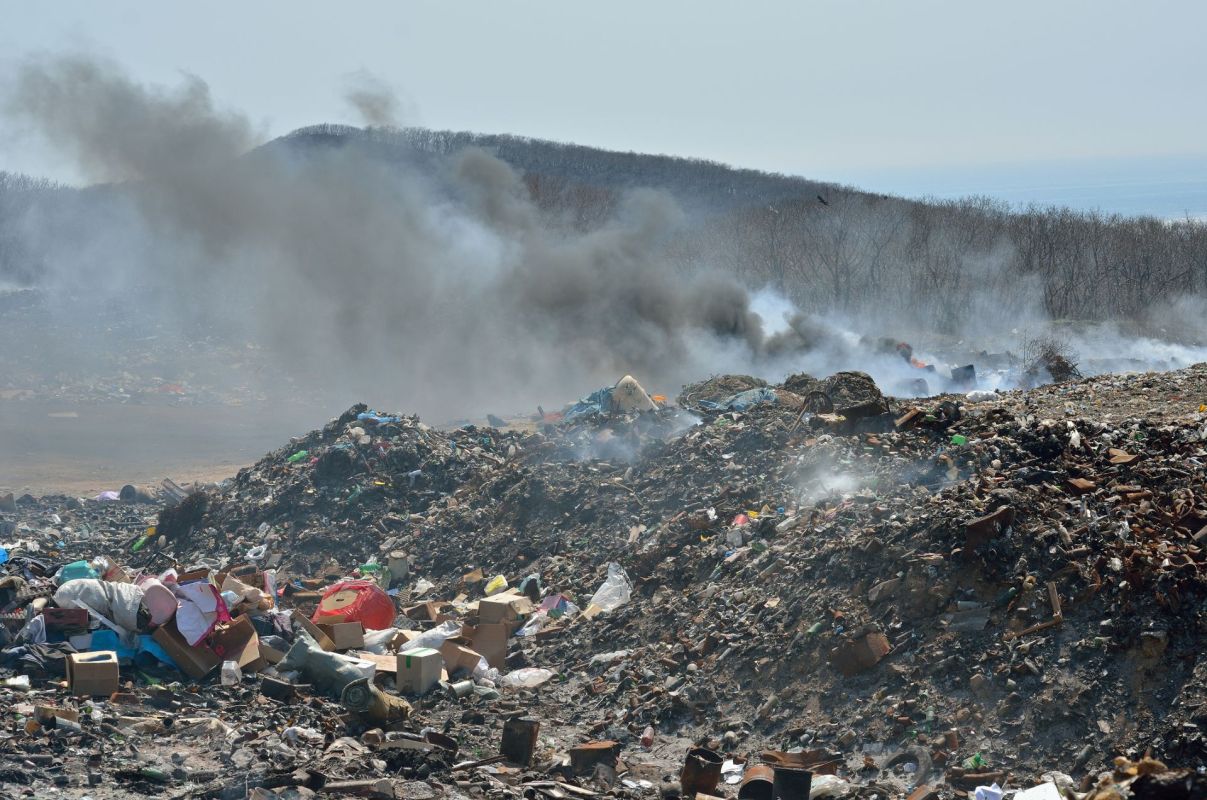
A suspected lithium battery fire at a North Carolina landfill is putting a spotlight on a disposal mistake many households make without thinking twice.
Officials in New Hanover County say a battery likely cracked by a truck helped trigger one of the larger blazes the site has seen, turning a routine trash run into a high-risk emergency.
Here's what to know
According to Port City Daily, Joe Suleyman, New Hanover County's director of recycling and solid waste, said a truck likely cracked a lithium battery near the end of operating hours on Aug. 19, before a fire was discovered around 3:45 a.m. on Aug. 20.
The blaze began on the eastern side of the landfill and grew to roughly 100 feet across.
Officials described it as a subsurface fire, meaning the burning began underground and moved intensely through buried waste.
"This is one of the larger fires we've seen here at the site, but it's not uncommon for us to have a small fire," Suleyman said.
TCD Picks » Quince Spotlight
💡These best-sellers from Quince deliver affordable, sustainable luxury for all




By 6:20 a.m., the blaze was contained after crews used specialized vehicles and heavy equipment to reach hot spots on the landfill's soft slope.
Once the fire was contained, workers began placing layers of sand over the burned slope. Suleyman said the sand helps cut off oxygen, smother lingering hot spots, and reduce the chance of reignition.
More background
Lithium batteries are common in phones, laptops, e-bikes, power tools, and other household products.
Even when a battery appears dead, it can still hold enough energy to trigger a dangerous reaction if it is punctured, crushed, or exposed to the wrong conditions.
During thermal runaway, these batteries can spike to about 1,832 degrees Fahrenheit — far above their normal operating range, Port City Daily reported. Suleyman said ordinary household trash can serve as kindling once a damaged battery overheats.
These incidents can also drive up operating expenses for public waste systems that residents help support through local taxes and fees.
What can be done?
Rechargeable and lithium batteries should not go in the regular trash bin.
Instead, they should be taken to approved battery recycling or hazardous waste collection programs when possible.
Doing so can reduce the risk of truck, transfer station, and landfill fires while also keeping reusable materials in circulation and helping communities avoid costly emergency responses and equipment damage.

Get TCD's free newsletters for easy tips, smart advice, and a chance to earn $5,000 toward home upgrades. To see more stories like this one, change your Google preferences here.