


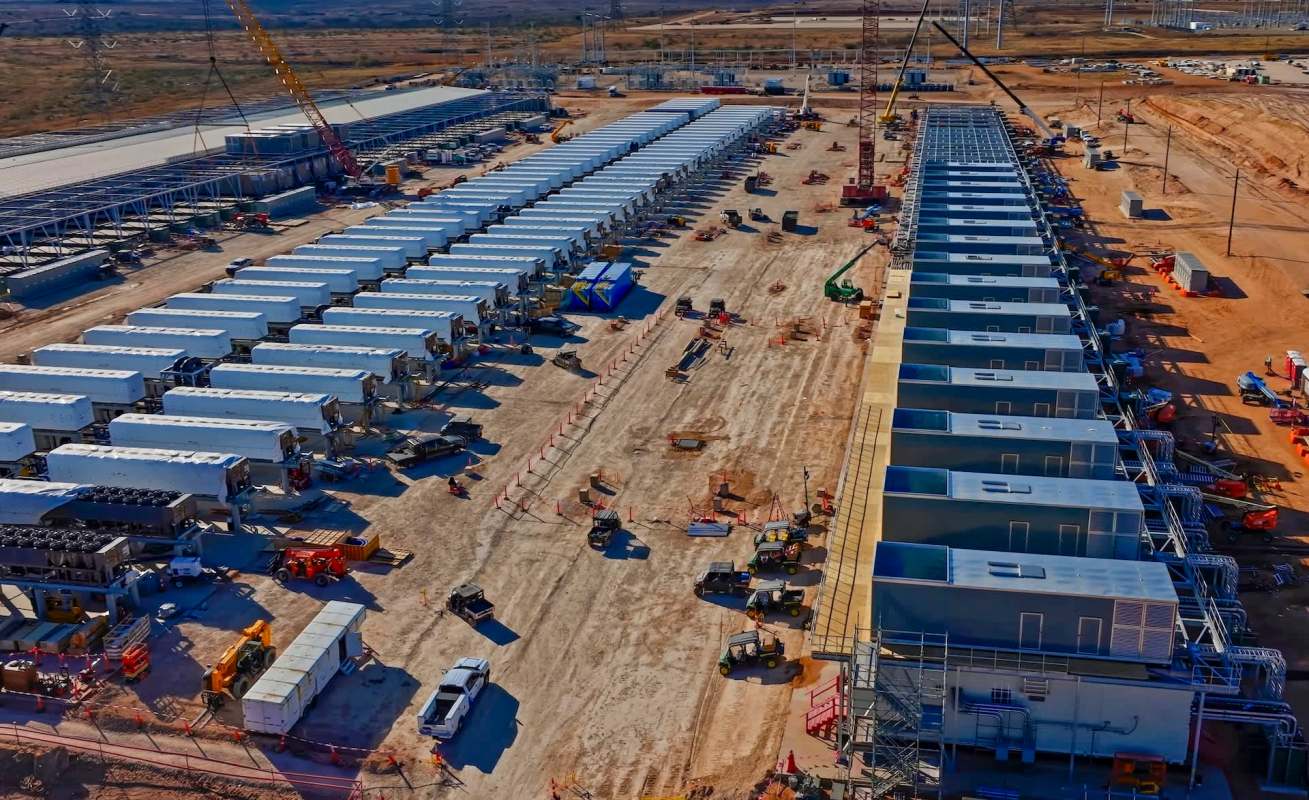
Opposition to new data centers is gaining traction in North Carolina, with more local governments looking at temporary pauses on future projects.
That local resistance points to a larger question: How much strain communities are willing to put on neighborhoods, water supplies, and power systems in the name of digital growth.
Here's what to know
Greensboro, Yadkin County, and Alamance County are all examining temporary limits on new data center development, as NC Newsline reported. An Elon University poll of 800 North Carolinians found that most respondents oppose having data centers in their own communities.
In Greensboro, officials are reconsidering a pause after previously deciding against a formal moratorium. The city council is now considering a 120-day hold on large data centers or related facilities that use more than 10 megawatts of power, saying they need more time for public input and to study potential impacts on water, the electrical grid, and the environment.
Mayor Marikay Abuzuaiter said Greensboro has "currently no plans to bring or recruit a data center to the city."
Yadkin County's proposed 12-month moratorium would cast a wider net, covering data centers, data-processing facilities, crypto mining, other still-undefined related uses, AI computing, weather forecasting models, genomic sequencing, cloud-based storage, and streaming video and related technical services.
TCD Picks » Quince Spotlight
💡These best-sellers from Quince deliver affordable, sustainable luxury for all




In Alamance County, advocates are seeking a two-year pause in unincorporated areas, following Surry County's approval of a 24-month moratorium.
More background
Rapid growth in cloud services and AI computing is fueling data center expansion. Because those facilities can require large amounts of electricity and water, residents have raised concerns about the impact on the resources used by households, farms, and local businesses.
Supporters of a two-year moratorium in Alamance County say they want proof that there is enough water to support current homes and farms before allowing any additional projects to proceed.
In Raleigh, opposition built quickly: residents filled all 30 public-comment slots for the August 18 hearing and flooded city council members' inboxes before the developer withdrew its annexation request. Raleigh Mayor Janet Cowell told WRAL-TV that she did not believe the council viewed the project favorably.
What's being done?
The chief option on the table is a temporary moratorium. These pauses are not intended as permanent bans. Instead, they give cities and counties time to update land-use plans, evaluate infrastructure needs, and implement zoning rules that align with local priorities.
Supporters say that kind of delay can keep communities from getting tied to projects before settling basic questions such as where the facilities belong, how big they should be, and what safeguards are needed for water and power use.
Opponents of moratoriums often contend that such delays can hinder investment and the adoption of emerging technologies. Still, local leaders seem to favor limited-duration pauses — 120 days, 12 months, or 24 months — to create clearer rules rather than continue making decisions on a case-by-case basis under older policies.
A Yadkin County draft ordinance explains the concern this way: "The County has determined that to simply allow this intensive land use to be permitted without regard to location, height, size, density, population and type of trade would be counter to the County and its citizens."
Where can I learn more?
North Carolina's debate is playing out alongside similar fights in Durham and Charlotte, where local officials have already moved to slow or stop data center growth.
Concerns over power demand, water use, noise, and neighborhood impacts are surfacing there too — and in communities far beyond the state.
• In Durham, officials froze new data center proposals as neighborhood backlash intensified.
• Charlotte leaders halted new data center projects after residents warned about water, noise, and power bills.
• From Utah to Georgia, communities demand moratoriums as data center opposition reaches national politics.
• Across the country, local leaders are already paying when data center disputes dominate local elections.
• In Ohio, townships slam brakes on data centers while public scrutiny outpaces state review.
The disputes in these places help explain why North Carolina communities want time to set clearer rules before more projects move ahead. They also show how fast a data center proposal can turn into a fight over local control.

Get TCD's free newsletters for easy tips, smart advice, and a chance to earn $5,000 toward home upgrades. To see more stories like this one, change your Google preferences here.






