


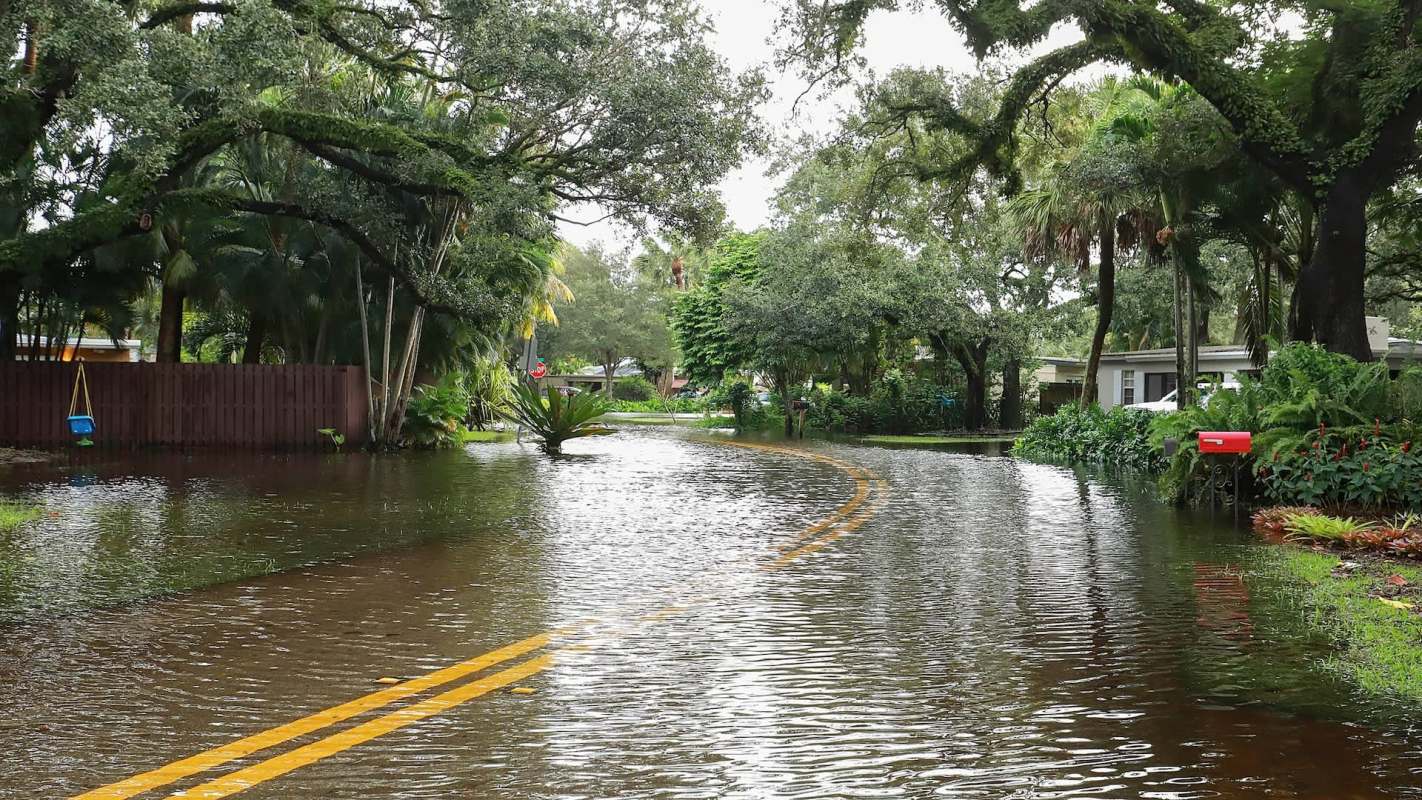
On clear days in some North Carolina coastal towns, streets are still taking on water. In places including Beaufort and Carolina Beach, routine high tides are now enough to push flooding onto land.
As sea levels rise, ordinary travel can require planning around those inundated roads.
Here's what to know
On an audio segment broadcast on Yale Climate Connections, Miyuki Hino, a researcher at the University of North Carolina at Chapel Hill, said some of the North Carolina sites her team studies now flood on as many as 100 days a year.
Hino, a researcher at the University of North Carolina at Chapel Hill, explained sea level rise is driving the problem by raising the starting point for normal tides.
"Our tides and our normal changes in ocean water levels are now happening on top of higher average sea levels," Hino said in the segment. "And that water level is too much for the infrastructure. And so you get roads that are inundated, stormwater drainage systems that don't function anymore."
More background
These repeated floods can weaken community safety and financial stability well before a major hurricane arrives. When roads become impassable, the ripple effects can loom large.
TCD Picks » Quince Spotlight
💡These best-sellers from Quince deliver affordable, sustainable luxury for all




"People skip their doctor's appointments and other types of critical errands because the roads are cut off," Hino explained. "This might not seem like a big deal, but when this type of flooding is happening 50, 60, even 100 days a year in some of the places that we study, that really adds up."
Worsening extreme weather disasters and chronic flooding also threaten lives and livelihoods by increasing risks to public health, community safety, and economic security. Standing water can block emergency access, damage homes and vehicles, and disrupt businesses that depend on reliable roads and customer traffic.
Even when flooding events are relatively small, the repeated impacts can lead to mounting repair costs and lost time. What makes this flooding notable is that no storm is required. Rising seas are turning ordinary tidal changes into more damaging events, on top of the larger threats posed by hurricanes and other severe coastal weather.
What's being done?
To support both day-to-day choices and future planning, Hino's team has installed sensors and cameras at recurring trouble spots and is sharing live flood data with residents, according to the segment.
For residents, those updates can shape simple but important travel decisions.
"So that they can figure out if they can get home or if they need to reroute or wait out a couple hours and see if the floodwaters go down," Hino told Yale Climate Connections.
In areas that flood often, that kind of advance notice and route guidance can reduce risk and help people avoid driving onto inundated roads.
The outlet said researchers are also using the data to model longer-term options such as water pumps, seawalls, and other safety measures communities could put in place.
Where can I learn more?
Sea level rise, coastal erosion, and extreme floods are affecting communities far outside of coastal North Carolina in different ways. The fallout can extend well beyond flooded roads and damaged infrastructure, with lasting health and safety consequences.
• From Miami to other urban shorelines, areas at severe flood risk are multiplying as seas rise.
• Along Australia's coast, problems now follow worsening tides, winds, and erosion.
• In Chapel Hill and Siler City, N.C., 500-year and 1,000-year floods turned roads and neighborhoods deadly.
• In Asheville, N.C., climate haven narratives collapsed as Helene exposed mountain flood vulnerability.
• After major disasters, health risks and deaths can keep rising in the weeks afterward.
Recurring high tide flooding fits into a wider pattern of climate-driven risk that communities are already navigating. Seeing how those threats overlap can help residents and local leaders make better calls, from day-to-day travel plans to longer-term infrastructure choices.

Get TCD's free newsletters for easy tips, smart advice, and a chance to earn $5,000 toward home upgrades. To see more stories like this one, change your Google preferences here.






