


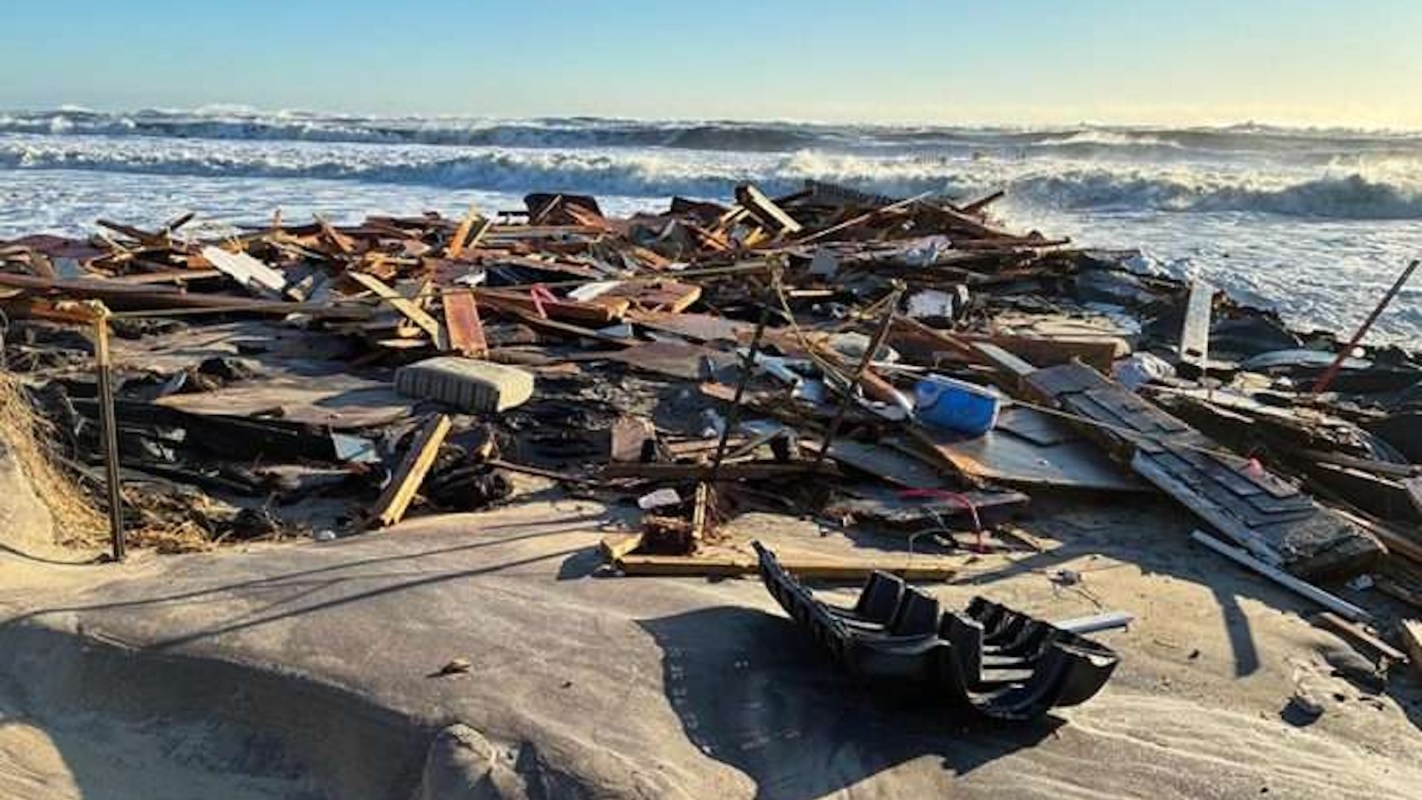
Another oceanfront home collapse in Buxton is adding urgency to a high-stakes debate in North Carolina over whether the state should keep its ban on hardened erosion barriers.
Lawmakers, coastal officials, and residents are now weighing competing ideas for protecting homes and communities without creating even bigger long-term problems for beaches and taxpayers.
What's happening?
North Carolina's Coastal Resources Commission is preparing a report on shoreline-hardening structures, which remain banned statewide, The Outer Banks Voice reported.
The commission is set to meet again on June 18 after a May 27 Science Panel meeting that lasted more than five hours and focused on what the report should include.
During that discussion, Science Panel Chair Laura Moore said bulkheads and jetties would not be part of the report because they "aren't really erosion control structures for the open ocean coast."
At the same time, state lawmakers have introduced NC Senate Bill 1009, which would repeal the ban on hardened structures.
TCD Picks » Quince Spotlight
💡These best-sellers from Quince deliver affordable, sustainable luxury for all




Currituck County commissioners, who are dealing with shoreline erosion planning challenges, have already backed the measure, according to The OBX Voice.
In their resolution, they said counties have few alternatives beyond beach nourishment, describing it as "a costly and temporary solution to erosion … as one of the only tools available to counties to combat coastal erosion."
Another proposal, NC Senate Bill 484, adds a second layer of pressure.
In most cases, the bill would bar the use of occupancy tax revenue for public safety and other services. The measure appears tied to a recent ruling from the North Carolina Supreme Court that allowed Currituck County to use occupancy tax funds for public safety.
Why does it matter?
As sea levels rise and coastal erosion becomes an increasingly severe issue for beach communities, concrete plans for protection and beach nourishment are crucial.
In the Outer Banks, coastal homes have continuously faced the brunt of worsening extreme weather, collapsing into the ocean as waves batter other precariously leaning homes.
On June 2, drone footage captured the remains of a house that was standing mere hours earlier, with only a small, unrecognizable structure in its place.
What's being done?
Local officials are already lining up on opposite sides. Currituck County supports repealing the hardened structure ban and opposes SB 484.
Meanwhile, the Corolla Civic Association has backed the occupancy tax legislation after years of legal disputes over how those funds should be used.

Get TCD's free newsletters for easy tips, smart advice, and a chance to earn $5,000 toward home upgrades. To see more stories like this one, change your Google preferences here.






