


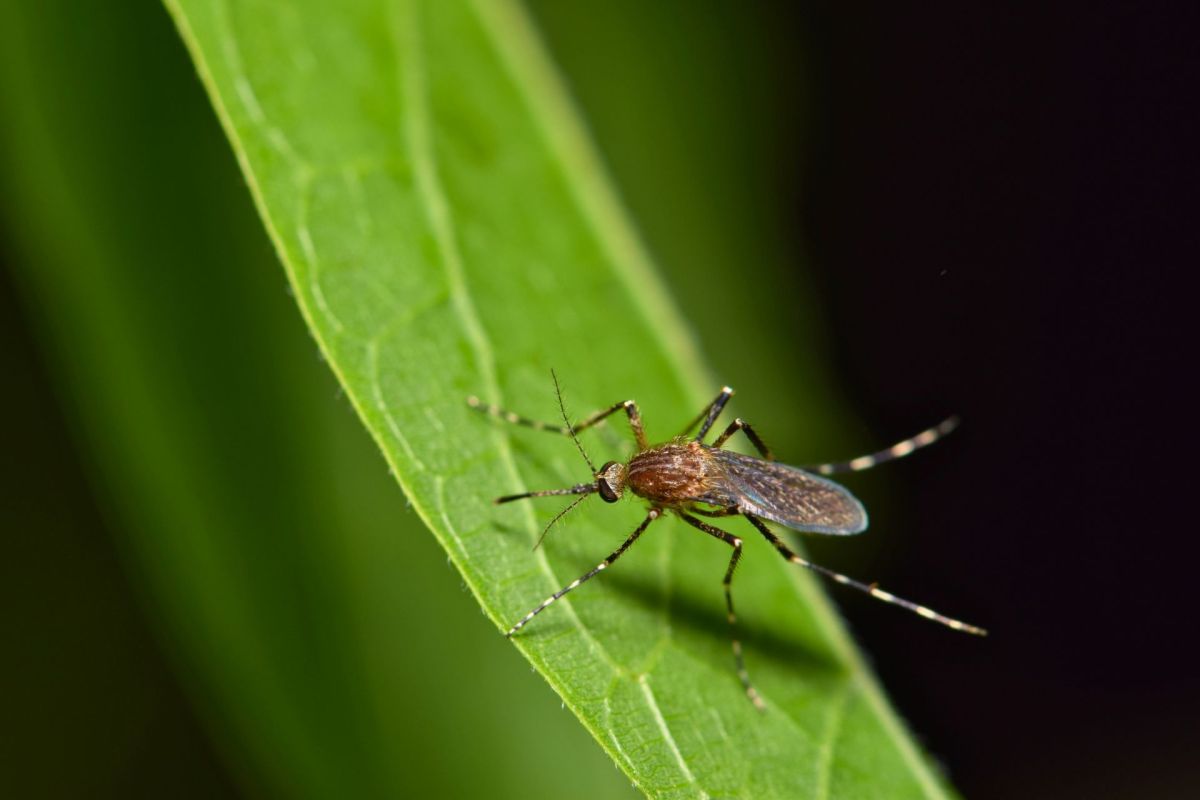
What sounds like a supervillain's evil plan may actually be helping to reduce bug bites in the DC area this summer.
Instead of relying only on broad spraying, a company is releasing hundreds of thousands of mosquitoes that never bite people across parts of Maryland and DC.
What's happening?
According to FOX 5 DC, the plan calls for releasing about 600,000 male mosquitoes in and around Bethesda, Silver Spring, Takoma Park, and DC to reduce local mosquito numbers without blanket pesticide use.
The effort is being run by Silver Spring-based Bee Safe Mosquito Control, which is working with homeowners directly rather than through local governments.
At the moment, the company serves 25 homes, and each property gets about 1,500 male mosquitoes every week over the summer, per FOX 5 DC.
The effort is projected to help matters because males are not the mosquitoes that bite humans; females are.
TCD Picks » Quince Spotlight
💡These best-sellers from Quince deliver affordable, sustainable luxury for all




The males being released also carry a harmless bacterium that prevents successful breeding. After mating with local females, they leave behind eggs that never hatch, which helps cut down the next generation of biting mosquitoes, per FOX 5 DC.
With repeated releases over time, the company hopes to drive down the number of nuisance mosquitoes in treated areas.
The method differs from traditional spraying, which generally relies on chemical pesticides and may need to be repeated over larger areas.
It is also a more specialized process. Because the mosquitoes have to be raised in controlled conditions and sorted by sex before release, the technique is more complex than standard backyard mosquito treatments.
Why does it matter?
The most immediate benefit is fewer mosquito bites.
Mosquitoes are more than just a summertime nuisance. Some species can spread disease, so reducing their numbers can help lower that risk while also making outdoor spaces more comfortable and usable.
The program also reflects a broader shift in how some communities and companies are approaching pest control. Rather than depending entirely on blanket chemical spraying, some are turning to targeted biological methods designed to interrupt the mosquito life cycle at the reproduction stage.
Homeowners are increasingly being offered alternatives that promise greater precision, even if they are not yet inexpensive or widely available.
The approach may still be limited for now, especially since Bee Safe serves a relatively small number of homes. Still, it reflects growing interest in mosquito-control methods that balance comfort, safety, and environmental concerns.

Get TCD's free newsletters for easy tips, smart advice, and a chance to earn $5,000 toward home upgrades. To see more stories like this one, change your Google preferences here.






