


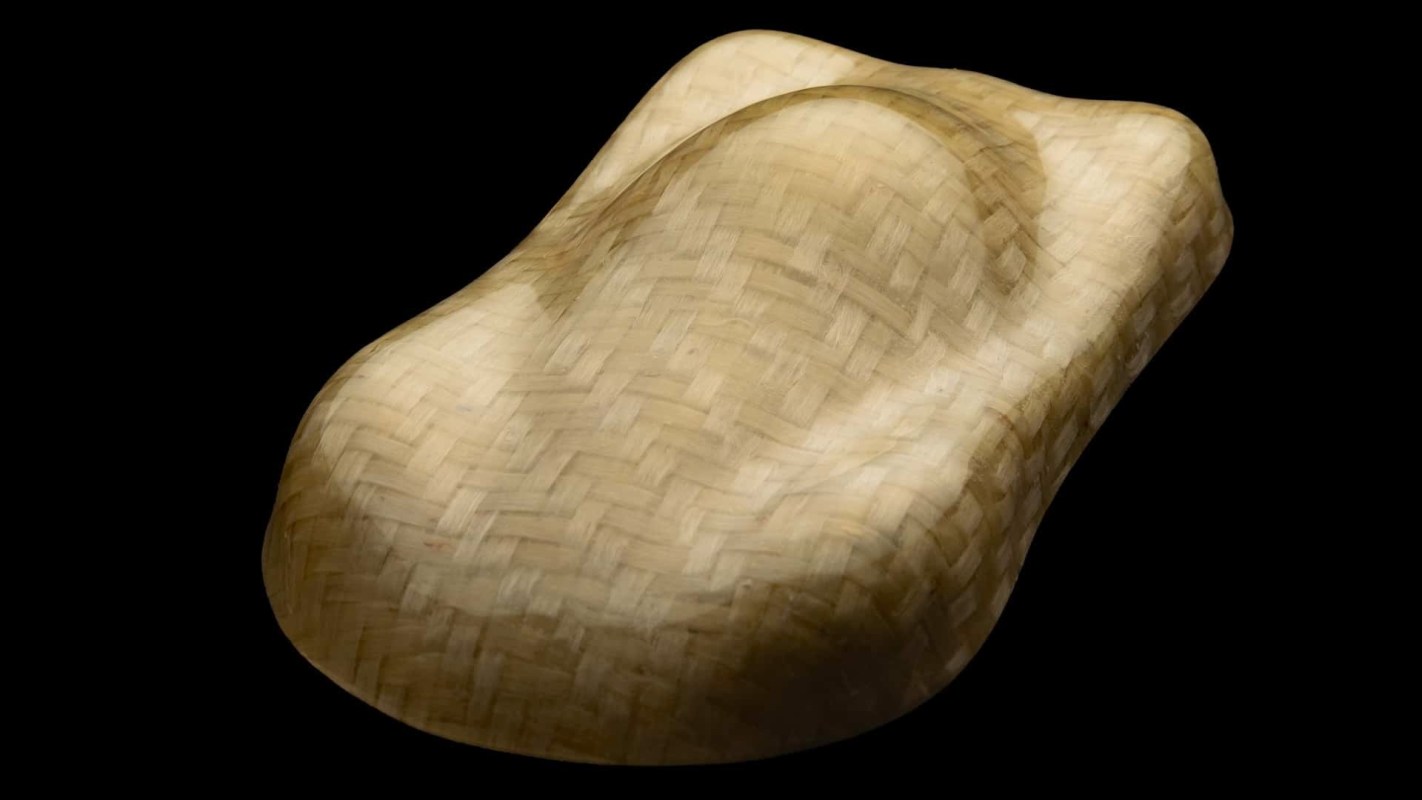
Natural-fiber composites can be expensive and hard to source in motorsports, but Nissan and a Japanese materials company are working together to turn discarded pineapple leaves into high-performance car parts.
Here's what to know
Nissan's collaboration with Food Reborn Co. Ltd. produced exterior panels that combine pineapple-leaf fiber with resin to create a natural fiber-reinforced plastic, Nissan announced in a press release on November 17.
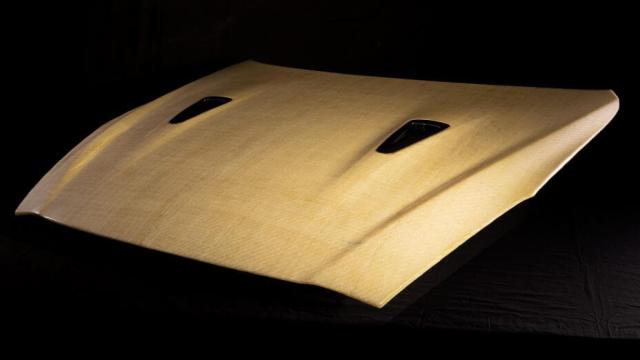
"We have developed a new fiber-reinforced composite material that utilizes pineapple leaves, a byproduct usually unutilized and discarded. This sustainable and composite material also delivers the high level of performance required for demanding environments such as motorsports," said Tatsuzo Tomita, Nissan's corporate executive responsible for technology development.
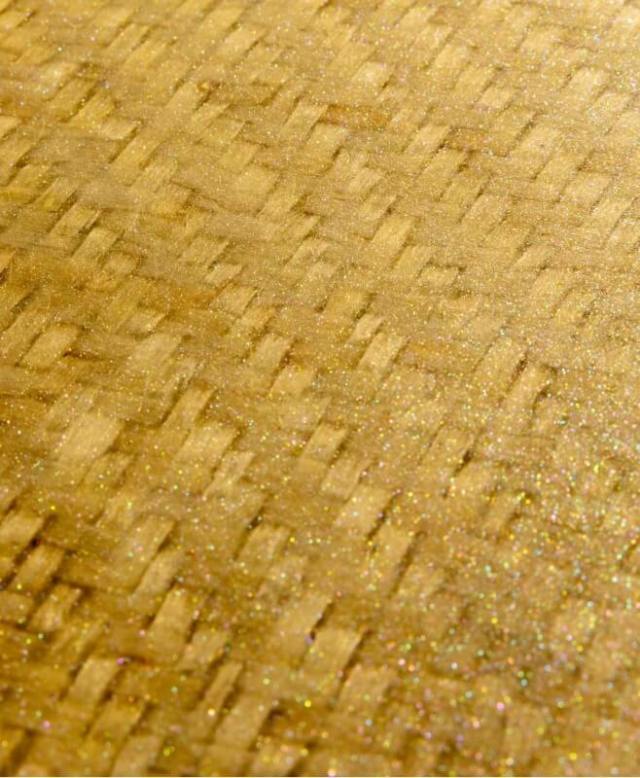
To make the panels, workers extract fibers from the leaves, turn them into flat yarn, and weave that yarn into fabric.
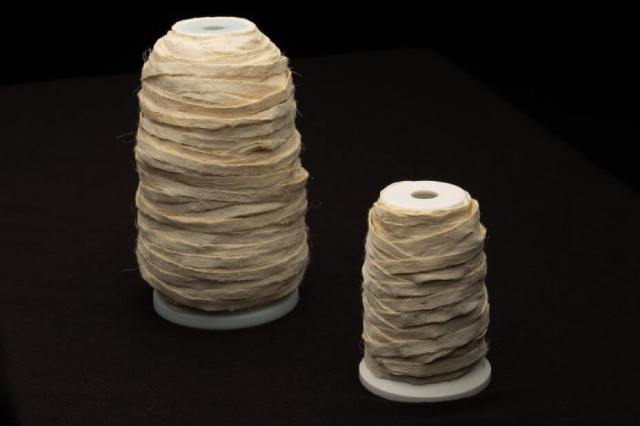
The fabric reinforces the composite, which is then molded into a body panel.
The finished material's tensile strength exceeds that of traditional flax-based natural-fiber composites, Nissan says.
TCD Picks » Quince Spotlight
💡These best-sellers from Quince deliver affordable, sustainable luxury for all




More background
Car components made from pineapple leaves can draw on a substantial material supply without diverting pineapples from food production. Farmers discard more than 50 million tons of the leaves worldwide each year, Nissan reported, citing data published by the Food and Agriculture Organization of the United Nations.
Some racing series featuring stock production cars require sustainable natural fiber-reinforced plastics when exterior body panels are modified. But natural fiber-reinforced plastic has long been expensive and limited in supply.
BMW uses flax-based composites in its M Concept Neue Klasse, a design study previewing its first all-electric M car, as well as in motorsports.
What's being done?
Nissan is granting Food Reborn a license for its natural fiber-reinforced plastic technology. The agreement covers the production of flat yarn, woven fabric, and resin-impregnated material known as prepreg, all key steps in turning loose plant fibers into usable composite components.
Based in Okinawa, Food Reborn focuses on biodegradable materials and has experience processing pineapple-leaf fibers. The partnership brings that expertise together with Nissan's composite development knowledge.
The project forms part of Nissan's efforts to meet its Green Program 2030 sustainability targets. To showcase the material, the companies will share a booth featuring an exhibition hood at the 2026 edition of the SAMPE Japan Advanced Materials Technology Exhibition at Tokyo Big Sight's East Hall.
For Food Reborn representative director and CEO Etsuko Uda, the potential uses extend beyond cars. "Transforming agricultural byproducts like pineapple leaves into high-performance materials for automotive and sporting goods is highly significant," Uda said. "Driven by deep conviction, we remain dedicated to unlocking new possibilities."

Get TCD's free newsletters for easy tips, smart advice, and a chance to earn $5,000 toward home upgrades. To see more stories like this one, change your Google preferences here.






