


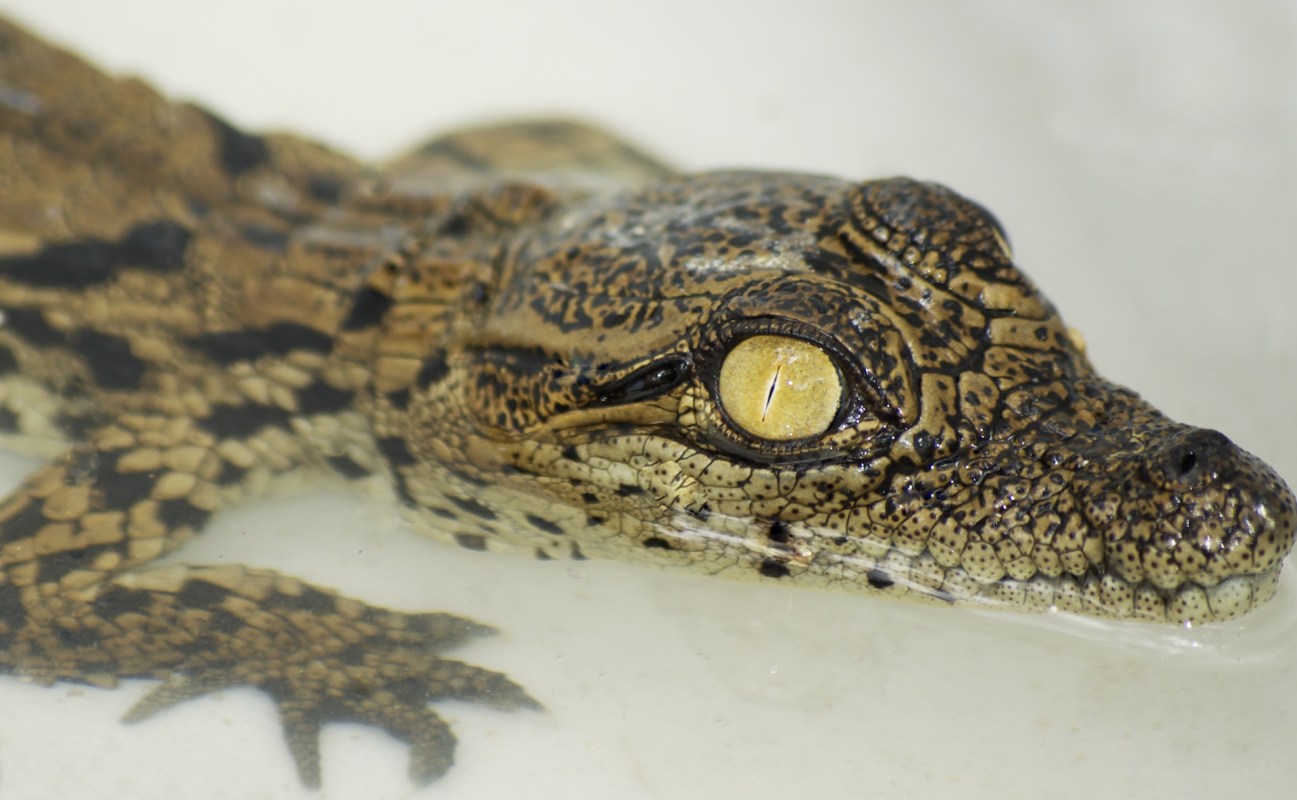
A bout of intense heat in Europe caused 10 Nile crocodiles to hatch without human assistance for the first time at a reptile park in southeastern France.
Here's what to know
The milestone happened at La Ferme aux Crocodiles in Pierrelatte, where visitors noticed the crocs emerging and alerted staff, Agence France-Presse reported via Phys.org. Reserve director Samuel Martin said the hatchlings developed fully under natural conditions, making it a first for the site.
Captive breeding programs usually place Nile crocodile eggs in incubators to regulate temperature and humidity. In the wild, by contrast, eggs normally develop in underground nests warmed by the surrounding environment.
Because temperatures in France rose high enough, the park — which AFP described as Europe's biggest reptile-focused wildlife park — did not need to step in.
"For the first time, we had an incubation that took place entirely under natural conditions," Samuel Martin, director of the reserve, told the outlet.
More background
Extreme heat is one of the clearest and most dangerous consequences of the warming planet. Heat waves can threaten human health, worsen dehydration and heat stroke, strain hospitals, damage crops, disrupt outdoor work, and drive up energy costs as homes and businesses rely more heavily on cooling.
TCD Picks » Quince Spotlight
💡These best-sellers from Quince deliver affordable, sustainable luxury for all




Hotter, drier conditions can fuel wildfires, reduce water supplies, and strain power grids and transportation systems.
What's being done?
Wildlife parks and zoos rely on close monitoring to protect animals during periods of heat stress, and events such as this could push facilities to rethink how they manage breeding, nesting, and temperature-sensitive habitats.
Adapting to hotter conditions while addressing the pollution driving rising temperatures is key. That can include heat action plans, cooling centers, improved building design, expanded urban shade, and emergency alerts during dangerous weather.
Where can I learn more?
Unusual weather and changing habitats are reshaping life for reptiles and other animals. These articles offer a wider look at how wildlife are responding to environmental pressure across the globe.
• In Cambodia, conservationists celebrated landmark births of Siamese crocodiles that signaled an apex predator's return.
• In Florida, urban American crocodile patterns raised new concerns about neighborhoods and coexistence.
• Across Africa, climate-threatened migration routes showed how shifting weather can unsettle wildlife.
• In Australia's Daly River region, catastrophic flooding threats forced evacuations alongside crocodile warnings.

Get TCD's free newsletters for easy tips, smart advice, and a chance to earn $5,000 toward home upgrades. To see more stories like this one, change your Google preferences here.






