


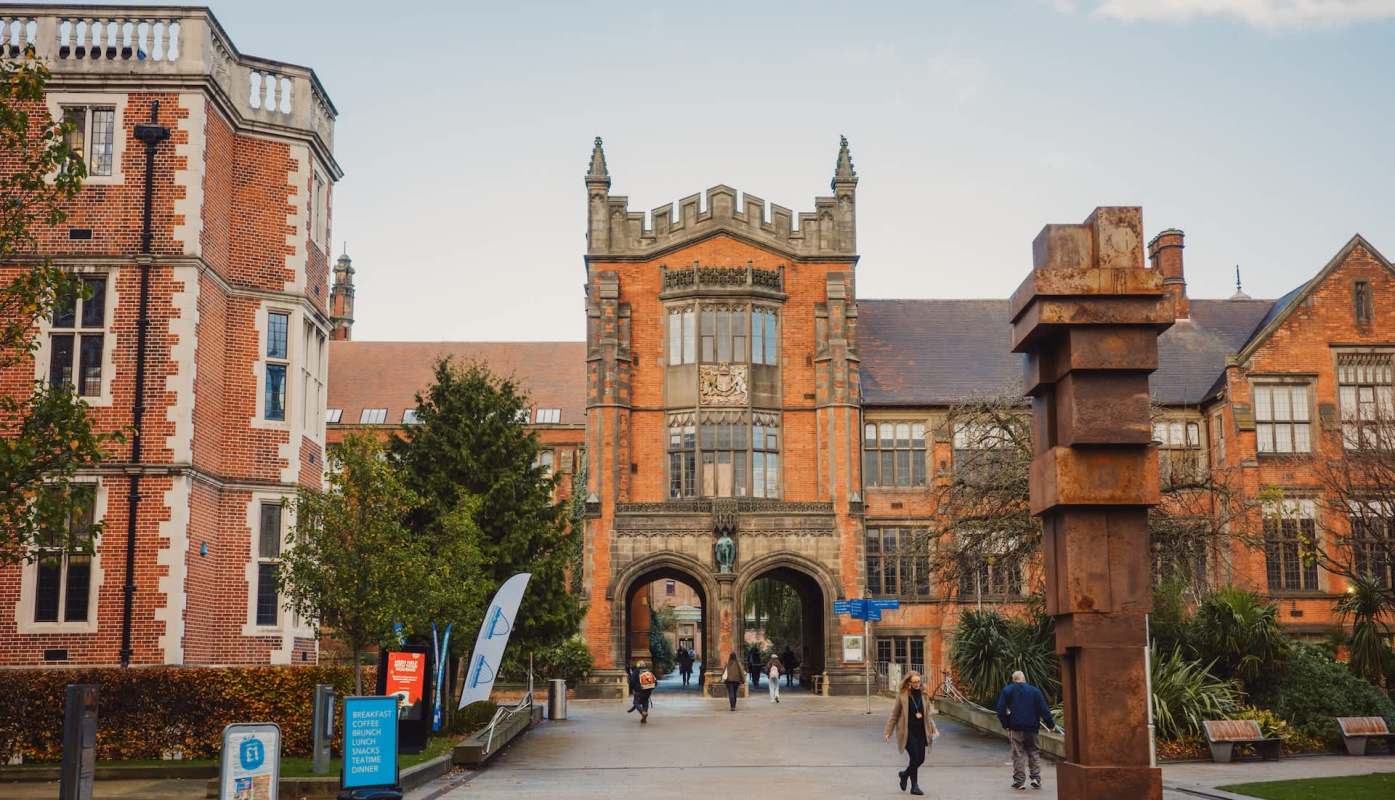
Researchers at Newcastle University in the United Kingdom have grown a fungi-based building material inside knitted molds, using it to construct a freestanding dome.
The experiment offers a glimpse of how fungi could help reduce waste in construction, though the material is not yet a replacement for conventional concrete.
Here's what to know
Mycelium — the rootlike network that mushrooms and other fungi form — provides the basis for the building material MycoCrete. Content creator Justin Pack discusses the research in a YouTube video, explaining how it could revolutionize the construction industry.
Two potential advantages for construction emerged in comparisons with earlier mycelium experiments: MycoCrete was stronger and shrank less. Knitted molds gave researchers a low-waste way to grow complex shapes.
More background
The video links concrete's environmental impact both to the extraction of raw materials, including sand and gravel, and to the production of cement. Cement serves as concrete's binding agent and contributes roughly 8% of worldwide carbon dioxide emissions, according to Pack.
Cement-making generates carbon dioxide through its chemistry, in addition to the pollution released by burning fuel to supply heat. Pack explains that manufacturing cement involves heating limestone to more than 2,600 degrees Fahrenheit.
TCD Picks » Quince Spotlight
💡These best-sellers from Quince deliver affordable, sustainable luxury for all




Sand extraction presents another set of concerns. According to Pack, annual sand consumption totals roughly 50 billion tons, with removal outpacing natural replenishment. Sand mining can weaken natural storm defenses, damage habitats, and erode land.
What's being done?
The Newcastle researchers are exploring uses for MycoCrete in lightweight construction rather than presenting it as a ready replacement for concrete. "Researchers say it could replace some foam, timber, and plastic in lightweight construction with hopes of scaling up to major construction in the future," Pack explains.
"Can't help but notice you didn't say it could replace concrete. Should have talked about the effects of making foam, no?" one commenter wrote.
While the video describes concrete's environmental footprint, it does not provide equivalent figures for the foam, timber, or plastic that MycoCrete might replace.
Another viewer welcomed the continued attention to fungi-based materials. "Wow, this is awesome! I actually just recently wrote a paper on Mycelium-Based Composites, and I love how this idea is still being researched and given at least some attention," they wrote.
Where can I learn more?
Fungi-based materials are one way researchers are rethinking construction. These stories cover hempcrete walls, 3D-printed housing, and biochar concrete.
• A Massachusetts homeowner filled backyard ADU walls with hempcrete as part of a state-backed project.
• A California panel heard a pitch for 3D-printed transitional housing following a motel lease push.
• Moss-coated concrete could cool cities and help clean the air while turning buildings green.
• An MIT spinout says its waterless plastic recycling process is turning bottles into building materials.
• Researchers in India say poop-based biochar made concrete up to 42% stronger in their experiments.

Get TCD's free newsletters for easy tips, smart advice, and a chance to earn $5,000 toward home upgrades. To see more stories like this one, change your Google preferences here.






