


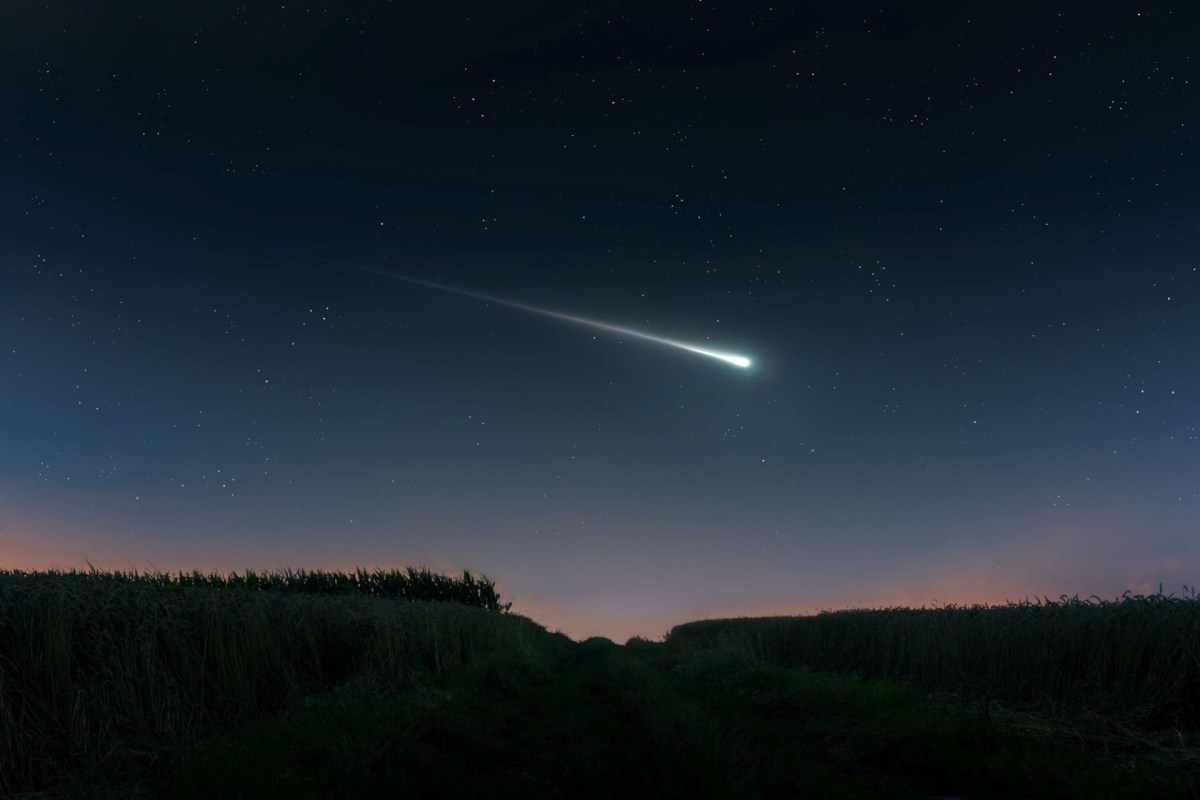
Within days of each other, two suspected meteors illuminated New Zealand's skies, creating a rare nighttime display and, in some areas, a shockwave strong enough to unsettle animals and leave residents trying to figure out what they had just witnessed.
What happened?
According to the Guardian, the first fireball was seen over the South Island on one evening in late July while another appeared over parts of the North Island just a few days later.
A bright flash over the North Island was caught by dashcams, security cameras, and meteor-recording equipment, and many witnesses said it was followed by a loud boom.
Witnesses, as reported by the Guardian, shared their reactions under videos of the flashes online.
"Absolutely insane. I thought it was a plane on fire," one commentator said. Another said: "It was huge, the ball was orange with a purple tail. We saw black soot coming off it."
Others, as reported by the Guardian, noted how the noise impacted animals. One person recalled "a loud low rumble" that disturbed birds nearby, while the outlet reported another that said their "cows went nuts."
TCD Picks » Quince Spotlight
💡These best-sellers from Quince deliver affordable, sustainable luxury for all




Steve Wyn-Harris, the director of Fireballs Aotearoa, said he was in his spa in Hawke's Bay when the sky abruptly brightened.
"I saw a big flash in the sky and thought, 'No, that can't be a fireball — this would be too good to be true'," he told the Guardian.
Why does it matter?
Meteor sightings often last only seconds, but they can sometimes leave meteorites on the ground — valuable pieces of space rock that help scientists better understand the solar system and Earth's place within it.
The North Island sighting could be especially significant because multiple people reported hearing a sonic boom. Wyn-Harris said that suggests the object came relatively close to the ground.
Even when they do not pose a major threat, loud booms, flashes of light, and unusual animal behavior can alarm communities, especially when the cause is not immediately clear.
Confirmed meteorite recoveries are also scarce in New Zealand: Only 10 have been recorded there over roughly the last 150 years, although many more likely fell without being found, the Guardian noted.
Fireballs Aotearoa has asked people in the lower North Island to watch for debris from Tuesday's suspected meteor and to contact the group if they find a possible meteorite.
For anyone searching, as the Guardian reported, Wyn-Harris offered a simple clue: "Look out for a black stone that wouldn't ordinarily be there."
Finding meteorites has historically been difficult in New Zealand because of the country's rugged terrain, relatively small population, and limited ability to quickly pinpoint landing zones. But that is beginning to change.
That effort may get easier. The Guardian noted that Fireballs Aotearoa has a network of 200 cameras around the country, and the rise of home security systems and dashcams is adding even more useful footage. That growing network could make it easier to trace future fireballs, recover meteorites, and turn brief sky events into scientific discoveries.

Get TCD's free newsletters for easy tips, smart advice, and a chance to earn $5,000 toward home upgrades. To see more stories like this one, change your Google preferences here.






