


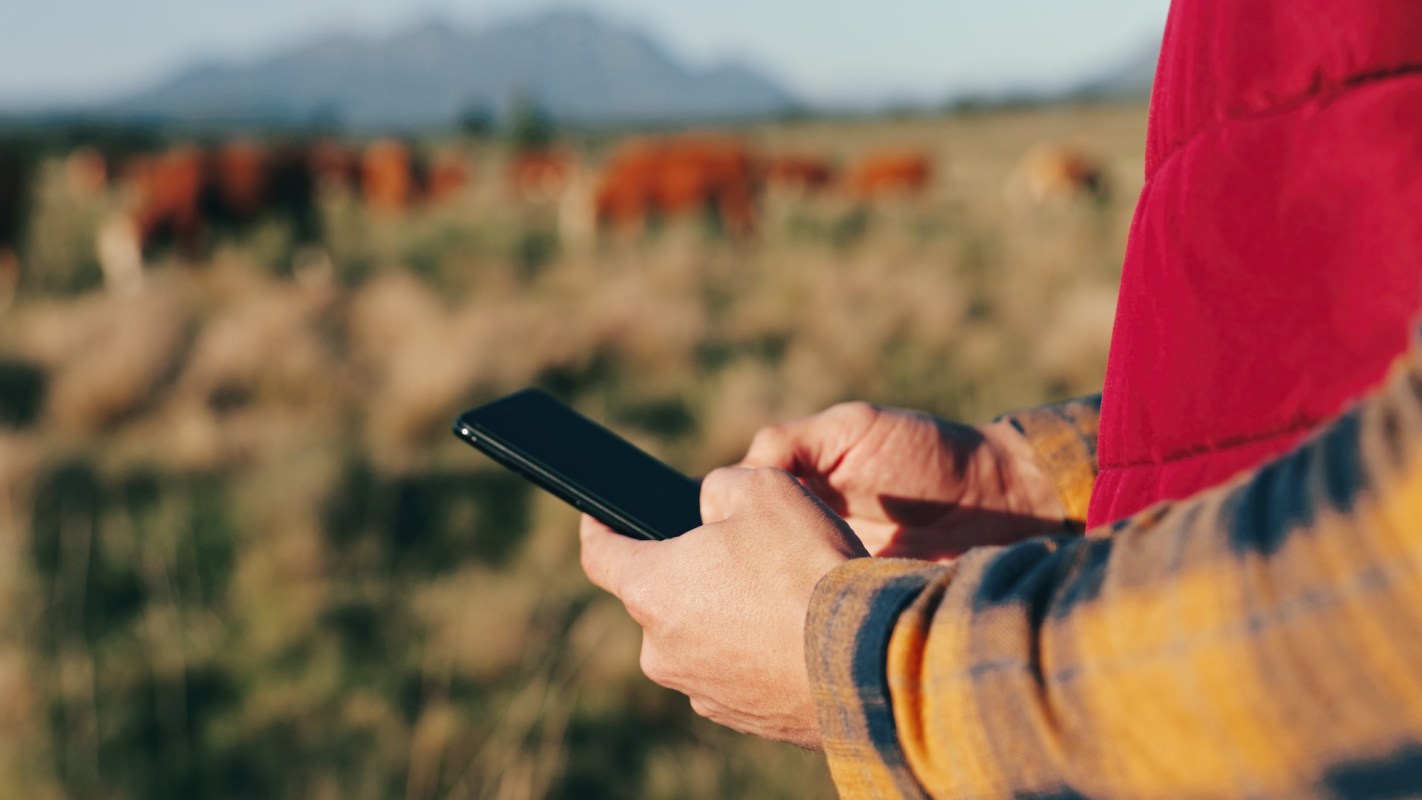
After the 3G shutdown, farmers in New Zealand say mobile service on many properties has worsened enough to become a safety issue.
A Federated Farmers Rural Connectivity survey suggests that on some rural properties, large areas no longer allow a reliable connection to emergency services.
Here's what to know
In findings cited by 1News, Federated Farmers surveyed nearly 650 farmers in late August and early September. The survey found that since 3G was switched off in March, half of farms have mobile coverage on less than half of their land.
Federated Farmers telecommunications spokesperson Mark Hooper said rural users were already dealing with unreliable coverage before 3G was turned off. "A third of farmers told us they have a place on their farm that previously worked on 3G but no longer does," Hooper said, per 1News. "For most, these holes in service aren't just on one part of the farm."
For remote farms, the problem is especially serious because people often work alone. Hooper said patchy or nonexistent service creates "obvious risks when there's an accident or emergency, especially when people are working alone." He added that almost two-thirds of farmers said 111 wasn't reliably reachable across most of their land, while 8% said emergency services could not be contacted from anywhere on the property.
More background
The change has also affected farm equipment that relied on 3G. According to 1News, Hooper said some farmers have spent thousands replacing irrigation and pivot controls, cow collars, and other systems used in everyday operations.
TCD Picks » Quince Spotlight
💡These best-sellers from Quince deliver affordable, sustainable luxury for all




Workarounds have brought extra costs too. The survey found that two in three farmers had already paid for alternatives such as satellite broadband, but only 15% of respondents said satellite-to-mobile was an adequate substitute for a traditional cell tower.
Many farmers say raising the issue has not produced results. Only two of the 126 farms that reported coverage or reliability problems said those issues were fixed. Hooper said that outcome was "very frustrating and indicates their concerns aren't being taken seriously."
The survey also captured some of the most severe cases. More than 40 farmers said no part of their property allowed them to reliably reach 111, and one farmer said they had failed a WorkSafe audit because poor coverage prevented them from checking on staff every two hours.
What's being done?
Federated Farmers is pushing for short-term improvements from telecom providers. According to 1News, it is holding urgent meetings with telecommunications companies to identify improvements through existing infrastructure or investments already in the pipeline. Hooper said the group wants practical fixes rather than waiting for newer technology.
He acknowledged that providers may be hesitant to invest heavily in what he described as "old technology," particularly with satellite calling and related services on the horizon. "But we're also interested in the here and now, and what fine-tuning of existing infrastructure might be possible," Hooper said.
On Breakfast, NZ Telecommunications Forum chief executive Paul Brislen said carriers had done "a huge amount of work with the rural community in the lead-up to the 3G shutdown to make sure they were ready." He said customers should be able to access 4G wherever they previously had 3G and added that being unable to reach 111 "shouldn't be happening at all."
Brislen said affected farmers should report problems to their providers so they can investigate specific trouble spots. He also pointed to the Rural Connectivity Group, saying it has built more than 600 towers with government support to expand service in remote communities, tourism hotspots, and along rural roads.
Hooper said: "At the very least, surely we can get more farmers hooked back up to the service standards they had with 3G."
Where can I learn more?
These stories look at how service changes and other pressures are forcing farmers and phone users to adapt.
• Families relying on older phones say the 2G and 3G shutdown threatens basic service.
• U.S. growers warn pending tariff changes could raise costs and push farms under.
• In Maine, farmers are warning that PFAS contamination from sludge is reaching crops.

Get TCD's free newsletters for easy tips, smart advice, and a chance to earn $5,000 toward home upgrades. To see more stories like this one, change your Google preferences here.






