


New York City is rolling out new public "robotoilets" in an effort to tackle the long-running problem of finding a clean restroom when you're out and about.
The technology, however, has sparked concern because each visit is capped at 10 minutes before the door opens. Critics argue that timing something as basic as using a public bathroom could introduce privacy issues rather than fix the access problem.
Here's what to know
In September, the first two automated restrooms made by Throne Labs started service as part of a $4 million pilot program, as reported by Dexerto. The city plans to install 17 of the units across all five boroughs.
Because they don't need connections to the city's sewer or water lines, the touch-free units can be set up more easily than standard public bathrooms. People can get in either by texting the number displayed outside or by using a tap card handed out through community organizations.
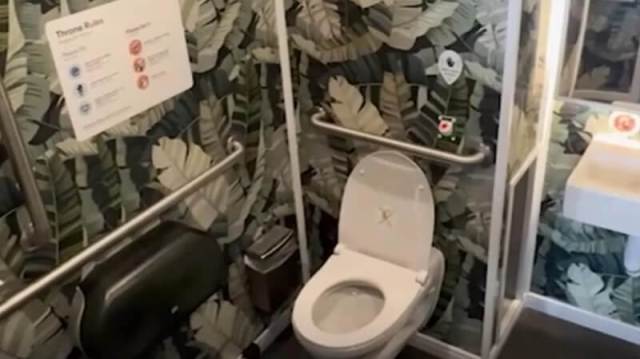
The biggest point of dispute is the time limit system that begins during use. According to Gothamist, a speaker issues a warning as a person approaches the 10-minute mark. After that, an automated voice says, "Attention: Your use time has expired. The door is opening now."
Should someone stay inside after the door opens, Throne Labs staff receives an alert and may respond in person. If the occupant still doesn't leave, workers can also call the police.
TCD Picks » Quince Spotlight
💡These best-sellers from Quince deliver affordable, sustainable luxury for all




After the Dexerto article covering these robotoilets was shared to Reddit's r/Technology community, commenters largely responded with disgust.
"If they even have an 'auto-opening door' function, why would I trust them?" the top comment read.
"I wonder if this would be an ADA issue. There's several disabilities that could cause someone to need to spend more than 10 minutes in a bathroom," another user wrote.
Access to public bathrooms is a core piece of city infrastructure because it affects dignity, health, street cleanliness, and people's ability to use public spaces. When that infrastructure is neglected, however, people without reliable private options usually feel the consequences most.
While a door that opens automatically after 10 minutes could increase turnover and let more people use the facilities, it may also create difficulties for users managing a medical condition, caregiving responsibilities, a disability, menstruation, or simply a hard moment in an already stressful day.
Advocates for unhoused people have also said that depending on a smartphone or a physical access card may shut out some of the same people the bathrooms are intended to help.
Where can I learn more?
New York City's robotoilets are part of a wider debate over how much technology belongs in the bathroom.
• In Wisconsin, schools installed smart sensors inside bathrooms, igniting a student privacy debate.
• In a mall restroom, advertisements embedded in mirrors left visitors angry and uneasy.
• At a gas station, a bathroom ad display stunned drivers already seeking relief.

Get TCD's free newsletters for easy tips, smart advice, and a chance to earn $5,000 toward home upgrades. To see more stories like this one, change your Google preferences here.






